
TL;DR
Ideal Home’s air-quality tester recommends five products for managing damp-season moisture: a dehumidifier, mould spray, window vacuum, moisture absorbers and a hygrometer. The article presents them as practical measures, not a substitute for fixing an underlying damp problem.
Ideal Home has published a tester’s five-product list for managing excess indoor moisture during autumn and winter, when colder weather, wet conditions and indoor laundry can contribute to condensation. The recommendations include a dehumidifier, mould spray, window vacuum, moisture absorbers and a hygrometer; the tester cautions that some products manage symptoms rather than address the underlying cause of damp.

Get home appliances delivered free with Prime
- Fast, free delivery on millions of items
- Prime Video, Amazon Music and more included
- Member-only deals all year
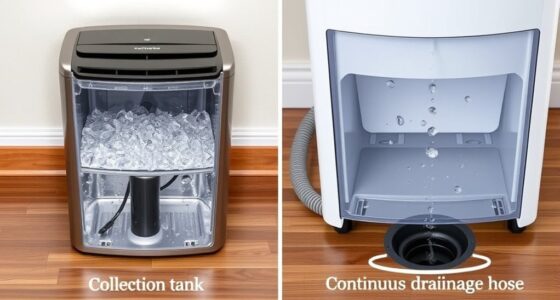
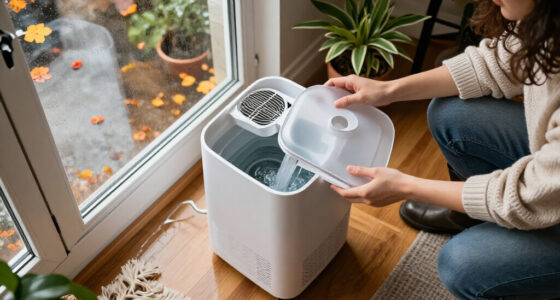
The writer, who regularly tests dehumidifiers and other air-quality products, says she keeps the items on hand in her Victorian home with single-glazed windows. Her central recommendation is a full-sized dehumidifier for rooms with higher humidity or laundry drying indoors. She names the Meaco Arete range as an example, while noting that smaller models can help with localised areas such as a small bathroom or a window but are not powerful enough for a larger damp room.
For visible mould, the writer keeps HG mould remover spray for small spots around windows and in the shower. She says early treatment is preferable to allowing a patch to spread, but stresses that repeated cleaning does not solve damp caused by an unresolved source. A window vacuum is offered as a way to remove condensation from glass and limit water left on frames and sills. It does not stop condensation from forming.
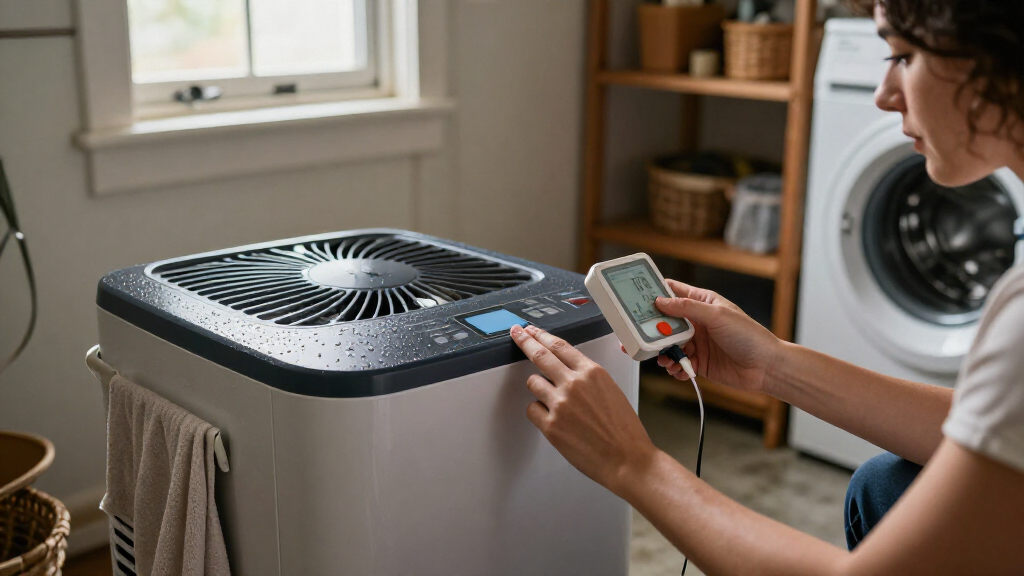
The final two recommendations are moisture absorbers and a hygrometer. The writer uses tubs on windowsills or in cupboards and hanging bags in wardrobes; silica gel sachets can suit small enclosed storage spaces. A hygrometer measures humidity, giving residents a way to monitor indoor conditions. The source lists examples and prices for some products, but its recommendations are based on the writer’s experience rather than a reported comparative trial of all five categories.
Five Tools, Different Moisture Problems
The list separates whole-room moisture control from smaller tasks. A full-sized dehumidifier is aimed at higher humidity or indoor laundry, while absorbers are presented for enclosed spaces where an electrical appliance may not be practical. A window vacuum deals with water already on glass; mould spray treats visible patches; and a hygrometer helps track humidity.
That distinction matters because damp and mould can have different causes and scales. The article does not suggest that a spray or absorber can resolve a persistent leak, building defect or other underlying source. Its own caveat is that treating mould repeatedly is not a fix if the moisture problem remains. Readers with persistent damp may need to identify and address its cause rather than rely only on household products.
Products Worth Considering

Ring Battery Doorbell 2K Plus, Indoor Cam 2K, and Window & Door Sensor Bundle

eufy C28 Robot Vacuum and Mop with 15,000 Pa Suction

DREAME D20 Air Plus Robot Vacuum and Mop with Auto-Empty Dock
As an affiliate, we earn on qualifying purchases.
Why Autumn Raises Damp Risks
The report links seasonal conditions with increased moisture indoors: colder windows, wet weather and laundry drying inside. Its writer says she is particularly alert to damp in an older home with single-glazed windows. These details explain why the recommendations combine equipment for extracting moisture with tools for dealing with condensation and small mould patches.
Ideal Home also distinguishes between larger and smaller dehumidifiers. The article describes compact units, including one with a detachable wand, as useful for awkward or localised spots, but says they should not be relied on to tackle a bigger damp room. It names the Meaco Arete One and Pro Breeze 20L Premium as examples from its dehumidifier coverage, and identifies Dryzone as a compact budget option; these product references do not establish that one model suits every home.
““I couldn’t live without my window vacuum.””
— Lauren Bradbury, Ideal Home cleaning editor
Limits of the Product Advice
The source does not provide a publication date, test measurements for the five product categories, or a single humidity threshold at which readers should operate a dehumidifier. Prices and availability may change, and the article’s product examples are not a guarantee of performance in every home. It also does not diagnose the cause of any particular reader’s damp or mould.
The writer says that mould spray will not resolve an underlying moisture source, but the report does not set out how to identify or repair different causes. Persistent or spreading damp remains a separate problem from condensation on glass or a small surface patch, and the appropriate remedy depends on what is causing it.
Monitor Moisture and Check the Cause
The article gives no scheduled follow-up or announced testing milestone. Its practical next step for readers is to use a hygrometer to monitor indoor humidity, remove condensation from glass and choose moisture-control equipment suited to the size and location of the problem. If mould returns after cleaning or damp persists, the writer’s caveat points to addressing the source rather than continuing to treat the visible symptoms.
Key Questions
What five products does the tester recommend?
A dehumidifier, mould remover spray, window vacuum, moisture absorbers and a hygrometer. The article assigns them different roles, from reducing room moisture to removing condensation and monitoring humidity.
Can a small dehumidifier handle a damp room?
The writer says compact models can help with small, localised areas, such as a small bathroom or a window, but are not as powerful as full-sized units and should not be relied on for a larger damp room.
Does a window vacuum prevent condensation?
No. It removes water from glass after condensation forms, which can reduce water left on frames and sills. The report says it does not fix the cause of condensation.
Will mould spray solve a recurring damp problem?
Not by itself. The tester recommends dealing with small visible patches promptly, but says repeated mould treatment will not solve an underlying source of damp.
What are moisture absorbers used for?
The writer uses tubs in places such as cupboards and on windowsills, hanging bags in wardrobes, and silica gel sachets in smaller enclosed storage spaces. They are presented as practical options where plugging in a dehumidifier is not suitable.
Source: rss