TL;DR
A dehumidifier size calculator guides you to pick the right capacity based on room size, humidity, and conditions. Proper sizing prevents energy waste and moisture problems, making your space healthier and more efficient.
Ever tried running a dehumidifier and felt it just wasn’t doing enough—or worse, cycling constantly and wasting power? That’s because selecting the right size isn’t about guesswork. It’s about matching your space’s specific needs with the perfect capacity.
A well-calculated dehumidifier not only keeps moisture at bay but also slashes energy bills and prolongs the unit’s lifespan. This guide reveals how a simple tool—the dehumidifier size calculator—can make that process straightforward and precise. Ready to stop guessing and start controlling your air quality?
Always input accurate room size and humidity data for the best recommendation.
Oversized units cycle less but waste energy; undersized units don’t control moisture effectively.
Modern calculators are smarter, incorporating outdoor weather and insulation factors.
Matching capacity to your space prevents mold, reduces energy bills, and prolongs unit life.
When in doubt, choose a slightly larger capacity to handle moisture spikes, especially in humid climates.
What a dehumidifier size calculator actually does for you
A dehumidifier size calculator predicts the ideal capacity (measured in pints per day) for your space. It considers factors like room size, moisture sources, and climate to recommend a unit that’ll work efficiently without wasting power.
Imagine trying to squeeze a large towel into a small bottle. That’s what undersizing a dehumidifier feels like—moisture lingers, mold grows. Oversizing? It’s like using a firehose for a teacup—wasting energy and cycling on/off too often.
This calculator takes your room’s details—like square footage and humidity level—and crunches them into a capacity recommendation, ensuring you get a unit that’s just right.
20 pint dehumidifier for small room
As an affiliate, we earn on qualifying purchases.
As an affiliate, we earn on qualifying purchases.
Key factors your calculator considers to match capacity perfectly
Every room is unique—so is every moisture situation. The calculator looks at:
- Room size: Larger rooms need bigger units. For example, a 300 sq ft bedroom might need a 30 pint dehumidifier, while a 1000 sq ft basement calls for a 50 pint.
- Humidity levels: A damp basement with 80% humidity needs more capacity than a dry, well-ventilated living room at 50%.
- Moisture sources: Kitchens, bathrooms, laundry rooms generate more moisture, bumping up the needed capacity.
- Occupants and climate: More people, humid climates—like Florida—demand higher capacity units.
Understanding these factors is crucial because they directly influence the dehumidifier’s effectiveness. For instance, a room with high humidity from frequent cooking or bathing requires a higher capacity to prevent moisture buildup. Ignoring these nuances can lead to underperformance—your dehumidifier might run constantly without adequately controlling moisture—or overcapacity, which wastes energy and shortens the unit’s lifespan. Recognizing the tradeoff helps you choose a unit that balances efficiency with effectiveness, ensuring your space stays comfortable and mold-free without unnecessary energy consumption.
As an affiliate, we earn on qualifying purchases.
How recent tech makes sizing easier and smarter
New tools now connect with smart sensors and weather data, making size recommendations even more precise. Imagine your home’s humidity sensor feeding data to an app that instantly suggests whether you need a 30, 40, or 50 pint unit.
Enhanced algorithms factor in outdoor weather, insulation quality, and even seasonal changes—so your dehumidifier adapts to actual conditions, not just static room size.
Plus, user-friendly online calculators mean you don’t need to be an expert to get reliable suggestions—just input your data, and they do the math for you.
This technological advancement is significant because it allows for dynamic sizing. Instead of relying solely on static room measurements, these tools incorporate real-time data, leading to more accurate capacity recommendations. This reduces the risk of undersizing during humid seasons or oversizing in dry periods, optimizing energy use and maintaining consistent comfort year-round. Embracing these innovations means your dehumidifier can perform at its best, saving you money and hassle.
energy efficient dehumidifier with auto shut-off
As an affiliate, we earn on qualifying purchases.
As an affiliate, we earn on qualifying purchases.
Matching capacity to your space: what the numbers mean
Here’s a quick comparison to help you see what size fits what room:
| Room Size | Recommended Capacity | Example |
|---|---|---|
| Up to 300 sq ft | 30 pint | Small bedroom or home office |
| 300-500 sq ft | 40 pint | Large bedroom or small living room |
| Over 500 sq ft | 50 pint or more | Basements, large open areas |
This table simplifies your choice. If you’re unsure, leaning toward a slightly larger unit helps handle unexpected moisture spikes—like after a rainy week. Choosing a capacity that slightly exceeds your calculated need provides a buffer, ensuring the dehumidifier can handle sudden increases in humidity without constantly running at maximum capacity. This proactive approach prevents moisture from accumulating during unpredictable weather patterns, reducing the risk of mold and damage. It also extends the useful life of your unit by avoiding excessive cycling or overworking a smaller capacity model.
dehumidifier for high humidity areas
As an affiliate, we earn on qualifying purchases.
As an affiliate, we earn on qualifying purchases.
What happens if you choose the wrong size?
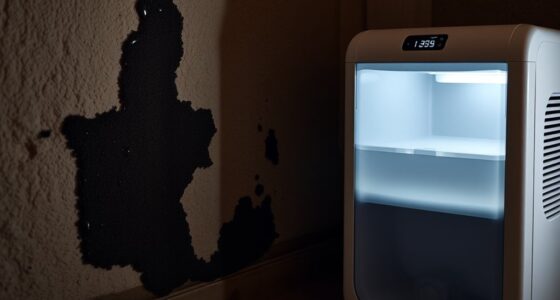
If your dehumidifier is too small, moisture won’t be controlled. Mold, musty smells, and damp walls become common. On the flip side, an oversized unit turns on and off too frequently, wasting energy and wearing out faster.
For example, a 30 pint unit in a 600 sq ft basement with 70% humidity will struggle, leading to persistent dampness. Conversely, using a 50 pint in a 200 sq ft laundry room might cycle unnecessarily, increasing your power bill.
The key is matching capacity to your environment for steady, efficient performance.
Choosing the wrong size can have significant consequences. An undersized unit may never fully dry the air, resulting in ongoing mold issues and potential health risks. It will also run constantly, increasing energy costs and wearing out prematurely. Conversely, an oversized dehumidifier wastes energy by frequently cycling on and off, which can lead to mechanical wear and higher electricity bills, without providing additional benefits. Proper sizing ensures the unit operates efficiently, maintains optimal humidity levels, and prolongs its lifespan. Recognizing these implications emphasizes the importance of careful selection based on accurate calculations and understanding your space’s demands.
Your action plan: how to use a dehumidifier size calculator step-by-step
- Gather your room’s square footage or cubic footage.
- Estimate current humidity and decide your target humidity (usually 30-50%).
- Input these details into the calculator—most are straightforward, just follow prompts.
- Review the recommended capacity and consider your moisture sources and climate.
- Select a model that matches or exceeds the calculator’s suggestion—preferably with a bit extra for safety.
For example, if your basement is 800 sq ft with 75% humidity, the calculator might recommend a 50 pint unit. Choosing a 50 or 60 pint model ensures you won’t struggle during humid months.
Following these steps ensures you make an informed choice that balances efficiency with effectiveness. It minimizes the risk of either under- or over-sizing, which can lead to persistent moisture issues or unnecessary energy consumption. Always remember to consider your specific environment—such as high moisture sources or seasonal variations—to fine-tune your selection. This methodical approach guarantees you get a dehumidifier that keeps your space comfortable, healthy, and cost-effective throughout the year.
Frequently Asked Questions
How do I know if my dehumidifier is the right size?
If your space stays consistently dry without cycling on and off too often, it’s a good fit. Signs of an undersized unit include persistent dampness or mold, while an oversized one cycles frequently and wastes energy.Can I use a larger dehumidifier than recommended?
Yes, but it’s not always ideal. Larger units can cycle less often, which is good, but they may also use more power and wear out faster. It’s best to match capacity closely or slightly above your needs.Are online calculators reliable?
Generally yes, especially when you provide accurate data. They incorporate multiple factors like room size, humidity, and climate to give a solid recommendation. For complex spaces, consulting a professional is still wise.What signs indicate my unit is too small or too large?
Persistent dampness, mold, or musty smells suggest undersizing. Frequent cycling, short lifespan, and high energy bills point to oversizing. Monitoring humidity levels helps fine-tune your choice.Does climate impact dehumidifier sizing?
Absolutely. Humid climates like Florida need units with higher capacity—50 pints or more—while drier regions might do well with smaller models. Always consider your local weather when sizing.Conclusion
The right-sized dehumidifier keeps your air comfortable, mold-free, and energy-efficient. Using a size calculator turns guessing into precision—saving you money and headaches.
Next time you shop, remember: a small detail like capacity makes all the difference. Don’t settle for a unit that’s too small or too big—your home’s air quality depends on it.
Dehumidifier Size Calculator
Estimate daily pint capacity from room size and how damp the space feels.
Your room likely starts in the 20 to 30 pint range. Compare compact dehumidifiers for smaller spaces.
See compact dehumidifier matchesYour room points to a 35 to 40 pint unit. Compare mid-size dehumidifiers and check drainage options.
See mid-size dehumidifier matchesYour conditions call for a 50 pint or larger unit. Compare larger dehumidifiers and confirm room moisture sources.
See larger dehumidifier matchesEstimate only. Check product specs, local rates, and site conditions before buying or planning around these numbers.