Outdoor air quality data provides broad, macro-level insights from government stations, while indoor sensors offer real-time, localized pollution information inside specific spaces. Since outdoor data is carefully calibrated and outdoor sensors can drift over time, combining both sources requires careful calibration and data alignment. By understanding these differences and integrating the data effectively, you can better assess overall air quality. Keep exploring to learn how to make the most of both data types for healthier environments.
Key Takeaways
- Outdoor data is highly calibrated and broad, while indoor sensors may drift and focus on localized air quality.
- Data update frequencies differ: outdoor stations update hourly, indoor sensors often provide real-time measurements.
- Proper calibration of indoor sensors is essential to ensure reliable, comparable data with outdoor standards.
- Integrating outdoor and indoor data requires aligning timeframes, filtering anomalies, and considering environmental factors.
- Accurate interpretation of differences helps improve indoor air quality management and overall environmental health.

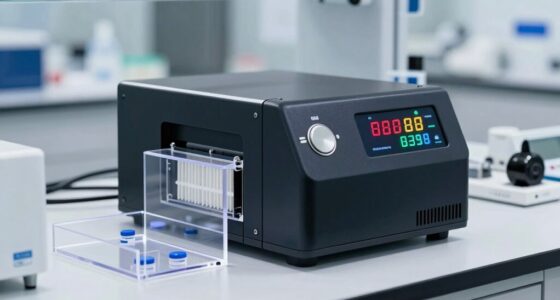
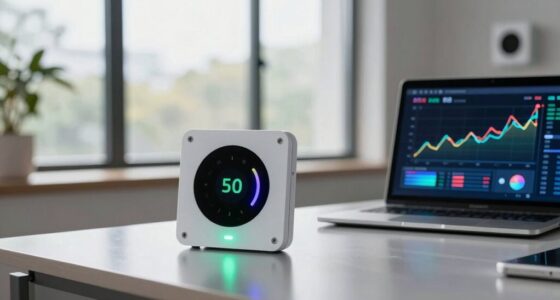
Understanding the differences between outdoor air quality data and indoor sensors is essential if you want to accurately assess the air you breathe. Outdoor air data typically comes from government monitoring stations or large-scale networks that gather information over broad areas. These stations are highly calibrated and maintained to guarantee accuracy, but they often don’t reflect the specific conditions inside your home or office. Indoor sensors, on the other hand, are designed to provide real-time, localized readings. They are usually smaller, more affordable, and can be installed directly in your living spaces to monitor pollutants like particulate matter, VOCs, or CO2 levels. While outdoor data offers a macro perspective, indoor sensors give you immediate, actionable insights into your environment.
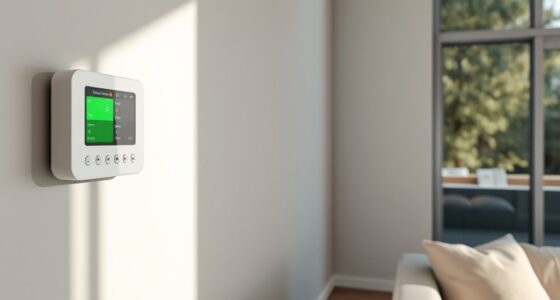
Indoor sensors provide real-time, localized air quality data that complements broader outdoor monitoring.
One key challenge in using outdoor air quality data alongside indoor sensors is guaranteeing that the data is comparable and reliable. This is where sensor calibration becomes crucial. Indoor sensors can drift over time, losing accuracy if they aren’t regularly calibrated to known standards. Proper sensor calibration ensures your indoor readings are precise and consistent, making them more meaningful when compared to outdoor data. Calibration may involve cross-referencing your sensor’s output with reference instruments or following manufacturer guidelines for periodic adjustments. Without proper calibration, you risk misinterpreting your data, either overestimating or underestimating air quality issues.
Another critical factor is data integration—merging outdoor air quality data with indoor sensor readings to get a complete picture. To make sense of these differing data sources, you need a systematic approach that considers the spatial and temporal differences. For instance, outdoor data might be updated hourly, while indoor sensors can provide minute-by-minute updates. Integrating this information involves aligning data points, filtering out anomalies, and contextualizing readings based on factors like weather conditions, ventilation patterns, or activities inside your space. This integrated approach allows you to identify trends, pinpoint sources of pollution, and take targeted actions to improve air quality.
Ultimately, understanding how to calibrate your indoor sensors and effectively integrate outdoor data empowers you to make informed decisions about your environment. It’s not enough to just have access to data; you need to guarantee its accuracy and relevance. By paying attention to sensor calibration and employing smart data integration techniques, you can bridge the gap between broad outdoor air quality trends and your immediate indoor environment, leading to healthier, safer spaces for you and your loved ones.
Frequently Asked Questions
How Do Seasonal Changes Affect Outdoor and Indoor Air Quality Readings?
Seasonal variations and temperature fluctuations substantially impact outdoor and indoor air quality readings. In colder months, you might notice higher pollution levels outdoors due to heating emissions and weather patterns that trap pollutants. Indoors, temperature changes can influence ventilation and air circulation, affecting sensor readings. During warmer seasons, outdoor air often improves, but indoor air quality can decline if ventilation is poor. Stay aware of these seasonal shifts to better interpret your sensor data.
What Are Common Calibration Issues With Indoor Air Sensors?
You might notice calibration issues with indoor air sensors due to sensor drift, which causes readings to become inaccurate over time. To maintain accuracy, you should calibrate your sensors regularly, as infrequent calibration increases the risk of drift impacting data quality. Ensuring proper calibration frequency helps keep indoor air quality readings reliable, allowing you to make informed decisions about ventilation and air purification effectively.
How Does Humidity Influence Sensor Accuracy Indoors?
Did you know that humidity effects can cause indoor sensors to drift by up to 20% in accuracy? Humidity influences sensor calibration by affecting how sensors detect particles and gases, often leading to erroneous readings. You should regularly check and adjust your sensors to account for humidity effects, ensuring accurate indoor air quality monitoring. Proper calibration helps maintain reliable data, especially in environments with fluctuating moisture levels.
Can Outdoor Pollution Levels Predict Indoor Air Quality Reliably?
Outdoor pollution levels can give you a rough idea of indoor air quality, but they’re not always reliable on their own. You need proper sensor placement indoors and data integration from both indoor and outdoor sensors to get an accurate picture. Factors like ventilation, building materials, and activities affect indoor air, so combining data sources helps you better predict indoor air quality and make informed decisions.
What Are Cost Differences Between Outdoor Air Monitors and Indoor Sensors?
You’ll find outdoor air monitors generally cost more than indoor sensors, often due to their advanced technology and broader coverage. The cost comparison shows indoor sensors are more affordable, making them accessible for personal or small-scale use. Sensor affordability varies by features, but indoor sensors tend to be budget-friendly, while outdoor monitors might require significant investment. Consider your needs and budget when choosing the right option for accurate air quality data.
Conclusion
As you navigate indoor spaces, remember that outdoor air data is like a distant forecast—useful but not always precise. Indoor sensors act like your personal weather station, capturing the air you breathe every moment. Think of your indoor environment as a garden, where even a gentle breeze can alter everything. By understanding both, you ensure your home’s air remains fresh and healthy, turning your space into a sanctuary amid the unpredictable outdoor landscape.