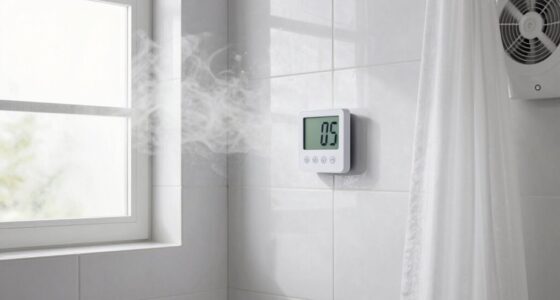
To turn IAQ data trends into action, start by selecting reliable data loggers with accurate sensors. Place them strategically at breathing zone height and set appropriate sampling intervals. Analyze the data regularly to identify patterns, spikes, or drops in pollutants, humidity, and temperature. Use these insights to target issues like poor ventilation or high humidity. Continuing will reveal how to interpret these trends effectively and make smarter choices for a healthier indoor environment.

Get home appliances delivered free with Prime
- Fast, free delivery on millions of items
- Prime Video, Amazon Music and more included
- Member-only deals all year
Key Takeaways
- Regularly analyze IAQ data trends to identify patterns, anomalies, and sources of indoor air quality issues.
- Use trend insights to implement targeted interventions like improved ventilation, filtration, or moisture control.
- Establish calibration and maintenance schedules to ensure data accuracy, enabling reliable decision-making.
- Set up alerts for significant changes in pollutant levels to prompt immediate actions and prevent health risks.
- Integrate data insights into long-term IAQ management plans for continuous improvement and healthier indoor environments.
As an affiliate, we earn on qualifying purchases.
Why Poor Indoor Air Quality Affects Your Health
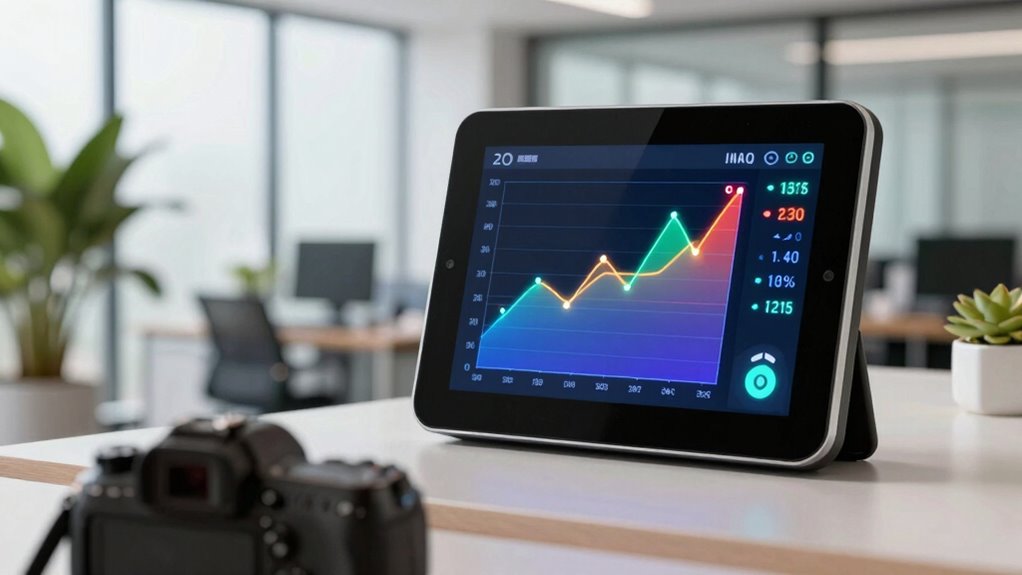
Poor indoor air quality can considerably impact your health, even if you don’t immediately notice it. Pollutant sources like dust, mold, chemicals, and smoke can accumulate indoors, leading to respiratory issues and allergies. Without proper ventilation solutions, these harmful particles linger, increasing your exposure over time. Poor air quality can cause headaches, fatigue, and worsen asthma or other respiratory conditions. When pollutant sources aren’t managed, indoor environments become breeding grounds for airborne irritants. Monitoring indoor air conditions helps identify these sources early, enabling you to improve ventilation and reduce health risks. Implementing air quality monitoring tools can provide real-time insights into pollutant levels, empowering you to take targeted actions. Addressing poor IAQ isn’t just about comfort—it’s about protecting your well-being and ensuring a healthier living space for yourself and your family. Incorporating natural ventilation strategies can further enhance indoor air quality by reducing pollutant buildup naturally. Additionally, understanding the role of ventilation is essential for designing effective solutions that improve airflow and reduce pollutant concentrations, especially in environments that support support breakfast amenities. For example, using air exchange rates can optimize airflow and minimize pollutant accumulation in various indoor settings.
As an affiliate, we earn on qualifying purchases.
How to Choose the Best Data Loggers for IAQ Monitoring

Choosing the right data logger is key to effectively monitoring indoor air quality and identifying pollution sources early. Look for models with reliable sensor calibration to guarantee accurate readings over time. Proper calibration prevents drift and maintains data integrity, which is vital for making informed decisions. Consider data storage capacity; some loggers store large amounts of data, reducing the need for frequent downloads and minimizing data gaps. Determine if the device offers easy access to stored data, whether via USB, SD card, or cloud integration. Also, check for features like real-time monitoring and alerts, which can help you respond quickly. By selecting a logger that balances sensor accuracy, ample data storage, and user-friendly features, you’ll set the foundation for effective IAQ management. Understanding content formats can also enhance your ability to interpret data and make actionable improvements. Additionally, choosing a device with proper maintenance ensures ongoing accuracy and reliability over its lifespan. Regular calibration and upkeep are essential components of a comprehensive traceability strategy to maintain data quality over time. Incorporating seasonal variations into your monitoring plan can further improve your insights and response strategies. Furthermore, understanding the impact of sensor calibration on long-term data accuracy helps ensure consistent monitoring results.
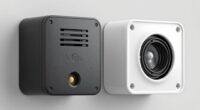
air quality sensor calibration device
As an affiliate, we earn on qualifying purchases.
As an affiliate, we earn on qualifying purchases.
Step-by-Step: Setting Up Your Indoor Air Quality Data Loggers
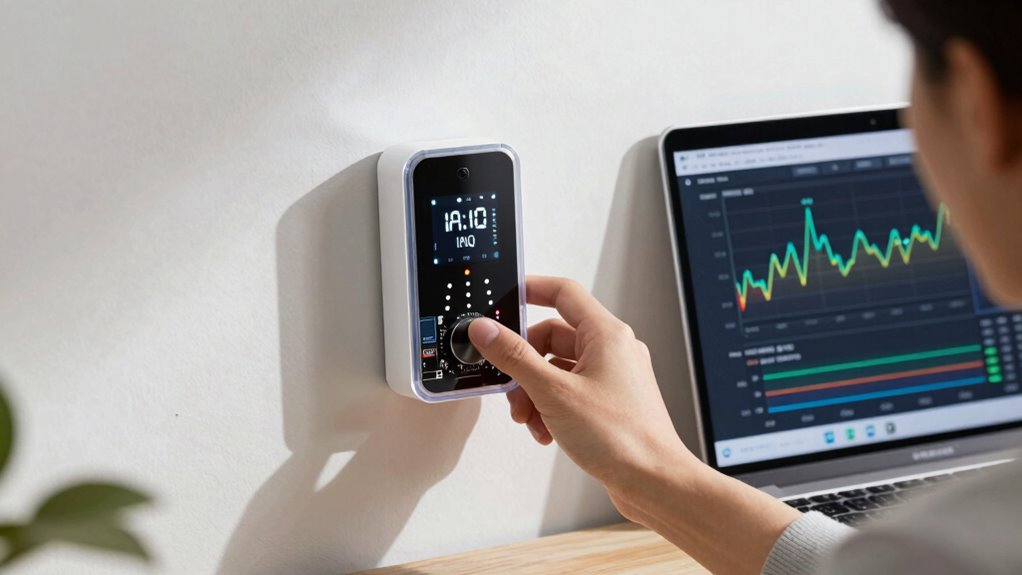
Setting up your indoor air quality data loggers starts with choosing the right devices and placing them in strategic locations. Next, you’ll need to configure the data settings to guarantee accurate and meaningful readings. Follow these steps carefully to get reliable IAQ data that helps improve your indoor environment. Incorporating automotive performance parts such as high-quality sensors can also enhance data accuracy and durability. Proper sensor placement ensures the data collected truly reflects the air quality in different areas of your space. Additionally, selecting advanced sensor technology can significantly improve the precision of your measurements and provide more actionable insights. For optimal results, consider utilizing professional-grade equipment designed specifically for environmental monitoring, which can offer increased reliability and lifespan. Investing in robust calibration protocols ensures your data remains consistent over time and maintains high accuracy.
Choosing Suitable Devices
Have you ever wondered how to select the right data loggers for monitoring indoor air quality? The key is choosing devices that match your specific needs. First, guarantee sensor calibration is straightforward, allowing accurate readings over time. Proper calibration helps maintain data integrity, so look for loggers with easy-to-use calibration features. Next, check device compatibility with your existing systems or data management software to streamline integration. Consider the range of environmental parameters each device can monitor and whether it suits your space and goals. Durability and battery life are also essential, especially for long-term monitoring. By selecting loggers that are easy to calibrate and compatible with your setup, you’ll guarantee reliable data collection that turns insights into actionable improvements. Additionally, device durability ensures the loggers can withstand environmental conditions, providing consistent performance over time. When evaluating options, pay close attention to sensor calibration, which is vital for ensuring ongoing measurement accuracy in your monitoring efforts. Moreover, selecting appropriate monitoring devices can significantly simplify the data collection process and improve the quality of your insights.
Proper Placement Strategies
To guarantee accurate indoor air quality readings, proper placement of your data loggers is essential. Start by choosing a central location away from direct airflow, windows, and heat sources, which can skew results. Use effective placement techniques such as mounting at breathing zone height—around 3 to 6 feet above the floor—and avoiding corners or enclosed spaces. Ascertain your sensors are properly calibrated before deployment to maintain measurement accuracy over time. Regularly check sensor calibration and adjust if necessary, especially if readings seem inconsistent. Proper placement minimizes interference and provides a true reflection of indoor conditions. Remember, strategic positioning directly impacts data quality, so take the time to place your loggers thoughtfully for reliable IAQ monitoring.
Configuring Data Settings
Wondering how to guarantee your data logger captures accurate and useful information? Start by configuring your device’s data settings properly. Verify sensor calibration is up-to-date, so readings reflect true IAQ conditions. Set appropriate sampling intervals based on your monitoring goals—more frequent for detailed analysis, less for general trends. Adjust data security features to protect your information from unauthorized access, especially if recording sensitive environments. Confirm that your logger’s time and date are correct for accurate timestamping. Double-check that data storage limits won’t be exceeded during the monitoring period. Ensuring proper device calibration is essential for reliable data collection. Additionally, reviewing sensor accuracy ensures your measurements truly represent indoor air quality. Regular maintenance and calibration checks help maintain measurement reliability, reducing potential errors over time. Proper configuration minimizes errors and ensures reliable data collection, providing a solid foundation for analyzing IAQ trends and making informed decisions.
As an affiliate, we earn on qualifying purchases.
How to Read and Interpret IAQ Data Trends

To make sense of your IAQ data, you need to spot when patterns shift or anomalies appear. Recognizing these changes helps you understand what’s affecting indoor air quality. By correlating data trends with specific events or conditions, you can make informed decisions to improve your environment. Additionally, understanding the safety tips for portable oil radiators can help prevent hazards that might impact indoor air quality.
Recognize Pattern Shifts
Recognizing pattern shifts in IAQ data involves paying close attention to how measurements change over time. Pattern recognition is essential for spotting unexpected fluctuations or gradual trends that could signal issues. Use trend analysis to identify consistent increases or decreases in pollutants, humidity, or temperature. Notice if data points deviate from established patterns, such as sudden spikes or drops. These shifts can indicate changes in ventilation, occupancy, or external influences. By tracking these variations, you can determine if your IAQ is stable or if intervention is needed. Consistent monitoring helps you develop a clear understanding of normal fluctuations versus concerning changes. Recognizing these pattern shifts allows you to respond proactively and maintain a healthy indoor environment.
Correlate Data Changes
Understanding how to read and interpret IAQ data trends enables you to identify meaningful connections between different measurements. When you notice changes in one sensor, check if related sensors reflect similar shifts, indicating a genuine environmental change. Proper sensor calibration guarantees data accuracy, making your correlations more reliable. Be mindful of data security; protect your logs from tampering or unauthorized access, since altered data can lead to incorrect conclusions. Look for consistent patterns over time rather than isolated spikes. If multiple parameters move together—like rising humidity and VOC levels—you can infer potential causes. By correlating data changes carefully, you turn raw data into actionable insights, helping you make informed decisions for better indoor air quality management.
Using Data to Find and Fix Indoor Air Quality Problems
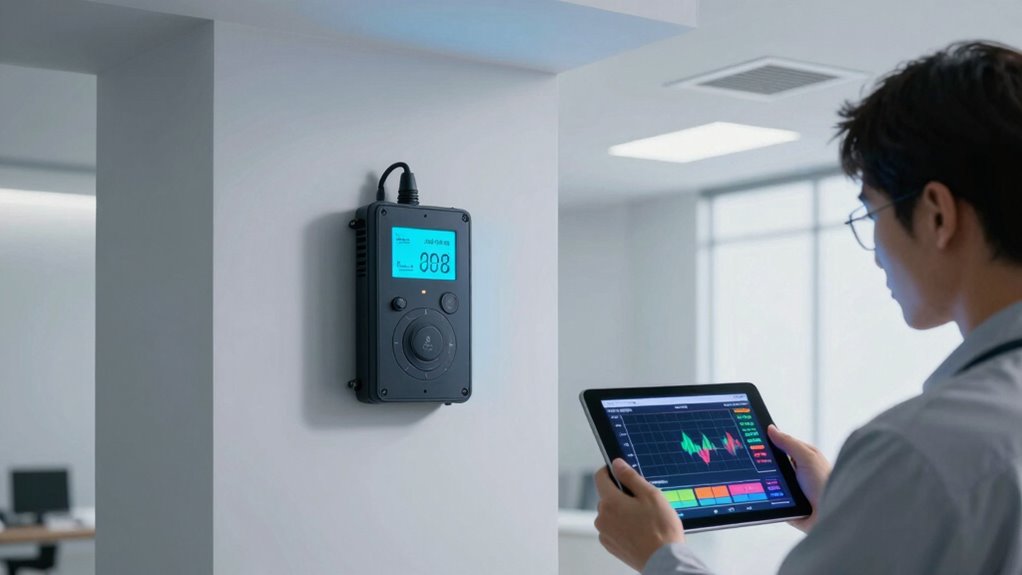
Using data effectively allows you to identify indoor air quality (IAQ) problems quickly and accurately. By analyzing pollutant detection data, you can pinpoint sources of contamination and address them promptly. This enables targeted HVAC optimization, improving airflow and filtration where needed. For example, elevated particulate levels might indicate poor filtration, while high VOC readings suggest off-gassing sources. Use the table below to interpret common IAQ issues:
| Problem | Indicator |
|---|---|
| Poor Ventilation | Low airflow readings |
| High Humidity | Elevated moisture levels |
| Pollutant Spikes | Sudden increases in contaminants |
| HVAC Inefficiency | Fluctuating temperature or airflow |
| Off-Gassing or Odors | Persistent odor detection |
Regular data review helps you fix problems before they worsen, ensuring healthier indoor environments.
Common Data Logging Challenges and How to Avoid Them

While data logging is essential for maintaining good indoor air quality, it also presents several common challenges that can hinder effective monitoring. One major issue is sensor calibration; if sensors aren’t properly calibrated, the data can be inaccurate, leading to false readings and misguided decisions. Regular calibration guarantees reliable results but can be overlooked or neglected. Another challenge is data privacy; collecting and storing IAQ data may raise concerns about security and unauthorized access. To avoid these pitfalls, set up a calibration schedule and use trusted, secure platforms for data storage. Additionally, educate yourself on privacy best practices, ensuring sensitive information remains protected. Addressing these challenges helps maintain data integrity and ensures your IAQ monitoring efforts are both accurate and secure.
Turning IAQ Data Into Practical Strategies for a Healthier Home

Transforming your IAQ data into actionable strategies is essential for creating a healthier home environment. By analyzing your air quality data, you can identify specific issues like high levels of pollutants, humidity fluctuations, or poor ventilation. Data analysis helps you pinpoint the root causes of indoor air problems, allowing you to implement targeted solutions. For example, if your data shows elevated particulate matter during certain times, you might improve air filtration or increase ventilation during those periods. Regularly reviewing your IAQ trends empowers you to make informed decisions, such as adjusting humidity levels or reducing sources of indoor pollution. Turning data into practical strategies guarantees your home remains healthier and safer, promoting better overall air quality for you and your family.
Real-Life Success Stories of IAQ Improvements Through Data Logging

Real-life examples demonstrate how data logging can lead to significant improvements in indoor air quality. For instance, a homeowner used data logs to identify periods of high pollutant levels and realized their air purifier wasn’t running enough during peak times. By adjusting the purifier’s operation based on the data, indoor air became noticeably cleaner. In another case, occupants tracked airflow patterns and found poor ventilation in certain rooms. They optimized ventilation strategies, which reduced humidity and airborne contaminants. These successes show that collecting and analyzing IAQ data empowers you to make targeted improvements. Whether through better air purifier scheduling or ventilation adjustments, data logging transforms raw information into actionable steps that create healthier indoor environments.
What’s Next? Future Trends in Indoor Air Quality Monitoring
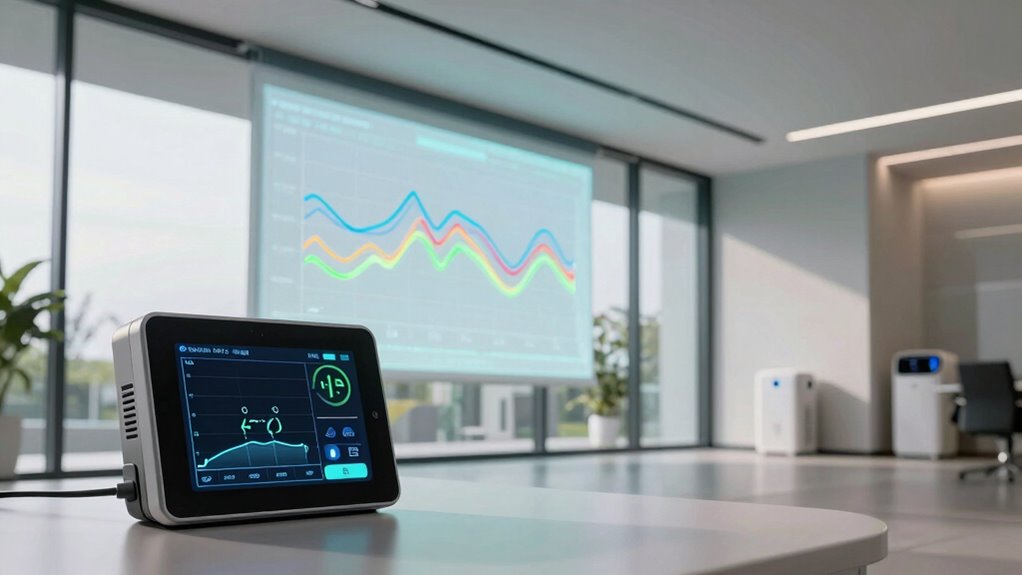
Advancements in sensor technology and data analytics are shaping the future of indoor air quality monitoring. Expect smart sensors to become more accurate, affordable, and integrated into everyday environments, providing real-time insights. These sensors will automatically detect deviations from air quality standards and send alerts or trigger ventilation adjustments. The evolution of data analytics will enable deeper analysis of patterns, helping you identify sources of pollutants and predict IAQ issues before they escalate. As air quality standards become more stringent, monitoring systems will need to adapt quickly, ensuring compliance and healthier indoor spaces. This ongoing innovation will make IAQ management more proactive, personalized, and effective, empowering you to create safer, healthier environments with minimal effort.
Frequently Asked Questions
How Often Should IAQ Data Be Reviewed for Accuracy?
You should review IAQ data for accuracy at least monthly to guarantee sensor calibration remains precise. Regular checks help identify any drift or errors that can affect data quality. Also, verify data storage integrity to prevent loss or corruption. Consistent review allows you to maintain reliable data, making it easier to turn trends into actionable insights and ensure your indoor air quality monitoring system stays effective and accurate over time.
Can Data Loggers Detect All Indoor Air Pollutants?
Data loggers can’t detect all indoor air pollutants because sensors need proper calibration for accuracy, especially for specific contaminants like VOCs or particulate matter. Regular sensor calibration guarantees reliable data, but you should also consider data privacy, especially if logs include sensitive info. While they help monitor many pollutants, combining data loggers with specialized detectors provides a more thorough IAQ assessment.
What Safety Precautions Are Necessary When Installing Data Loggers?
When installing data loggers, you should guarantee proper sensor calibration to maintain accuracy and verify electrical safety by turning off power sources before setup. Wear insulated gloves if necessary, avoid exposing devices to moisture, and follow manufacturer instructions carefully. Keep cables organized to prevent tripping hazards, and double-check all connections. These precautions help protect you and ensure reliable data collection for indoor air quality monitoring.
How Do Seasonal Changes Impact IAQ Data Collection?
Seasonal variability can dramatically skew your IAQ data, making it seem like conditions change overnight. You’ll need to account for these fluctuations to guarantee data consistency throughout the year. As temperatures, humidity, and outdoor pollutants shift, your readings may reflect these changes rather than actual indoor conditions. To get accurate insights, adjust your data collection methods seasonally and compare trends carefully, avoiding misleading conclusions that could lead you astray.
Are There Regulatory Standards for IAQ Data Logging?
Yes, there are regulatory standards for IAQ data logging to guarantee regulatory compliance and data accuracy. You need to follow guidelines set by agencies like OSHA, EPA, or local authorities, which specify monitoring methods, data recording, and reporting requirements. By adhering to these standards, you assure your data is reliable and compliant, helping you make informed decisions to improve indoor air quality effectively.
Conclusion
Think of your IAQ data as a compass guiding you through the maze of indoor pollutants. By turning trends into action, you can navigate toward a healthier home with confidence. Regular monitoring helps you spot issues early and make informed decisions. Remember, your indoor air quality is the foundation of your well-being—so keep the data flowing, stay proactive, and create a space where clean air is always within reach.
Columbus Day / Indigenous Peoples' Day Picks
long weekend sales
As an affiliate, we earn on qualifying purchases.