To do a quick 5-minute ventilation audit, walk through your home and check for stuffy air, lingering odors, or damp spots. Open windows briefly to see how quickly fresh air replaces stale air, and assess if your vents and exhaust fans work properly. Notice if areas feel damp or moldy, and listen for strange noises from fans. Regularly performing this check helps you catch issues early. Keep going to discover more tips for maintaining ideal indoor air quality.

Get home appliances delivered free with Prime
- Fast, free delivery on millions of items
- Prime Video, Amazon Music and more included
- Member-only deals all year
Key Takeaways
- Conduct visual and sensory checks for stale air, odors, and moisture in all rooms.
- Test window and vent efficiency by opening windows and observing air exchange.
- Inspect exhaust fans for proper operation and noise levels.
- Assess humidity levels and look for signs of mold or dampness.
- Regularly maintain and upgrade ventilation systems to ensure optimal airflow.
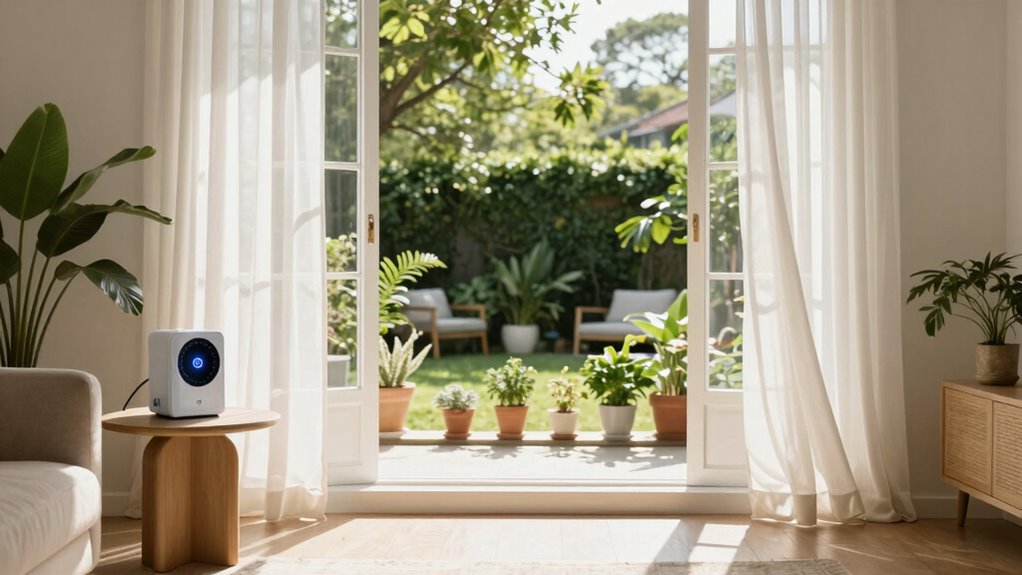
Have you ever wondered if your home’s ventilation system is working properly? It’s a common concern because good ventilation plays a vital role in maintaining healthy indoor air quality. Poor ventilation can trap allergens, pollutants, and excess humidity inside, making your home uncomfortable and potentially harmful. Luckily, you can perform a quick, five-minute ventilation audit to get a clear picture of whether your system is doing its job. This simple check helps you identify problems early and guarantees your indoor air quality stays high.
Ensure your home’s air quality with a quick five-minute ventilation check for fresh, healthy indoor air.
Start by checking for any visible signs of poor ventilation. Walk through your home and look for stuffy or stale air, especially in rooms like the kitchen, bathroom, and basement. If you notice lingering odors, excessive humidity, or visible mold, these are red flags that your ventilation systems might not be functioning as they should. Pay attention to whether the air feels fresh or if it smells stale, indicating that fresh air isn’t circulating properly. If your home feels damp or moist, it’s a sign that moisture isn’t being effectively vented out, which can lead to mold growth and other issues. Proper ventilation is essential for preventing these problems and maintaining a healthy environment.
Next, assess your windows and vents. Open a window briefly in each room, then close it and see how quickly the air feels fresher. If the air doesn’t seem to clear out or if it takes a long time to feel refreshed, your home might lack proper cross-ventilation or your ventilation systems aren’t performing at their best. Check your exhaust fans in the kitchen and bathroom—are they running smoothly? Do they turn on when needed? If they’re noisy, don’t turn on, or don’t seem to make a difference, it’s time to think about maintenance or upgrades. Good ventilation systems should effectively remove excess moisture and pollutants, helping maintain good indoor air quality. Proper ventilation is also crucial for reducing indoor pollutants and allergens that can impact health. Additionally, ensuring air exchange occurs regularly is vital for a fresh and healthy indoor environment. Regularly inspecting your system’s parts can help prevent mechanical issues and prolong its lifespan.
As an affiliate, we earn on qualifying purchases.
Frequently Asked Questions
How Often Should I Perform a Ventilation Audit?
You should perform a ventilation audit at least once a year to guarantee your home meets ventilation standards and maintains proper air exchange. Regular checks help identify if your ventilation system is working efficiently, preventing indoor air quality issues. If you notice condensation, odors, or humidity problems, do an audit sooner. Consistent monitoring ensures fresh air circulation, healthy living conditions, and compliance with recommended ventilation standards.
Can I Do a Ventilation Audit Myself?
Imagine walking through your home, holding a DIY assessment as if it’s a treasure map, spotting areas for fresh air. You can definitely do a ventilation audit yourself using a simple ventilation checklist. Start by checking windows, vents, and airflow sources. This hands-on approach helps you identify issues quickly and maintain good indoor air quality, making your home healthier and more comfortable without needing professional help.
What Signs Indicate Poor Home Ventilation?
If you notice persistent stuffiness, musty odors, or condensation on windows, these are signs of poor home ventilation. Airflow issues often cause uneven air distribution, making some rooms feel stale or humid. Moisture buildup on walls or ceilings can lead to mold growth, indicating inadequate ventilation. Pay attention to these signs, as they suggest you may need to improve airflow or fix ventilation problems for a healthier living environment.
Does Ventilation Affect Indoor Air Quality?
Yes, ventilation directly impacts indoor air quality. Imagine fresh air swirling through your space, carrying away stale smells and pollutants. When you improve air circulation, you actively remove airborne pollutants, preventing them from settling and causing issues like allergies or respiratory discomfort. Proper ventilation guarantees a constant flow, keeping your home’s air clean, fresh, and healthier, so you breathe easier with every breath you take.
Are There Specific Tools Needed for a Ventilation Audit?
You’ll need basic tools like an anemometer or airflow measurement device to assess airflow measurements accurately. A smoke pencil or CO2 monitor helps identify ventilation issues. Follow ventilation standards to make sure your home meets recommended airflow levels. These tools help you quickly evaluate if your ventilation system functions properly, improving indoor air quality and comfort. Regular checks ensure your home stays compliant and safe, making the audit both simple and effective.
As an affiliate, we earn on qualifying purchases.
Conclusion
Think of your home’s ventilation like a refreshing gust for your life. I once helped a family discover hidden mold because of poor airflow, and now they’re breathing easier. Just like a quick check-up keeps your health in check, a five-minute ventilation audit keeps your home safe and fresh. Regularly inspecting your vents is the key to preventing indoor pollution and ensuring your sanctuary truly feels like a breath of fresh air.
As an affiliate, we earn on qualifying purchases.
As an affiliate, we earn on qualifying purchases.
NFL season / tailgating Picks
team gear
As an affiliate, we earn on qualifying purchases.