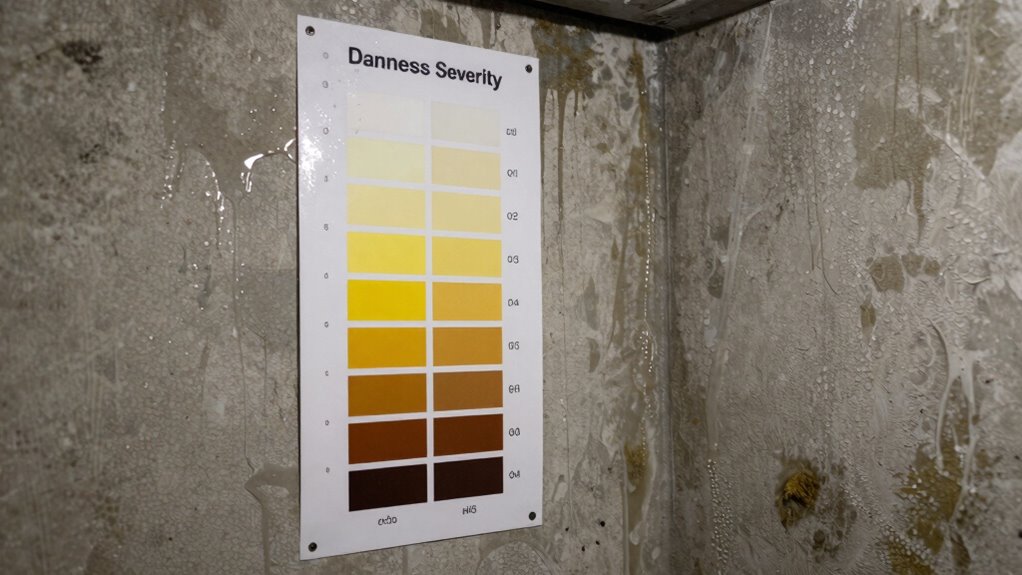

A basement dampness severity chart helps you quickly assess moisture issues and decide on the right actions. It guides you through identifying if the problem is minor surface condensation or severe mold and structural damage. For minor cases, proper ventilation and humidity control work well. Moderate issues need targeted repairs, while severe cases demand waterproofing and professional fixes. Keep an eye on moisture sources and maintenance; more details will help you tackle dampness effectively.

Get home appliances delivered free with Prime
- Fast, free delivery on millions of items
- Prime Video, Amazon Music and more included
- Member-only deals all year
Key Takeaways
- Categorize dampness into minor, moderate, and severe based on visible damage, odors, and mold presence.
- Match severity levels with specific actions like ventilation, sealing, or waterproofing measures.
- Use moisture sources and damage extent to determine urgency and appropriate remediation steps.
- Implement ongoing monitoring to detect early signs of dampness recurrence and adjust actions accordingly.
- Prioritize fixing leaks and waterproofing for severe cases to prevent future moisture issues.
Understanding the severity of basement dampness is essential for effective remediation and preventing long-term damage. When you recognize how dampness manifests, you can choose the right strategies to tackle it. The first step is identifying moisture sources—whether they come from groundwater seepage, plumbing leaks, or condensation. These sources determine how urgent the problem is and influence the remediation approach. Once you’ve pinpointed where the moisture originates, you can consider practical ventilation solutions. Proper ventilation is vital because it helps reduce humidity, dries out damp surfaces, and prevents mold growth. If moisture is coming from outside, improving airflow through vents, exhaust fans, or dehumidifiers can make a significant difference.
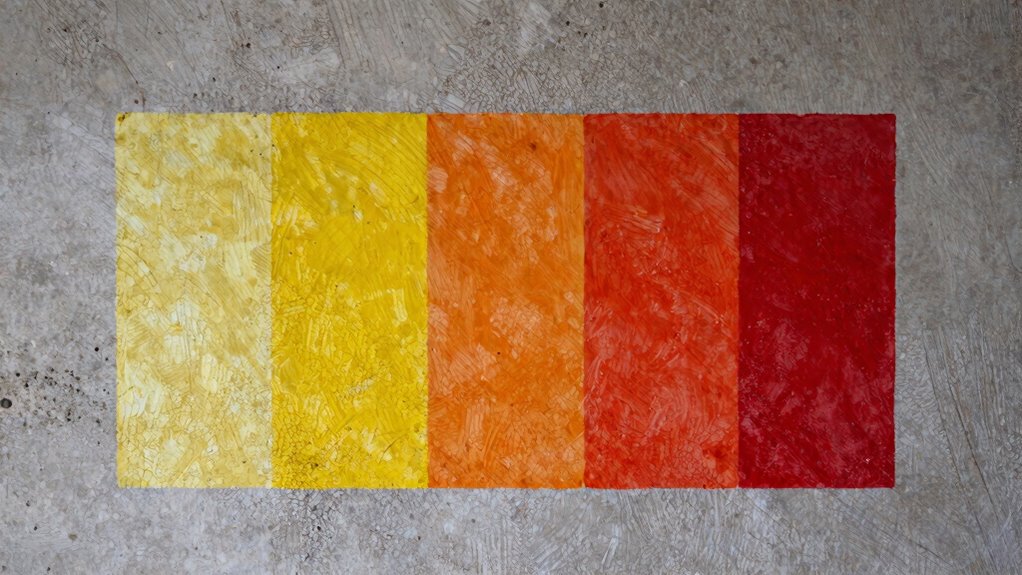
The severity chart acts as your guide to gauge how serious the dampness problem is and what actions to take. For minor dampness caused by surface condensation, simple ventilation solutions like opening windows or installing exhaust fans might suffice. These methods help circulate air and lower indoor humidity levels. When moisture levels are moderate, you might notice musty odors or small patches of mold. In this case, boosting ventilation with dehumidifiers and ensuring good airflow becomes more essential. You may also need to address the moisture sources directly, such as sealing cracks or improving drainage around your foundation. Additionally, understanding moisture sources can help you develop more targeted and effective solutions to prevent future issues. Recognizing the sources of dampness can also guide you in selecting the most appropriate waterproofing measures.
In cases of severe dampness, where you see extensive mold growth, persistent water stains, or structural damage, quick and all-encompassing action is necessary. Ventilation solutions alone won’t solve widespread issues—here, you must also focus on fixing the root causes. This could involve waterproofing your basement, installing sump pumps, or repairing leaks. The chart helps you understand when to escalate from basic ventilation to more aggressive repairs. It also emphasizes the importance of ongoing moisture control and regular monitoring to prevent recurrence. Regularly monitoring humidity levels and ensuring your ventilation solutions are functioning properly helps keep dampness at bay. Incorporating moisture control strategies into your maintenance routine can further safeguard your basement from recurring dampness issues.
Products Worth Considering

Bose TV Speaker (2nd Gen) Compact Soundbar

Roborock RockMow X130H Wire-Free 4WD Robot Lawn Mower

Coway Airmega AP-1512HHS Smart Air Purifier, Black
As an affiliate, we earn on qualifying purchases.
Frequently Asked Questions
Can Dampness Cause Long-Term Structural Damage?
Yes, dampness can cause long-term structural damage. When moisture persists, it leads to foundation deterioration over time, weakening your home’s stability. Additionally, dampness promotes mold growth, which can compromise indoor air quality and harm your health. Ignoring dampness issues allows damage to spread, making repairs more costly. Addressing dampness early prevents foundation problems and mold growth, protecting your property and ensuring a safe, healthy living environment.
What Are the Best Preventive Measures for Basement Dampness?
To prevent basement dampness, you should install vapor barriers on floors and walls to block moisture entry. Guarantee proper moisture control by fixing leaks, directing gutters away from your foundation, and maintaining proper drainage. Ventilate the space regularly to reduce humidity. Using dehumidifiers can also help manage moisture levels. These steps work together to keep dampness at bay, protecting your basement from long-term damage and mold growth.
How Often Should I Check My Basement for Dampness?
You should check your basement for dampness at least once a month, especially after heavy rain or snowmelt. Studies show that 60% of basement moisture issues are detected too late, so regular inspections are crucial. During these checks, focus on basement maintenance and moisture detection, looking for signs like musty odors or water stains. Frequent monitoring helps catch problems early and keeps your basement dry and healthy.
Are There Eco-Friendly Solutions for Dampness Issues?
Yes, there are eco-friendly treatments for dampness issues. You can use natural moisture control methods like installing vapor barriers, improving ventilation, and using desiccant materials such as silica gel or clay. These solutions help reduce humidity without chemicals, making your basement healthier and more sustainable. Regularly checking for signs of dampness and maintaining good airflow also contribute to eco-friendly moisture management, keeping your space dry naturally.
How Does Humidity Level Affect Basement Dampness Severity?
Ever notice how a sudden rainstorm seems to make your basement dampness worse? That’s humidity impact in action—higher moisture levels directly increase dampness severity. When humidity rises, moisture seeps into walls and floors more easily, accelerating problems. Keeping humidity levels in check, ideally below 60%, helps control moisture levels and reduces dampness severity. Proper ventilation and dehumidifiers are your best tools for managing this delicate balance and preventing damage.
Conclusion
Now that you’ve seen how the severity chart guides your decisions, tackling basement dampness becomes less overwhelming. It’s like having a map in unfamiliar territory—you know where to go and what to do. Instead of guessing, you act confidently, saving time and money. Just as a compass points north, this chart directs your next steps. With clarity and control, you turn damp chaos into a dry, safe space—making your basement a place to enjoy, not dread.