In spring, it’s important to stop running your humidifier when indoor humidity exceeds 50%, signs like window condensation or musty smells appear, or outdoor air becomes more humid. Using a hygrometer helps you monitor moisture levels and avoid problems like mold or dust mites. Natural ventilation through opening windows and turning off the humidifier keeps air fresh and healthy. To learn more about managing indoor humidity effectively, keep exploring these tips.

Get home appliances delivered free with Prime
- Fast, free delivery on millions of items
- Prime Video, Amazon Music and more included
- Member-only deals all year
Key Takeaways
- Monitor indoor humidity levels regularly with a hygrometer to ensure they stay within 30-50%.
- Turn off the humidifier when indoor humidity exceeds 50% to prevent mold and dust mite growth.
- Look for signs like condensation on windows or musty odors indicating excessive indoor moisture.
- Use natural ventilation, such as opening windows, to help reduce indoor humidity naturally.
- Adjust humidifier use based on outdoor humidity levels to avoid unnecessary energy consumption.
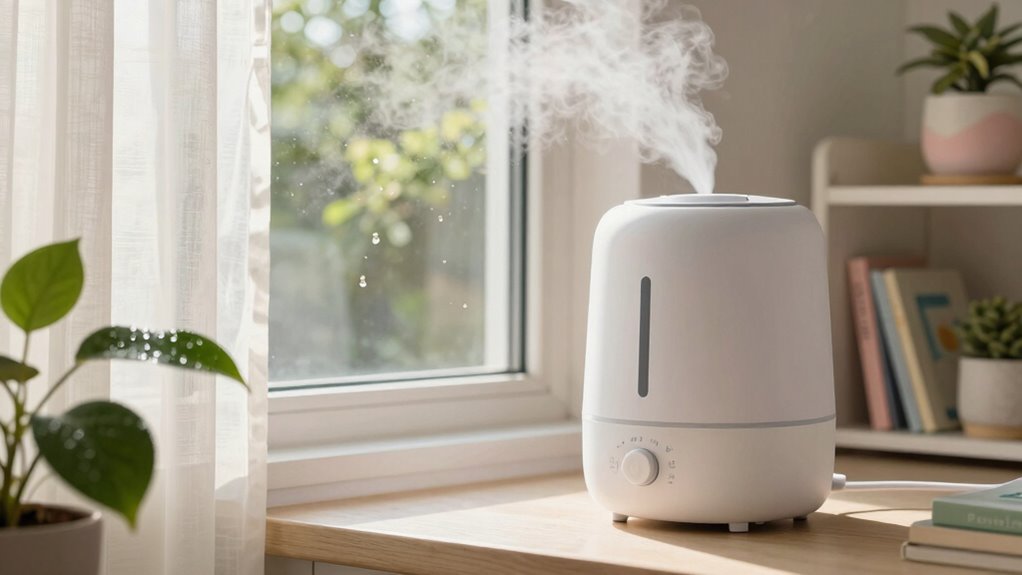
As spring approaches, it’s essential to know when to stop running your humidifier, because maintaining the right indoor humidity levels becomes more important than ever. During this season, outdoor air naturally becomes more humid, and excess indoor moisture can cause problems if your humidifier continues to run unchecked. Too much humidity can negatively impact your air quality, leading to mold growth, dust mites, and other allergens that thrive in damp environments. These issues not only compromise your health but can also worsen respiratory problems. Additionally, running your humidifier unnecessarily wastes energy, increasing your energy consumption without providing any real benefit. It’s a balancing act—too little humidity causes dry skin and irritated sinuses, but too much invites mold and allergens.
Stop running your humidifier in spring to prevent mold, allergens, and energy waste as outdoor humidity increases.
To determine if it’s time to turn off your humidifier, pay attention to your indoor environment. Use a hygrometer to monitor the humidity levels. Ideally, indoor humidity should stay between 30% and 50%. When the humidity consistently exceeds this range, it’s a sign to cut back or shut off the device. During spring, as outdoor air becomes more humid, your home’s natural ventilation can help balance indoor moisture. If you notice condensation on windows or a musty smell, it’s a clear indicator that the humidity is too high. In such cases, turning off the humidifier helps restore proper air quality and prevents mold buildup. Being aware of indoor humidity levels helps you make informed decisions about when to adjust your humidifier use.
Reducing your humidifier use in spring also helps lower energy consumption. Running appliances unnecessarily burns energy, which not only increases your utility bills but also contributes to environmental impact. By adjusting or stopping your humidifier, you’re making a conscious choice to save energy while maintaining healthier indoor air quality. Remember that natural ventilation methods like opening windows and using exhaust fans are effective ways to control indoor moisture without relying solely on appliances. These natural methods help keep humidity in check without extra energy costs, especially when the outdoor air is already moist. Proper ventilation strategies play a key role in maintaining balanced indoor humidity. Additionally, understanding indoor air quality can further guide your efforts to keep your home comfortable and safe.
In essence, knowing when to stop your humidifier isn’t just about comfort—it’s about protecting your health and being mindful of energy use. As outdoor conditions change, so should your approach indoors. Regularly check humidity levels, watch for signs of excess moisture, and adjust accordingly. Doing so ensures that your home maintains a healthy, comfortable environment without unnecessary energy waste. When spring arrives, turn off or reduce your humidifier’s operation, and focus on natural ventilation to sustain healthy air quality and minimize energy consumption.
Products Worth Considering

Levoit Air Purifier for Home, Pets, Bedroom – Smart Wi‑Fi for Large Rooms

Levoit Vital 100S-P Air Purifier with Washable Pre-Filter

Dyson V12 Detect Slim Absolute Cordless Stick Vacuum
As an affiliate, we earn on qualifying purchases.
Frequently Asked Questions
How Can I Tell if My Humidifier Is Causing Mold Growth?
You can tell if your humidifier is causing mold growth by inspecting it regularly for visible mold or a musty smell. Poor humidifier maintenance, like not cleaning it often, encourages mold. To prevent this, always dry and disinfect your unit thoroughly. Mold prevention depends on proper cleaning, using distilled water, and monitoring indoor humidity levels. If you notice mold, stop using the humidifier and clean it immediately.
What Are the Signs of Over-Humidification in Spring?
Ever notice musty smells or condensation on windows? These are signs of over-humidification, which can harm your indoor air quality. You might also see mold growth or peeling paint. To prevent this, monitor humidity levels closely and perform regular humidifier maintenance. If your home feels damp or uncomfortable, it’s time to turn off your humidifier and reassess your settings to keep your indoor environment healthy and balanced.
Can Running a Humidifier Affect Allergy Symptoms?
Running a humidifier can improve your air quality and provide health benefits, especially if you suffer from dry skin or respiratory issues. However, if overused, it can worsen allergy symptoms by promoting mold and dust mites. You should monitor humidity levels and turn off the humidifier when the air becomes too moist. Proper use guarantees better air quality and helps you enjoy the health benefits without aggravating allergies.
Is It Safe to Leave a Humidifier on Overnight?
Leaving a humidifier on overnight can be safe if you do proper humidifier maintenance and monitor air quality. Studies show that improperly maintained units can spread bacteria or mold, affecting health. To stay safe, regularly clean your device and use air quality monitoring tools to prevent excess humidity. This helps avoid problems like mold growth or respiratory issues, ensuring your sleep remains healthy and comfortable throughout the night.
How Often Should I Clean My Humidifier During Spring?
You should clean your humidifier at least once a week during spring humidity changes. Regular humidifier maintenance prevents mold, bacteria, and mineral buildup, ensuring it runs efficiently and safely. If you notice any mold, cloudiness, or unpleasant odors, clean it immediately. During spring, fluctuating humidity levels can encourage growth, so staying consistent with cleaning keeps your humidifier functioning properly and maintains healthy indoor air quality.
Conclusion
As spring blooms, it’s essential to recognize when to turn off your humidifier. Overusing it can lead to mold growth and respiratory issues, especially when outdoor air naturally moistens the environment. Did you know that indoor humidity levels above 60% can cause mold to grow twice as fast? Keep an eye on the weather and your home’s moisture levels, and you’ll guarantee a healthy, comfortable space without unnecessary humidity. Knowing when to stop protects your well-being.