
TL;DR
A home-appliance report outlines seven potential drawbacks of dehumidifiers, including bulky designs, limited placement, tank maintenance and electricity use. The practical impact depends on the model and how it is used; the source gives one tested model’s running-cost estimate but no universal cost or comparison for all units.
A consumer report on dehumidifier drawbacks says buyers should weigh the appliances’ space requirements, water-tank upkeep and electricity use before choosing a model. The report also flags limited design options, restricted placement, noise, overly dry air and ongoing maintenance as issues to check, though the practical effect varies by appliance and household.

Get home appliances delivered free with Prime
- Fast, free delivery on millions of items
- Prime Video, Amazon Music and more included
- Member-only deals all year
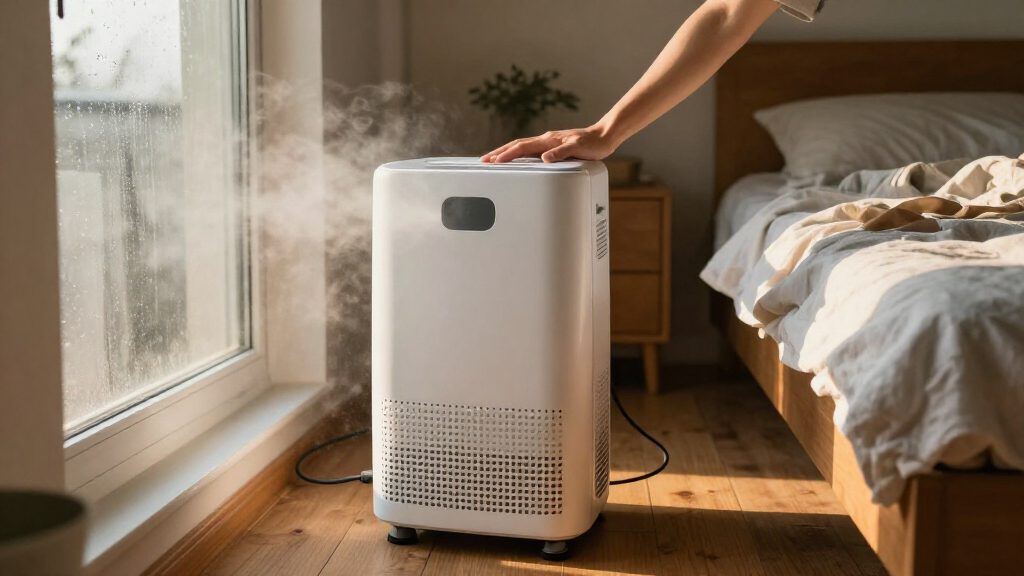
One reported drawback is the appliance’s size and appearance. The source describes many units as bulky and box-shaped, often in white, and says a lack of castors or handles can make them awkward to move. Short power cables may also limit placement. DREO EMEA marketing head Norlan Cai advises buyers to consider where the unit will sit and look for features such as handles, castors and a suitably long cable.
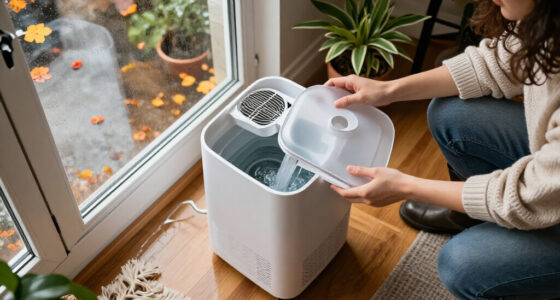
Tank capacity and emptying are another consideration. The source gives examples of a 12-litre-per-day extraction model with a two-litre tank and a 30-litre-per-day model with a six-litre tank; these figures illustrate that extraction capacity and tank size differ, not that every model follows those exact pairings. Nick Kandola, CEO and co-founder of Devola, says a tank with a handle and cover can be easier to carry without spilling. A drainage hose can reduce manual emptying but restrict the appliance to somewhere near a suitable drain.
Electricity use adds an ongoing cost when a unit runs. The report says a MeacoDry Arete Two 12L costs an estimated three pence per hour to operate, but provides no tariff, measurement method or date for that estimate. It also says dehumidifying laundry may cost about half as much as a tumble-dryer programme, without specifying the dryer, cycle or energy prices used. Those figures should not be treated as universal household savings.
Dehumidifier drawbacks before you buy
Space, tank upkeep and electricity use can affect everyday convenience. The impact depends on the model and how you use it.
Space and placement
Check whether the unit fits the room and can be moved where needed.
Bulky designs
Some units are box-shaped and awkward to move, especially without handles or castors.
Limited placement
A short power cable can restrict where the appliance sits.
Water and upkeep
Tank size, use and drainage options shape the emptying routine.
- Regular emptying may be needed.
- A handle and cover can help prevent spills.
- Can reduce trips to empty the tank.
- Requires a suitable drain nearby.
Other issues to check
The report names these concerns but gives less detail about them.
Make a model specific check
Compare the appliance with your room and planned use.
Review dimensions, cable length, handles, castors, tank size and drainage options.
Use the model’s energy information and your local electricity rate.
Check noise information and humidity settings for your intended use.
Costs, Space and Daily Upkeep
These drawbacks matter because a dehumidifier is not just a one-off purchase: its placement, emptying routine and running time can shape whether it is convenient to use. A unit that is hard to move or has a small tank may be frustrating in a home where it needs to be relocated or run often. A hose-based drainage setup can reduce tank handling, but requires a workable route to a drain.
Electricity costs also depend on how long the appliance runs and the price of power. A quoted hourly estimate for one model cannot predict another buyer’s bill. Buyers can compare stated energy use and consider whether their intended use—such as occasional moisture control or laundry drying—justifies the expense. The source’s remaining concerns, including noise and drying air too much, underline the need to check controls and operating guidance rather than assume every unit behaves alike.
Products Worth Considering

Levoit Air Purifier for Home, Pets, Bedroom – Smart Wi‑Fi for Large Rooms

Dyson Ball Animal 2 Total Clean Upright Vacuum Cleaner, Blue

Philips Hue Bridge Pro Starter Kit with 4 A19 E26 Color Smart Bulbs
As an affiliate, we earn on qualifying purchases.
How Models Differ in Use
The source is a product-testing report rather than a formal market survey. It combines the tester’s observations with comments from two industry representatives and examples from individual products. Its account says a Devola 20L Platinum Hybrid Dehumidifier and Air Purifier, with a 2.9-litre tank, needed emptying every few days during several hours of use across three to four days. That is a specific testing experience, not a general emptying schedule.
The report also notes that some tanks have covers and handles that can reduce spills, while continuous drainage may avoid frequent trips to empty a container. Model features and household moisture levels affect the experience. The supplied material introduces seven drawbacks but provides detailed discussion only of the first three; it does not give equivalent evidence or detailed examples for every item in the list.
““Dehumidifiers come in a range of shapes and sizes, so consider where and how you plan to position one before buying.””
— Norlan Cai, DREO’s head of marketing for Europe, the Middle East and Africa
Limits of the Cost Estimates
The supplied report does not state its publication date, electricity tariff or method for calculating the quoted three-pence hourly cost. It also does not identify the tumble-dryer model or programme behind its cost comparison. Those figures are therefore examples, not verified estimates for every buyer. The source discusses only three drawbacks in detail despite referring to seven, leaving the evidence and examples for the other four unspecified. It does not quantify typical noise levels or explain how often a unit might dry a home’s air excessively.
Checks Before Choosing a Model
Before buying, compare the appliance’s dimensions, cable length, handles or castors, tank capacity and drainage options against the room where it will be used. Check the manufacturer’s stated energy use and noise information, and read the operating guidance on humidity settings. If regular use is planned, estimate running costs using the local electricity rate rather than relying on a single model’s quoted hourly figure.
For households considering continuous drainage, check whether the hose can reach a suitable drain without creating a placement or trip hazard. The supplied source gives no further testing results or follow-up date, so model-specific performance and the full evidence behind all seven listed drawbacks remain unreported.
Key Questions
What are the main disadvantages of a dehumidifier?
The report highlights bulk and limited placement, regular water-tank emptying and electricity costs. It also names noise, overly dry air and maintenance as issues, but the supplied material does not detail those four points to the same extent.
How often does a dehumidifier tank need emptying?
It depends on the tank size, the amount of moisture removed and how long the unit runs. The report describes one 2.9-litre tank that needed emptying every few days under a particular test routine; that is not a schedule that applies to all models.
Can a dehumidifier run continuously without manual emptying?
Some models can use a drainage hose to send water to a sink or drain. That can reduce manual emptying, but the unit must be positioned close enough to a suitable drain.
How much does it cost to run a dehumidifier?
Costs depend on the model, how long it runs and the electricity tariff. The report quotes three pence per hour for one Meaco model, but does not provide the tariff or calculation method, so buyers should check model-specific energy information and calculate costs using their own rate.
Source: idealhome.co.uk