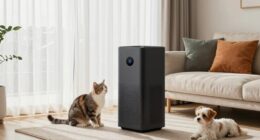
Humidifiers can effectively relieve sinus discomfort by adding moisture to dry indoor air, which soothes irritated nasal passages and eases congestion. When used correctly, they help maintain ideal humidity levels between 30% and 50%, preventing dryness and mold growth. Proper maintenance and the right humidity balance are essential for good results. If you want to discover how to get the most benefit and avoid common pitfalls, keep exploring.
Key Takeaways
- Humidifiers add moisture to dry air, soothing irritated nasal passages and reducing sinus congestion.
- Proper maintenance and use of distilled water prevent mold and bacteria, ensuring effective sinus relief.
- Maintaining indoor humidity between 30-50% optimizes sinus comfort and prevents over- or under-humidification.
- Over-humidification can promote mold growth and worsen sinus issues, so balance is essential.
- When used correctly, humidifiers can effectively alleviate sinus symptoms, especially in dry environments or seasons.

If you suffer from sinus congestion or dryness, a humidifier can provide much-needed relief by adding moisture to the air. When used properly, it can soothe irritated nasal passages, reduce congestion, and improve breathing. However, to guarantee it works effectively, you need to pay attention to humidifier maintenance and sustain ideal humidity levels. Neglecting these aspects can lead to problems like mold growth, bacteria buildup, or overly moist air, which may worsen sinus issues or cause other health concerns. Regular cleaning is essential; you should empty, dry, and disinfect the tank daily to prevent mold and bacteria, which can be dispersed into the air and irritate your sinuses. Using distilled or filtered water instead of tap water also minimizes mineral buildup, keeping the device functioning properly and reducing the risk of airborne particles that could aggravate sinus problems.
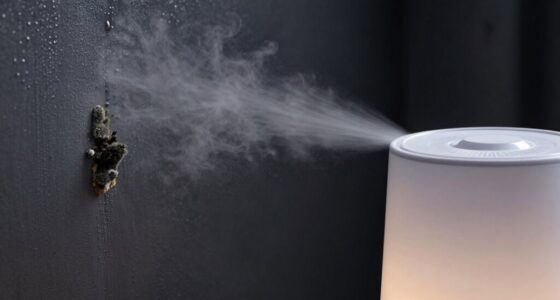
Maintaining ideal humidity levels is equally important. Ideally, indoor humidity should stay between 30% and 50%. If the air is too dry, your nasal passages can become inflamed and more prone to irritation and infection. Conversely, if the humidity is too high, it encourages mold, dust mites, and bacteria, which can worsen sinus congestion and lead to other respiratory issues. To keep humidity levels in check, consider using a hygrometer—an inexpensive device that measures moisture in the air. Adjust your humidifier’s settings accordingly to reach and sustain the right range. Some models come with built-in humidistats, making this process easier. Remember, consistency matters; fluctuating humidity levels can make sinus symptoms worse, so aim for steady, moderate moisture.
Additionally, recent AI discoveries suggest that advanced AI systems could one day optimize environmental conditions, including humidity, more precisely than manual adjustments, potentially enhancing sinus relief strategies. Beyond just the device, it’s helpful to monitor your environment and make adjustments as needed. Keep windows open for ventilation, especially when the air feels overly moist or stuffy. Use the humidifier during dry seasons or in heated indoor spaces where central heating can drastically reduce moisture. Be cautious about over-humidification, which can encourage mold growth or dust mites, both of which can irritate your sinuses further. Regularly inspecting your humidifier and measuring humidity levels will help you strike the right balance. When used correctly, with proper maintenance and humidity control, a humidifier can be a powerful tool in managing sinus discomfort and maintaining clearer, healthier nasal passages.
Frequently Asked Questions
Can Humidifiers Prevent Sinus Infections Entirely?
Humidifiers can’t prevent sinus infections entirely, but they can help by improving air quality and keeping your nasal passages moist. Proper humidifier safety is essential—clean it regularly to prevent mold and bacteria growth. Maintaining ideal humidity levels reduces dryness, which can lower your risk of infection. While they aren’t foolproof, using a humidifier wisely supports overall respiratory health and creates a more comfortable environment for your sinuses.
Are Certain Types of Humidifiers Better for Sinus Relief?
If you’re seeking effective sinus relief, ultrasonic humidifiers are a great choice. For example, a person with chronic sinus issues noticed fewer symptoms after switching to an ultrasonic model, which produces a fine, cool mist. Different humidifier types, like evaporative and ultrasonic, vary in how they release moisture. Ultrasonic humidifiers often provide more consistent humidity, making them better suited for sinus relief by maintaining ideal moisture levels.
How Often Should I Clean My Humidifier for Optimal Use?
You should clean your humidifier at least once a week to maintain ideal use and prevent mold or bacteria buildup. Follow a consistent cleaning schedule, including rinsing the tank thoroughly and using a mild disinfectant. Proper humidifier maintenance ensures you breathe clean, moist air and keeps your device functioning efficiently. Don’t skip cleaning sessions; regular upkeep is key to safe, effective humidifier use.
Do Humidifiers Help With Sinus Pain or Just Congestion?
Think of your humidifier as a gentle wizard for your sinuses. It not only helps with congestion but also eases sinus pain by adding moisture to the air, improving humidifier effectiveness. While it’s great for sinus relief benefits, it’s not a cure-all. Regular use can reduce irritation and pressure, making your symptoms more manageable. Just make sure you keep it clean to maximize benefits and avoid mold or bacteria.
Can Using a Humidifier Worsen Allergy Symptoms?
Yes, using a humidifier can worsen allergy symptoms if it affects your air quality or humidity levels. If the air becomes too humid, mold and dust mites may thrive, triggering allergies. To prevent this, keep humidity levels between 30-50%, and make sure your humidifier is clean to avoid mold and bacteria buildup. Properly managing air quality and humidity helps you enjoy relief without worsening allergies.
Conclusion
Using a humidifier can substantially ease your sinus discomfort, especially if dry air worsens your symptoms. Studies show that maintaining indoor humidity levels between 30-50% can reduce sinus issues by up to 40%. So, if you’re battling congestion, a humidifier might be worth trying. Just remember to keep it clean to avoid mold and bacteria. With proper use, you could breathe easier and enjoy relief from sinus pressure more comfortably.