
TL;DR

Get home appliances delivered free with Prime
- Fast, free delivery on millions of items
- Prime Video, Amazon Music and more included
- Member-only deals all year
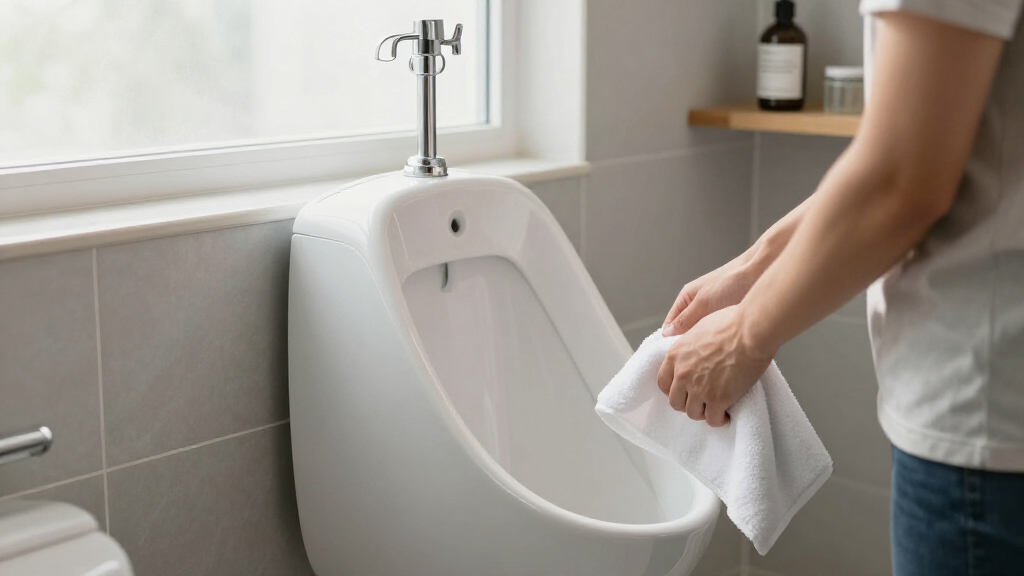
Splash-free urinals are scheduled for release in 2025, promising to eliminate splash-back issues. The development has attracted increased coverage, though specific product details are still emerging. This innovation could impact hygiene standards and maintenance costs in public restrooms.
Manufacturers are preparing to introduce splash-free urinals in 2025, aiming to eliminate splash-back issues that have long challenged restroom hygiene and cleanliness. The development targets public and commercial facilities, with details about the specific technology and implementation still emerging. This innovation could significantly reduce maintenance costs and improve user experience, making it a notable trend in restroom design.
Interest in splash-free urinals has surged in recent months, driven by ongoing concerns about hygiene and cleanliness in public restrooms. Industry sources indicate that several companies are in the final stages of testing prototypes that use novel water flow and surface design features to prevent splash-back entirely. These designs are based on recent advances in fluid dynamics and surface materials, aiming to redirect or contain water flow to avoid spillage outside the urinal basin.
Though specific product models and manufacturers have not yet been officially announced, the trend signals a shift toward more hygienic restroom fixtures. Experts suggest that the technology could be integrated into existing urinal models or offered as part of new installations in airports, stadiums, and other high-traffic venues. The move is also seen as a response to increasing demand for sanitary and low-maintenance restroom solutions, especially in the wake of heightened health awareness.
Search interest in splash-free urinals has spiked over the past two months, according to online trend data, though the trigger for this increased attention remains unconfirmed. Industry insiders believe that the trend reflects broader innovations in restroom technology and design, possibly accelerated by the COVID-19 pandemic’s emphasis on hygiene. However, detailed product specifications, pricing, and availability are still under wraps, with official launches expected sometime in 2025.
Impact on Hygiene and Maintenance Costs
The introduction of splash-free urinals could have significant implications for hygiene standards in public restrooms. By eliminating splash-back, these fixtures are expected to reduce the spread of bacteria and other contaminants, contributing to healthier environments. Additionally, the technology promises to decrease cleaning and maintenance costs, as less water and surface cleaning will be required to maintain hygiene standards. This could lead to operational savings for facility managers and improved user satisfaction, especially in high-traffic venues where restroom cleanliness is a priority.
Products Worth Considering

Bose TV Speaker (2nd Gen) Compact Soundbar with Bluetooth and HDMI

Philips Hue Bridge Pro Smart Lighting Hub

Philips Hue Secure Wired Video Doorbell, 2K, Black
As an affiliate, we earn on qualifying purchases.
Historical Challenges with Urinal Splash-Back
For decades, restroom designers and users have grappled with the problem of splash-back from urinals, which can cause hygiene issues and discomfort. Traditional urinal designs often allow water to splash outside the basin, leading to increased cleaning needs and potential health risks. Over the years, various solutions have been proposed, including improved water flow control and surface treatments, but none have fully eliminated splash-back across all settings. The recent surge in interest around splash-free urinals suggests that technological advancements may finally offer a comprehensive solution, building on research into fluid dynamics and materials science. The trend appears to be driven by a combination of hygiene concerns, user comfort, and cost-saving priorities, especially as public health standards become more stringent worldwide.
Details and Deployment Timeline Still Unclear
While the trend toward splash-free urinals is clear, specific product details, manufacturer names, and deployment timelines remain unconfirmed. It is not yet known which companies will be first to commercialize these fixtures or how widely they will be adopted initially. Additionally, questions remain about the technology’s durability, cost, and compatibility with existing restroom infrastructure. Industry insiders caution that the development process could face unforeseen technical or regulatory hurdles, and official product launches are still expected sometime in 2025, but no precise dates have been announced.
Expected Product Launches and Industry Adoption in 2025
In the coming months, industry sources anticipate that prototype testing will conclude, with manufacturers unveiling splash-free urinal models at trade shows or through official product releases. Facility managers and architects will likely evaluate these fixtures for integration into new construction projects and renovations. As adoption ramps up, early case studies and user feedback will provide further insight into the fixtures’ effectiveness and cost benefits. Regulatory approvals, if required, may also influence the timeline. Overall, 2025 is expected to be a pivotal year for the commercialization and widespread adoption of splash-free urinals.
Key Questions
How do splash-free urinals work?
While specific designs are still under development, early concepts involve controlling water flow and using specialized surface materials to redirect or contain water, preventing splash-back outside the basin.
Will splash-free urinals be more expensive than traditional models?
It is currently unclear, but industry experts suggest that initial costs may be higher due to new technology. However, savings in maintenance and cleaning could offset higher upfront expenses over time.
Are splash-free urinals suitable for all restroom types?
Manufacturers aim to develop versatile designs adaptable to various settings, including public, commercial, and high-traffic facilities. Specific models and compatibility details are still under development.
When will splash-free urinals be available for purchase?
Official product launches are expected sometime in 2025, but exact dates and availability will depend on final testing and regulatory approval processes.
Will splash-free urinals require special installation or maintenance?
Details remain under wraps, but the technology is anticipated to be compatible with existing plumbing, with potentially reduced maintenance needs due to improved hygiene features.
Source: hn