Older homes often have poor ventilation and moisture control, which can trap stale air, pollutants, dust, and allergens inside. Leaky windows, roof leaks, and outdated insulation allow moisture to build up, promoting mold growth. This poor airflow and unchecked moisture can cause health issues and unpleasant odors. If you want to understand how these issues affect your indoor environment and discover effective solutions, keep exploring how to improve air quality in older homes.
Key Takeaways
- Older homes often lack modern ventilation systems, trapping stale air and pollutants inside.
- Hidden moisture issues like leaks and poor sealing promote mold growth and indoor air quality problems.
- Inadequate airflow prevents moisture and pollutants from dissipating, worsening air quality issues.
- Aging homes may have outdated insulation, leading to higher humidity and increased mold risk.
- Regular maintenance and upgrades are essential to mitigate air quality stresses in older residences.
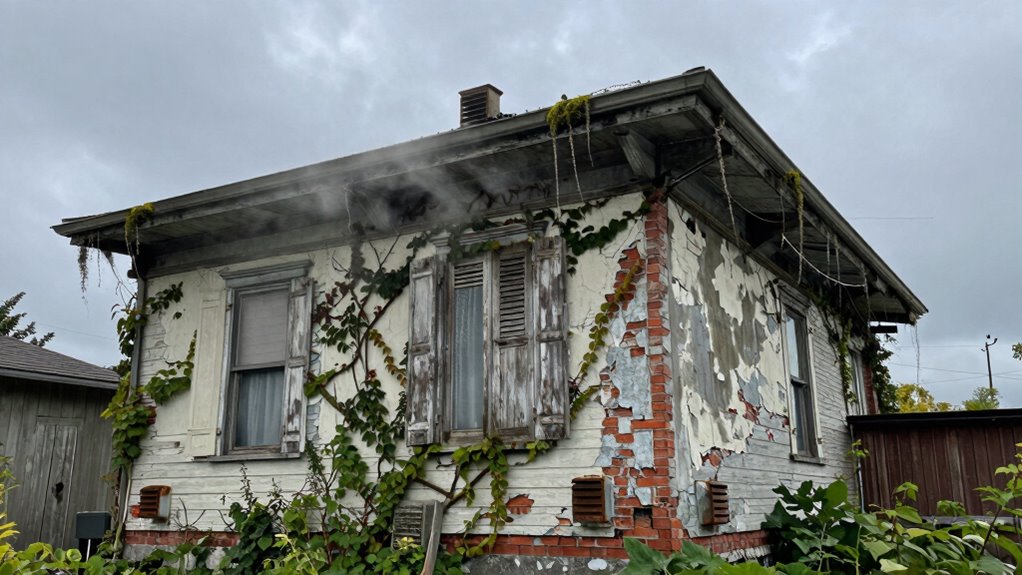
Older homes often harbor hidden air quality issues that can impact your health and comfort, even if they seem well-maintained. One of the biggest challenges you’ll face is ventilation. Unlike modern homes designed with advanced airflow systems, older homes often have inadequate ventilation, trapping stale air inside. This means that pollutants, dust, and allergens can accumulate over time, making the air you breathe less fresh and more contaminated. Poor ventilation can lead to stuffy rooms, lingering odors, and increased indoor humidity, which further complicates air quality. Without proper airflow, airborne toxins and moisture don’t dissipate effectively, creating an environment where mold and other allergens thrive. Recognizing the importance of ventilation systems is key to improving indoor air quality in these homes.
Older homes often trap stale air, pollutants, and allergens, reducing indoor air quality and increasing health risks.
Mold risks are another concern in older homes. These structures tend to have hidden moisture problems—think leaky pipes, roof leaks, or poor sealing around windows and doors—that create the perfect conditions for mold growth. Because mold spores are microscopic, they can spread unnoticed, settling into hidden corners, behind walls, or under floors. Once mold takes hold, it releases spores into the air, which can trigger respiratory issues, allergies, and asthma attacks, especially if you’re sensitive or have existing health conditions. Given that older homes often lack modern moisture barriers and ventilation systems, mold can become a persistent problem that’s difficult to detect until it’s visibly obvious or causes health symptoms. Regularly assessing moisture levels can help prevent these issues from developing unchecked. Understanding the importance of airflow and moisture control** is crucial for maintaining healthy indoor environments in older homes. Additionally, utilizing humidity monitors** can help homeowners keep moisture levels in check and prevent mold growth.
You might not realize it, but these ventilation challenges and mold risks are interconnected. Poor airflow not only allows pollutants to build up but also hampers moisture removal, encouraging mold development. Without regular maintenance and upgrades, these issues can escalate, making your home uncomfortable and potentially hazardous. You might notice a musty smell or see visible mold patches, but by then, the air quality has already been compromised. Addressing these problems involves more than just cleaning; it requires improving airflow with vents or exhaust fans and controlling moisture levels through repairs and proper insulation. Additionally, upgrading to modern ventilation systems can significantly improve airflow and reduce indoor pollutants.
Ultimately, living in an older home means being proactive about air quality. You need to understand that ventilation challenges and mold risks aren’t just minor inconveniences—they’re health concerns. Regular inspections, proper ventilation upgrades, and moisture control are essential steps to creating a safer, healthier living environment. By taking these measures, you can reduce the stress that poor air quality brings and enjoy a more comfortable, breathable home.

Levoit Air Purifiers for Bedroom Home Pets Dorm Room, Small Air Purifiers
- Certified for Performance: AHAM Verifide certified for reliability
- Removes Pollutants: Captures lint, pet dander, smoke
- Odor Neutralization: Reduces smoke, odors, fumes
As an affiliate, we earn on qualifying purchases.
As an affiliate, we earn on qualifying purchases.
Frequently Asked Questions
How Does Insulation in Older Homes Affect Indoor Air Quality?
Insulation in older homes can negatively affect indoor air quality by worsening insulation degradation and increasing air leakage. As insulation wears down over time, it becomes less effective, allowing dust, mold, and allergens to circulate more freely. Air leakage from gaps and cracks further introduces pollutants from outside, making it harder to maintain a healthy indoor environment. Properly updating insulation and sealing leaks helps improve air quality and indoor comfort.
Are There Specific Pests Common in Older Homes That Impact Air Quality?
Pest infestations are common in older homes and can considerably impact air quality. You might notice airborne allergens from pests like cockroaches, rodents, or dust mites, which can trigger allergies or asthma. These pests leave behind droppings, shed skin, and other debris that become airborne, worsening indoor air quality. Regular inspections and prompt pest control help reduce airborne allergens, making your home healthier and more comfortable.
Can Remodeling Older Homes Improve Indoor Air Quality Effectively?
Remodeling older homes can considerably improve indoor air quality, like opening a window to let fresh air in. You should focus on air filtration systems and ventilation improvements, which help remove pollutants and moisture buildup. Upgrading insulation and sealing leaks also reduce dust and allergens. These changes work together to create a healthier living space, making your home feel fresh and comfortable, even in the oldest of structures.
What Role Do Old Wiring and Electrical Systems Play in Air Quality Stress?
Old wiring and electrical systems contribute to air quality stress by increasing electrical hazards and wiring deterioration. Faulty wiring can release dust, debris, and even dangerous particles into your indoor air, especially if insulation or connections are compromised. Sparks or overheating may also cause fires, worsening indoor air quality with smoke and toxins. Regular inspections and updates are essential to reduce these risks, improve safety, and help maintain healthier indoor air.
How Do Historic Building Materials Influence Indoor Air Safety?
Historic building materials influence indoor air safety by potentially releasing harmful substances like lead paint and asbestos fibers. When disturbed, lead paint chips or dust can contaminate the air, posing health risks. Asbestos fibers, often in insulation or flooring, may become airborne if damaged or deteriorated. You should have these materials tested and professionally remediated to maintain a safe indoor environment and reduce air quality stress.
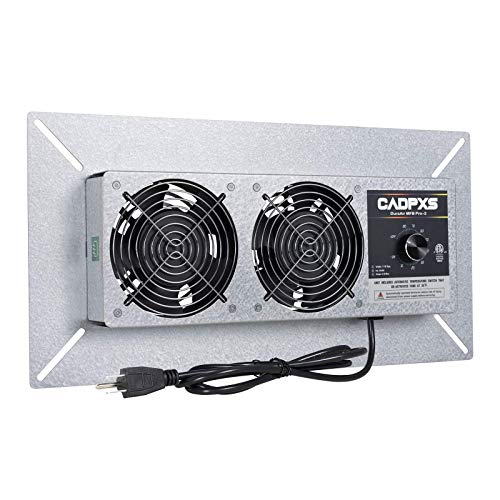
CADPXS Crawlspace Ventilation Fan, Crawlspace Fan Vent with Humidistat
- Airflow Capacity: 220 CFM for effective ventilation
- Compact Size: 18 x 9 x 2 inches
- Dual Fans: Enhanced airflow and efficiency
As an affiliate, we earn on qualifying purchases.
As an affiliate, we earn on qualifying purchases.
Conclusion
Living in an older home means facing unique air quality challenges, but remember, “A house is only as healthy as the air you breathe.” Regular maintenance, proper ventilation, and awareness can considerably reduce stress and improve your indoor environment. Don’t wait until small issues become big problems—take proactive steps today. After all, caring for your home’s air isn’t just about comfort, it’s about safeguarding your health for years to come.
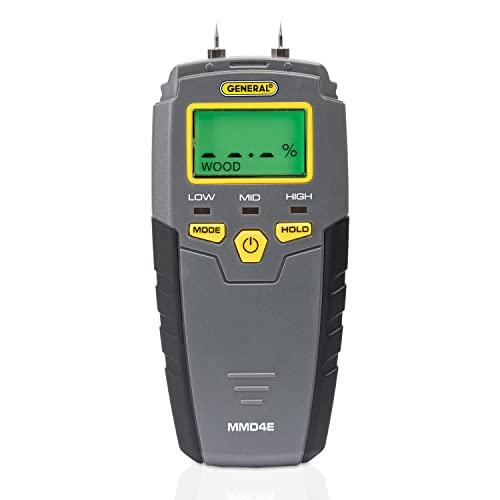
General Tools MMD4E Moisture Meter for Wood, Walls & Water Leak Detection
- Humidity Sensor: Detects moisture levels for mold prevention
- Water Leak Detection: Identifies water presence in wood and drywall
- Moisture Reader: Backlit LCD with large digits for easy reading
As an affiliate, we earn on qualifying purchases.
As an affiliate, we earn on qualifying purchases.

24" x12"x1" (Thick) Ceramic Fiber Blanket Fireproof Insulation Baffle Rated to 2400F, High-Temperature Resistance for Oven Stoves, Kilns, Forges
- High-Temperature Resistance: Rated up to 2400°F for durability
- Flexible and Tear-Resistant: Easy to cut and shape
- Odorless Mineral Wool: Non-conductive with sound insulation
As an affiliate, we earn on qualifying purchases.
As an affiliate, we earn on qualifying purchases.