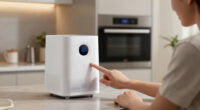
To quickly reduce breathing irritants in your kitchen, focus on regular surface cleaning, waste management, and proper ventilation. Wipe down countertops, stove, and cabinets after cooking, and empty trash frequently to cut down on odors and airborne particles. Use range hoods, open windows when possible, and run an air purifier with HEPA filters nearby. Keeping these habits consistent can make a noticeable difference—continue exploring ways to release even healthier indoor air.

Get home appliances delivered free with Prime
- Fast, free delivery on millions of items
- Prime Video, Amazon Music and more included
- Member-only deals all year
Key Takeaways
- Regularly clean range hood filters to eliminate grease and smoke buildup, reducing airborne irritants during cooking.
- Use an air purifier with HEPA filters near the cooking area to capture small particles like smoke and dust.
- Increase ventilation by opening windows or using exhaust fans to disperse airborne contaminants quickly.
- Wipe down surfaces promptly after cooking to prevent particle resettling and airborne irritant release.
- Wash dishcloths and sponges frequently to prevent bacteria and mold that can worsen air quality.

If you want to breathe easier while cooking, establishing a simple kitchen routine can make a big difference. Many people overlook the impact of daily habits on air quality, but consistent cleaning habits can markedly cut down on common breathing irritants like smoke, grease particles, and airborne chemicals. Incorporating an air purifier into your kitchen setup is an effective way to continuously filter out pollutants that otherwise linger after cooking. When you combine regular cleaning with an air purifier, you create a cleaner environment that promotes better breathing during and after meal prep.
Start by making it a habit to wipe down surfaces after each use. Grease splatters and food residues release particles into the air if left untouched, which can irritate your lungs over time. Use a damp cloth with a gentle cleaner to remove buildup on countertops, stove surfaces, and cabinets. This simple step prevents particles from becoming airborne and reduces the overall presence of irritants in your kitchen. Don’t forget to clean your range hood filters regularly, as they trap grease and smoke that would otherwise recirculate into your breathing space. Regular maintenance of ventilation systems can further improve air quality and prevent the buildup of airborne irritants. Additionally, ensuring proper air circulation can significantly enhance the dispersal of airborne contaminants. Improving indoor air quality through these practices supports healthier respiratory function over time.
Wipe down surfaces after cooking to prevent airborne irritants and keep your kitchen healthier.
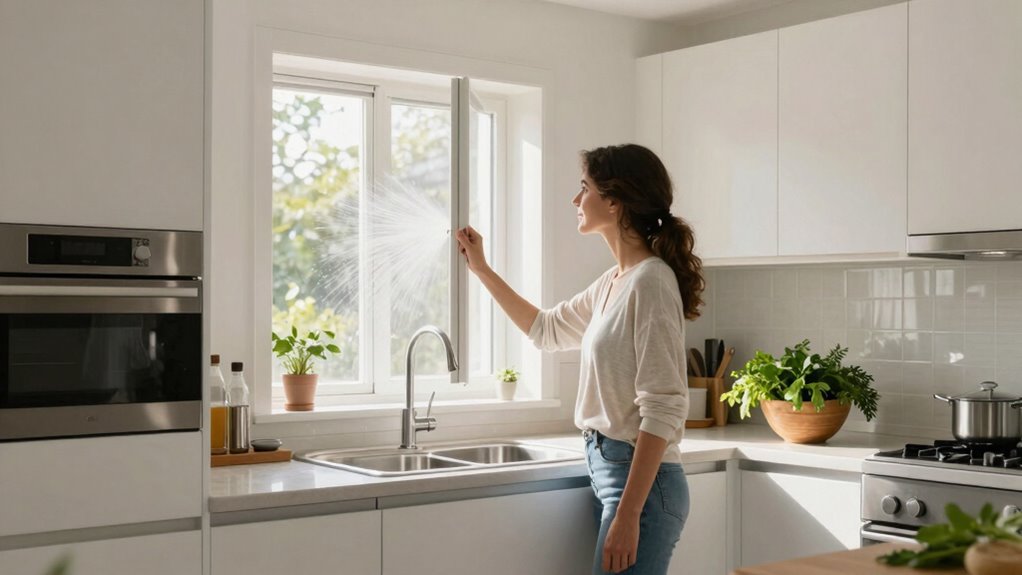
In addition to wiping surfaces, pay attention to your trash and compost bins. Food scraps and waste can emit odors and airborne particles that contribute to poor indoor air quality. Empty these containers frequently, and give them a quick scrub to eliminate lingering smells and bacteria. Proper waste management is essential for maintaining a healthier indoor environment and minimizing airborne contaminants. Maintaining good ventilation is equally important—use your range hood during cooking and open a window if possible. Adequate airflow helps disperse airborne irritants quickly, preventing them from settling and accumulating.
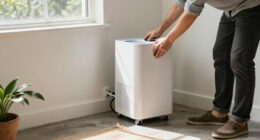
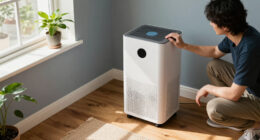
Investing in an air purifier designed for indoor spaces can drastically improve your kitchen air quality. Place it near your cooking area or in a spot where air circulation is limited. Look for models with HEPA filters, which are especially effective at capturing tiny particles like smoke, pollen, and dust. Turn it on during cooking and keep it running afterward to clear residual irritants. Regularly replacing filters and performing maintenance on your air purifier will ensure it functions effectively over time.
Finally, adopt cleaning habits that extend beyond just wiping surfaces. Wash your dishcloths and sponges regularly, as they harbor bacteria and mold that can worsen indoor air quality. Keep your kitchen well-ventilated, and consider scheduling deep cleans weekly to remove hidden grime that accumulates over time. These habits, combined with a reliable air purifier, can make a noticeable difference in reducing breathing irritants and creating a healthier cooking environment. When you prioritize cleanliness and air filtration, you’re actively protecting your lungs and making your kitchen a safer space for everyone.
As an affiliate, we earn on qualifying purchases.
Frequently Asked Questions
Can This Routine Help With Allergies Caused by Pets?
Yes, this routine can help with pet allergy symptoms caused by pet dander and airborne pollutants. By regularly cleaning surfaces and using proper ventilation, you reduce the amount of pet dander in the air. This minimizes airborne pollutants that trigger allergy symptoms. Keeping your kitchen clean and well-ventilated creates a healthier environment, making it easier to breathe and reducing allergy discomfort caused by pet-related irritants.
How Often Should I Perform This Kitchen Routine?
You should perform this routine at least once a month to keep your ventilation systems and cleaning filters effective. Regularly cleaning filters prevents buildup of dust and pet dander, while maintaining ventilation systems helps circulate fresh air and reduce irritants. If you notice increased allergy symptoms or cooking fumes, increase the frequency to bi-weekly. Consistent upkeep guarantees your kitchen remains a healthier environment for you and your family.
Does This Routine Work for All Types of Breathing Irritants?
Yes, this routine can help with various irritant sources, but its effectiveness depends on your air quality. It reduces common irritants like cooking fumes and dust, yet some stubborn particles may need additional measures. While it’s a helpful step, consider combining it with proper ventilation and air purifiers for thorough relief. Remember, addressing specific irritants may require tailored solutions, but this routine is a good starting point for cleaner indoor air.
Are There Specific Kitchen Appliances That Aid This Routine?
Yes, specific kitchen appliances like air purifiers and ventilation fans can help support this routine. Air purifiers trap airborne irritants, improving air quality quickly. Ventilation fans, especially above the stove, remove cooking fumes and smoke, reducing irritants right at the source. Using both together enhances your efforts, creating a cleaner, healthier kitchen environment and making it easier to breathe, especially for sensitive individuals.
Can Children or Elderly Benefit From This Routine?
Yes, children and the elderly can benefit from this routine. It promotes elderly comfort by reducing airborne irritants that can worsen breathing issues, making their environment healthier. For children, it enhances safety by lowering exposure to potential allergens and irritants. Regularly maintaining good ventilation and cleanliness benefits everyone in your household, ensuring a safer, more comfortable kitchen environment for both the young and the elderly.
As an affiliate, we earn on qualifying purchases.
Conclusion
By simply adjusting your kitchen routine, you can clear the air and breathe easier. Instead of ignoring the mess, you tackle it head-on, reducing irritants like smoke and fumes. It’s surprising how a quick clean-up can be a fresh start—literally. While cooking fills your home with warmth and flavor, your proactive steps ensure it remains a haven for healthy breathing. Sometimes, the smallest change makes the biggest difference in your well-being.
As an affiliate, we earn on qualifying purchases.
kitchen trash can with odor control
As an affiliate, we earn on qualifying purchases.
As an affiliate, we earn on qualifying purchases.
Cold & flu season Picks
humidifiers
As an affiliate, we earn on qualifying purchases.