Dehumidifiers are scientifically supported tools for reducing indoor humidity, which helps lower mold and dust mite levels that trigger allergy symptoms. By pulling moist air over cold coils, they condense moisture and create a less hospitable environment for allergens. Maintaining humidity between 30-50% with a dehumidifier can improve air quality and ease allergies, but they’re not a cure-all—proper use and maintenance are key. Keep exploring to discover how to maximize their benefits for your health.
Key Takeaways
- Scientific studies confirm dehumidifiers reduce mold growth and dust mites, key indoor allergens.
- Maintaining indoor humidity between 30-50% with dehumidifiers effectively minimizes allergen habitats.
- Proper dehumidifier use, including regular maintenance and accurate humidity monitoring, enhances allergy relief.
- Dehumidifiers improve indoor air quality by lowering moisture that promotes mold and dust mite proliferation.
- Over-drying or improper use can cause health issues; humidity should be kept within safe, optimal levels.

VOOPNU Air Purifiers for Bedroom, High Efficiency Filter, 1076 Ft², Black
- Easy-to-Use Control Panel: Intuitive design for effortless operation
- Compact and Powerful: Covers 1076 ft² in a small size
- 360° Air Intake: Ensures comprehensive air purification
As an affiliate, we earn on qualifying purchases.
How Do Dehumidifiers Lower Indoor Humidity and Help Reduce Allergens?
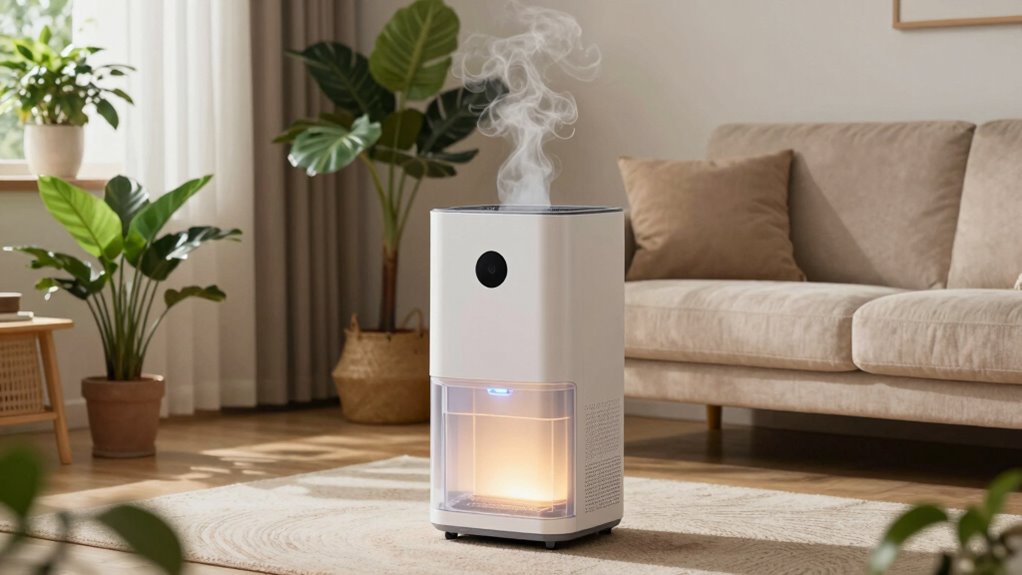
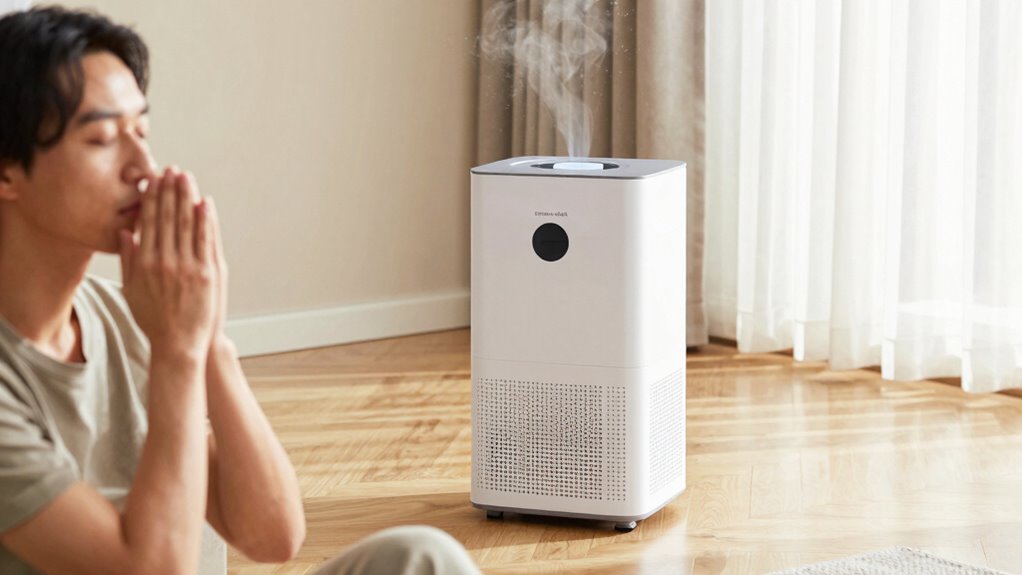
Dehumidifiers work by drawing moist air into their units, where a fan passes it over cold coils. This process cools the air, causing moisture to condense and drain away, which lowers indoor humidity. Improved air circulation helps distribute dry air evenly throughout the space, reducing stagnant spots where allergens can thrive. While dehumidifiers are effective, noise levels can vary depending on the model; some produce a gentle hum, others are louder. If noise bothers you, look for quieter options with sound-reducing features. Maintaining proper air circulation ensures consistent dehumidification, which helps prevent mold growth and dust accumulation. Proper air filtration in conjunction with dehumidification can further enhance indoor air quality. By effectively managing indoor humidity, your dehumidifier creates a less hospitable environment for many common allergens.

PuroAir Air Purifier 100i Smart HEPA Air Purifiers for Home Pets - Portable Small Air Purifier Filters up to 550 Ft² of Pollutants, Smoke, Pollen, Dust - Room Air Purifiers for Bedroom, Baby, Office
- Cleans up to 550 sq ft quickly: Cleans rooms up to 550 sq ft in one hour
- Advanced 3-layer filtration: Filters 99.9% of pollutants with HEPA, pre-filter, activated carbon
- Effective for allergies and pets: Reduces pet dander, hair, and indoor pollutants
As an affiliate, we earn on qualifying purchases.
Does Lowering Indoor Humidity Help Fight Mold and Dust Mites?
Lowering indoor humidity can make your home less inviting for mold and dust mites. These allergens thrive in damp environments, so controlling moisture levels is key. Keeping humidity between 30-50% can help reduce their habitats and minimize allergy symptoms. Additionally, using a dehumidifier can effectively maintain optimal humidity levels and further deter allergen growth.
Humidity and Mold Growth
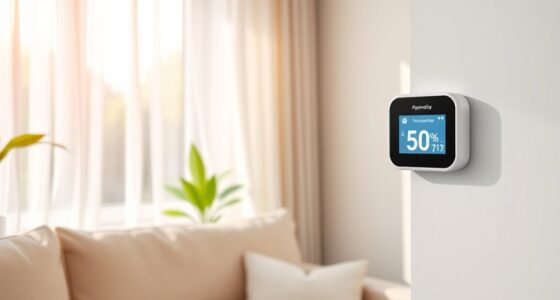
Controlling indoor humidity levels is essential because mold and dust mites thrive in damp environments. When humidity is high, mold spores find the perfect conditions to grow, especially on surfaces like walls, ceilings, and fabrics. Using humidity sensors helps you monitor moisture levels accurately, ensuring you keep indoor humidity below 60%. Good air circulation prevents stagnant, moist air from lingering, reducing mold’s ability to spread. Lower humidity makes surfaces less hospitable for mold spores, which need moisture to grow. While decreasing humidity is effective, it’s also important to address leaks and damp areas directly. Maintaining proper air flow and humidity levels with the help of sensors can substantially reduce mold growth, improving your indoor air quality and allergy symptoms. Additionally, understanding the role of air quality improvement and proper ventilation can further enhance your efforts against mold and dust mites. Implementing humidity control strategies tailored to your space can maximize these benefits. Regularly cleaning and removing mold-prone materials can also help create a healthier environment, as mold prevention is key to long-term success. Proper use of dehumidifiers and ensuring good ventilation practices can further aid in maintaining optimal humidity levels and reducing indoor allergens.
Dust Mite Habitats
Since dust mites thrive in humid environments, reducing indoor humidity can substantially diminish their habitats. Lower humidity levels make your home less inviting for these allergens, leading to effective allergen reduction. By maintaining humidity below 50%, you can greatly hinder dust mite survival and reproduction. This habitat elimination helps reduce dust mite populations, which are a common trigger for allergy symptoms. Using a dehumidifier is an efficient way to achieve and sustain these ideal moisture levels. Not only does this improve indoor air quality, but it also lessens the presence of dust mite allergens, providing relief for allergy sufferers. Proper battery maintenance ensures your dehumidifier operates efficiently and prolongs its lifespan. Additionally, understanding the environmental conditions that favor dust mites can help you implement more comprehensive allergen control strategies. Recognizing how indoor humidity influences dust mite proliferation enables targeted efforts to create a less hospitable environment for these pests. Implementing humidity control methods, such as using dehumidifiers and improving ventilation, can further reduce dust mite habitats effectively.
Optimal Humidity Levels
Maintaining the right indoor humidity levels not only reduces dust mite populations but also plays a significant role in preventing mold growth. Experts recommend keeping humidity between 30-50%, which can be monitored with humidity sensors for accuracy. When humidity rises above this range, mold spores thrive, and dust mites flourish, worsening allergy symptoms. To guarantee your dehumidifier works effectively, regular maintenance is essential—clean filters, check for leaks, and empty water tanks promptly. Proper dehumidifier maintenance keeps humidity levels steady and prevents mold from taking hold. Adjusting humidity settings based on sensor readings helps create a healthier indoor environment. Additionally, using free floating materials and design elements can improve air circulation and reduce moisture buildup. Incorporating ventilation systems can further enhance airflow and moisture control within your home. Understanding the importance of indoor air quality can help you make informed decisions about humidity management. Regularly inspecting building materials for signs of moisture damage can also prevent mold development. Staying vigilant about humidity levels and moisture sources is crucial in maintaining a mold-free and allergen-reduced space. By maintaining ideal humidity levels, you reduce allergen habitats and improve overall air quality, making your home more comfortable and allergy-friendly.

GoveeLife Smart Mini Air Purifier for Bedroom, with App & Alexa Control
- App & Voice Control: Control via App, Alexa, and IFTTT
- Effective Purification: Purifies 376 sqft room hourly
- Dual-Channel 360° Intake: Ensures thorough air purification
As an affiliate, we earn on qualifying purchases.
What Scientific Evidence Supports Using Dehumidifiers for Allergy Relief?
Scientific studies show that dehumidifiers can reduce mold growth and dust mites, both common allergy triggers. By lowering indoor humidity, you improve air quality and create a less hospitable environment for these allergens. This evidence suggests dehumidifiers can be an effective tool for allergy relief. Additionally, maintaining proper humidity levels can help prevent health issues related to indoor air quality, further supporting their use in allergy management. Proper humidity control also supports indoor plant health, which can enhance overall air purity and comfort. Implementing humidity regulation can also promote comfortable living environments, making daily life more pleasant for allergy sufferers. Moreover, controlling humidity levels can contribute to reducing mold proliferation, a significant factor in indoor allergies. Maintaining optimal humidity levels can also support natural wellness practices, creating a healthier indoor environment overall.
Mold Growth Reduction
Research shows that dehumidifiers can effectively reduce mold growth by lowering indoor humidity levels. When humidity stays below 50%, mold spores struggle to thrive, improving overall air quality. Mold needs moisture to grow, so reducing humidity through humidity control directly limits mold development on walls, ceilings, and other surfaces. This practice is especially important because male and female nails can be affected differently by humidity and moisture levels, impacting overall nail health. Maintaining proper humidity levels also helps prevent other building issues, such as peeling paint or warping wood. This can considerably lessen mold-related allergens in your environment, helping you breathe easier. Scientific studies support the idea that maintaining ideal humidity levels with dehumidifiers decreases mold presence, which is especially beneficial for allergy sufferers. By controlling moisture, you create a less hospitable environment for mold, ultimately reducing potential allergic reactions and improving indoor air quality. Proper humidity management is a key step in creating a healthier, mold-free living space.
Dust Mite Control
Dust mites thrive in humid environments, making controlling indoor moisture a crucial step in reducing their populations. Using dehumidifiers can lower humidity levels, making your home less inviting to these allergens. Proper humidity monitoring ensures you keep moisture at ideal levels, preventing dust mite growth. While dehumidifiers alone may not eliminate dust mites entirely, they contribute to creating an environment less conducive to their proliferation. Combining dehumidification with air purification can further reduce dust mite allergens in your space.
| Environment Factor | Impact on Dust Mites |
|---|---|
| High humidity | Increases dust mite populations |
| Low humidity | Limits dust mite growth |
| Air purification | Removes mite allergens |
| Humidity monitoring | Maintains ideal moisture |
Air Quality Improvement
Reducing indoor humidity not only limits dust mite growth but also improves overall air quality, which can considerably ease allergy symptoms. When humidity levels are controlled, airborne allergens like mold spores and pet dander decrease, making the air safer to breathe. Dehumidifiers help maintain ideal humidity levels, enhancing the benefits of air purifiers by reducing the presence of particles and irritants. This synergy improves air purifier benefits, creating a cleaner, healthier environment. Proper humidity control prevents mold growth and dampness, further reducing allergen sources. As a result, your indoor air becomes clearer and less likely to trigger allergic reactions. Maintaining *excellent* humidity levels is a simple yet effective way to boost your allergy relief strategy and improve your overall indoor air quality.
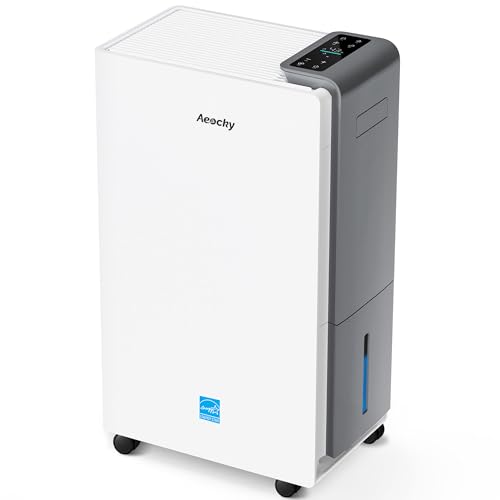
AEOCKY 4500 Sq.Ft Energy Star Most Efficient 2025 Dehumidifier Max 80Pint/D
- Certification: ENERGY STAR Most Efficient 2025
- Dehumidification Capacity: 80 pints per day in summer
- Coverage Area: Suitable for 4500 sq.ft spaces
As an affiliate, we earn on qualifying purchases.
How Much Can a Dehumidifier Reduce Common Allergens in Your Home?
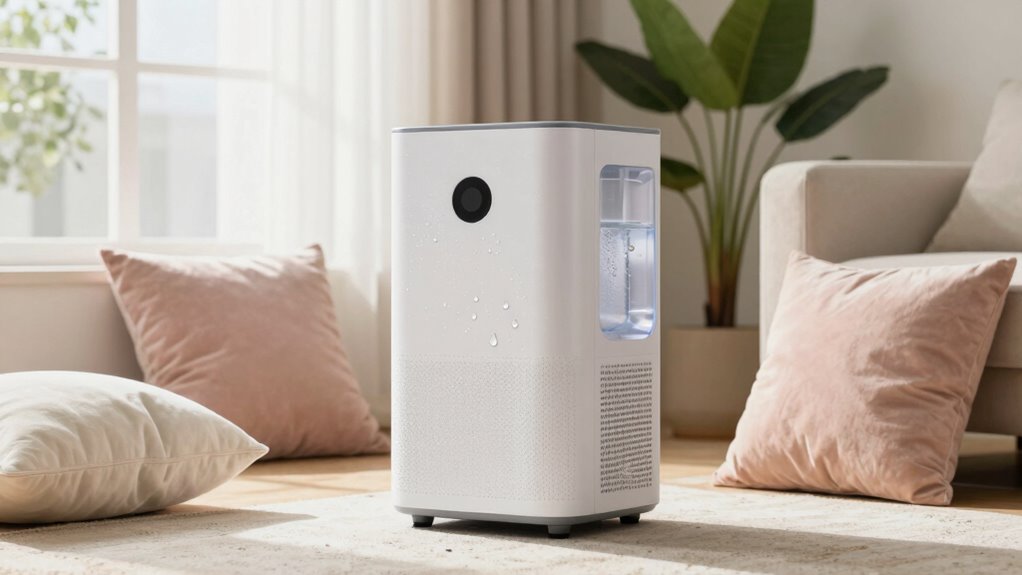
A dehumidifier can considerably cut down the levels of common allergens like mold spores, dust mites, and pet dander in your home. By reducing humidity, it limits the moisture that these allergens thrive on, making your environment less hospitable. While a dehumidifier alone may not eliminate all allergens, it boosts air purifier benefits by decreasing allergen particle size and concentration. You’ll likely notice fewer allergy symptoms when humidity stays below 50%. Keep in mind, effective allergen reduction depends on proper usage and maintenance.
- Lowers mold growth, reducing airborne mold spores
- Shrinks dust mite populations by drying out bedding and fabrics
- Lessens pet dander suspension in the air
- Complements air purifiers for cleaner, healthier air
What Are the Limitations and Risks of Using a Dehumidifier for Allergies?
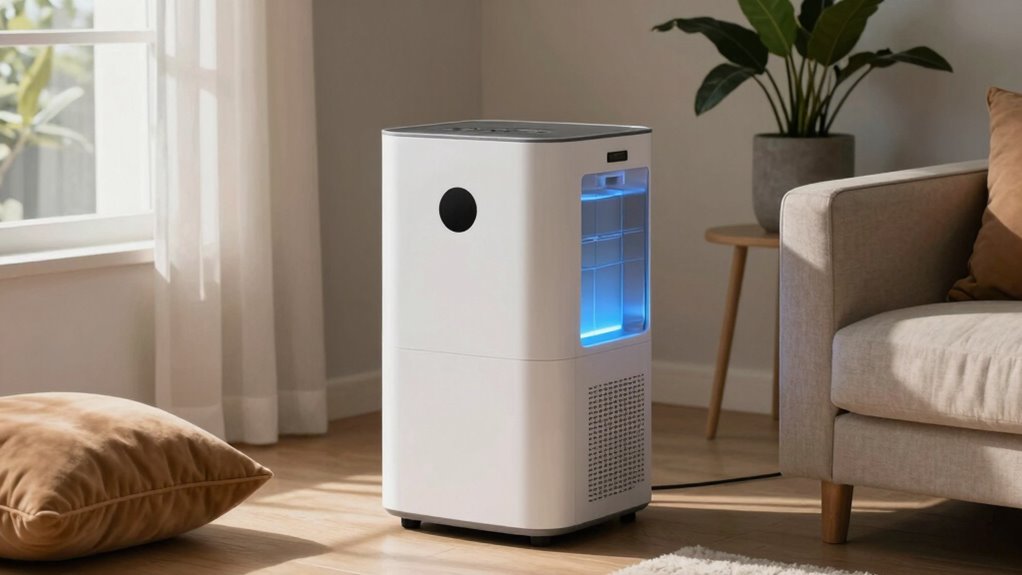
While dehumidifiers can help lower allergen levels, they also have limitations and potential risks you should know. One major concern is potential over drying, which can damage furniture, skin, or respiratory health if humidity drops too low. Additionally, electrical safety is vital; improper use or faulty units can cause shocks or fires.
Here’s a quick overview:
| Limitation/Risk | Explanation |
|---|---|
| Potential over drying | Excessively low humidity can harm your health and home materials |
| Electrical safety | Faulty wiring or misuse may lead to shocks or fires |
| Ineffective if not maintained | Dirty filters or full tanks reduce efficiency |
| Limited allergen removal | Only reduces, but doesn’t eliminate all allergens |
Stay cautious to maximize benefits and minimize risks.
How Can You Use a Dehumidifier Effectively to Support Allergy Symptoms?
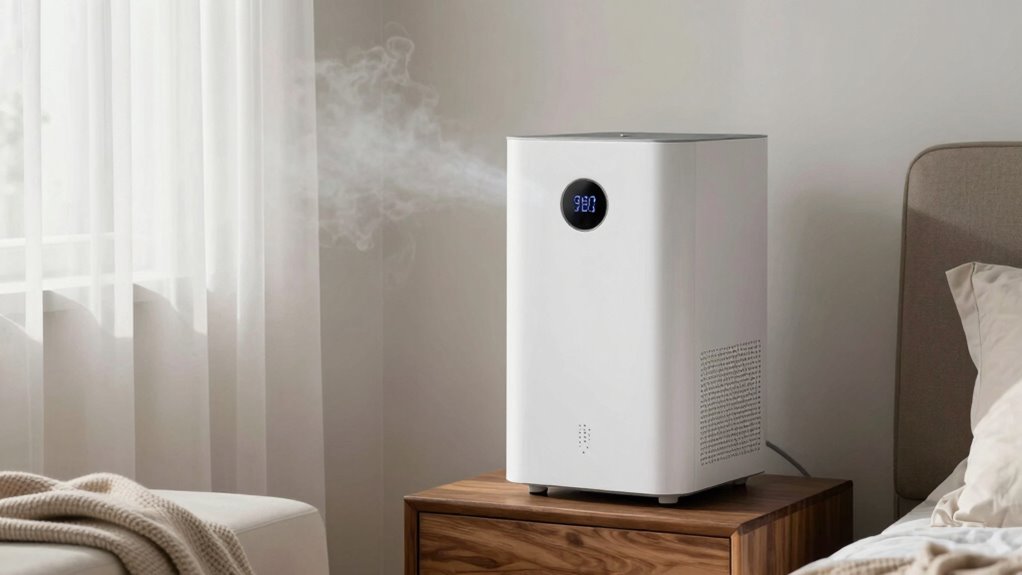
Using a dehumidifier effectively involves more than simply turning it on; it requires proper placement, setting the right humidity level, and regular maintenance. To support allergy symptoms, focus on ideal humidity control to reduce airborne allergens. Keep the device in central areas like bedrooms and living rooms, away from walls and furniture, for maximum airflow. Set the humidity level between 30-50% to inhibit mold growth and dust mite proliferation. Regularly clean or replace filters to maintain efficiency and prevent mold buildup. Additionally, empty water tanks frequently to avoid mold and bacteria. These steps help ensure your dehumidifier consistently reduces airborne allergens, creating a less hospitable environment for allergy triggers and improving your overall comfort.
How Do Dehumidifiers Compare to Other Allergy Management Strategies?
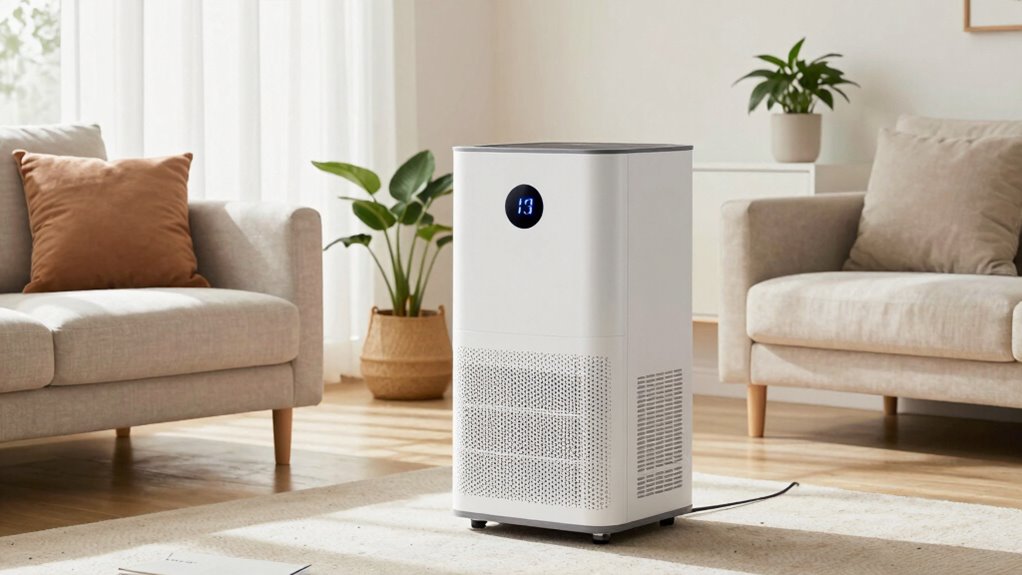
Dehumidifiers play a key role in allergy management by reducing indoor humidity and limiting mold, dust mites, and other airborne allergens. However, they are just one part of effective allergen reduction strategies. Air purifiers, for example, offer benefits by filtering out pollen, pet dander, and airborne particles that dehumidifiers might miss. Combining both can maximize symptom relief. Here’s how they compare:
| Strategy | Main Benefit | Limitations |
|---|---|---|
| Dehumidifiers | Reduce mold and dust mites through humidity control | Less effective against airborne particles |
| Air Purifiers | Remove allergens like pollen and pet dander | Do not control humidity levels |
| Regular Cleaning | Minimize dust and pet dander buildup | Time-consuming |
| HEPA Filters | Trap small airborne particles | Require maintenance and replacement |
| Ventilation | Improve air quality with fresh air | Can introduce outdoor allergens |
What Should You Consider Before Buying a Dehumidifier for Allergies?
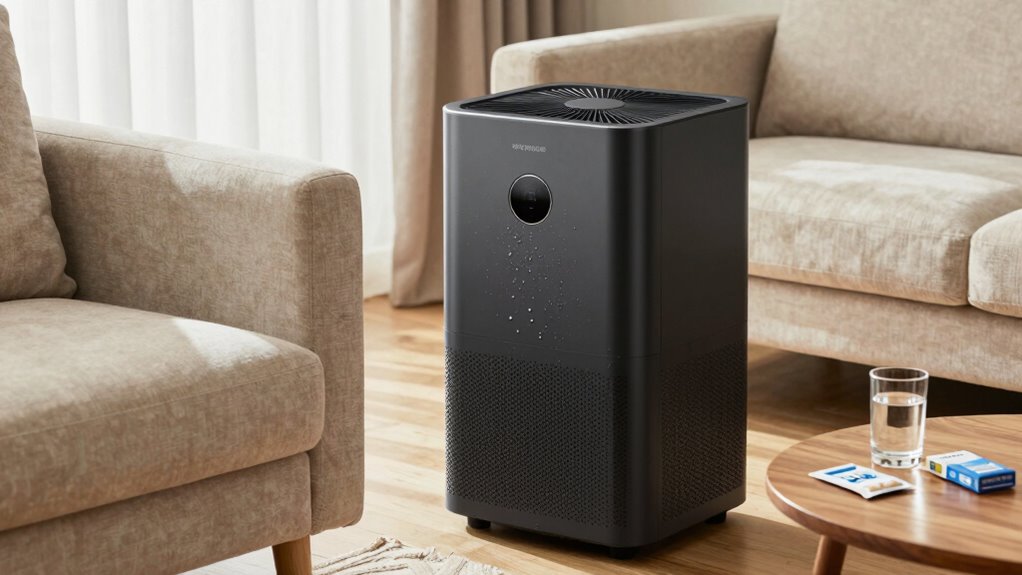
Before purchasing a dehumidifier to help manage your allergy symptoms, it’s important to contemplate several key factors. First, consider the air purifier benefits that can complement humidity control, creating a healthier environment. Second, be aware of humidity myths—many believe lowering humidity cures all allergies, but it’s not that simple. Third, check the capacity of the unit to ensure it matches your room size. Fourth, look for features like easy filters and adjustable humidity settings for convenience. Keep in mind that a dehumidifier alone might not address all allergens; combining it with other strategies is more effective. By understanding these considerations, you’ll make a more informed choice that truly supports allergy relief.
Frequently Asked Questions
Are There Specific Dehumidifier Features Best for Allergy Sufferers?
Yes, you should look for a dehumidifier with a high-quality air filter and precise humidity control. An effective air filter traps dust, mold spores, and allergens, while adjustable humidity settings help keep moisture levels ideal—around 30-50%. This combination reduces allergens in your home, making breathing easier. Choose a unit that’s easy to maintain and clean to guarantee it continues working effectively for allergy relief.
Can Dehumidifiers Help With Pet Dander Allergies?
Did you know that pet dander is one of the leading indoor allergens? Dehumidifiers can indeed help with pet dander allergies by reducing humidity, which inhibits mold growth and dust mites. For maximum relief, consider using a dehumidifier alongside an air purifier synergy to trap dander particles. Incorporate mold prevention strategies like regular cleaning and controlling moisture to create a healthier environment and lessen allergy symptoms effectively.
How Often Should I Maintain My Dehumidifier for Allergy Benefits?
You should perform regular maintenance on your dehumidifier every 1 to 3 months to guarantee allergy benefits. Follow the maintenance schedule recommended by the manufacturer, which typically includes cleaning the water collection bucket and replacing filters as needed. Regular filter replacement helps keep the unit running efficiently and prevents mold or dust buildup, ultimately improving air quality and reducing allergy symptoms.
Are There Health Risks Associated With Overly Low Humidity Levels?
Yes, overly low humidity levels can pose health risks. When humidity drops too far, it creates a humidity imbalance that can dry out your skin, irritate your respiratory system, and increase susceptibility to infections. Additionally, low humidity can promote mold growth in certain conditions, which ironically worsens allergies and asthma. To stay safe, aim for a balanced humidity level around 40-50%, and monitor it regularly.
Do Dehumidifiers Effectively Reduce Indoor Pollen Levels?
Yes, dehumidifiers can help reduce indoor pollen levels through humidity control and pollen filtration. By lowering humidity, they create an environment less hospitable for pollen to settle and spread. Many models include filters that trap pollen particles, further improving indoor air quality. Keep in mind, regular maintenance and choosing a dehumidifier with effective pollen filtration enhance their ability to reduce pollen and improve allergy symptoms indoors.
Conclusion
Think of a dehumidifier as a gentle gatekeeper, slightly closing the door to allergens and mold. It’s not a magic wand, but a steady hand guiding your home toward balance. By controlling moisture, you’re watering down the environment where allergens thrive. Remember, it’s just one part of your allergy toolkit—like tuning an instrument, every piece matters. Keep your efforts consistent, and you’ll find your home becoming a more comfortable haven.