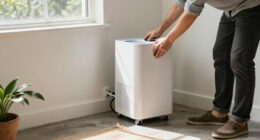
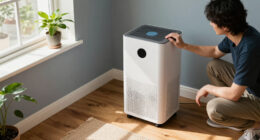
After rain, your asthma triggers can become more complex than they seem. Rain increases indoor humidity, promoting mold and dust mites that can worsen symptoms, especially if your ventilation isn’t effective. Outside, wet pollen can break into smaller particles, making allergies more likely. Opening windows might seem helpful but can let in outdoor spores. Understanding how indoor moisture and outdoor allergen surprises combine will help you better manage your asthma during and after rainy days.

Get home appliances delivered free with Prime
- Fast, free delivery on millions of items
- Prime Video, Amazon Music and more included
- Member-only deals all year
Key Takeaways
- Rain increases indoor humidity, promoting mold growth and dust mites, which can trigger asthma symptoms.
- Post-rain, smaller pollen particles can remain airborne longer, intensifying allergy and asthma risks.
- Opening windows after rain may let in outdoor allergens, worsening indoor air quality.
- Poor ventilation and cleaning can cause indoor allergens to accumulate and become airborne.
- Managing indoor humidity and cautious ventilation are essential to reduce asthma triggers after rain.

After rainy days, many people with asthma notice their symptoms worsen, and for good reason. Rain impacts the environment in ways that can make asthma symptoms more intense and harder to manage. One key factor is indoor air quality. When it rains, the moisture often leads to increased humidity inside your home, which can promote mold growth and dust mite proliferation. These allergens linger in the air and can trigger asthma attacks even if you’re not outside. Poor indoor air quality after rain means you might find yourself more prone to coughing, wheezing, or shortness of breath, especially if your ventilation isn’t adequate or if you haven’t cleaned your living space thoroughly. Additionally, controlling indoor humidity plays a crucial role in preventing these allergens from becoming airborne and exacerbating symptoms. Ensuring proper ventilation systems can help reduce indoor moisture and improve air circulation, further lowering the risk of triggers.
Rain increases indoor humidity, promoting mold and dust mites that trigger asthma symptoms even indoors.
Meanwhile, outdoor pollen levels are also affected by rain, but not always in predictable ways. Many assume that rainfall clears pollen from the air, but in reality, the story is more complicated. After the rain stops, pollen levels can actually spike. Wet pollen grains can break apart into smaller particles that stay airborne longer, making it easier for you to inhale them deep into your lungs. This sudden increase in pollen levels can be an unexpected trigger, especially during peak allergy seasons. Even if you’ve been careful about staying indoors, these tiny particles can infiltrate through open windows or ventilation systems, raising your risk of an asthma flare-up.
The interplay between indoor air quality and outdoor pollen levels makes post-rainy days particularly tricky. You might think that staying inside shields you from outdoor triggers, but if your indoor air quality isn’t controlled, you’re still vulnerable. Mold spores and dust mites thrive in humid environments, and these can become airborne quickly after rain. If you’re not using dehumidifiers or air purifiers, these allergens can accumulate, worsening your breathing difficulties. Additionally, if you open windows to let the fresh air in, you might inadvertently invite pollen and mold spores indoors, creating a perfect storm of triggers. Recognizing the impact of humidity on asthma can help you take more effective precautions during these times. Being aware of indoor air quality and managing it properly can significantly reduce your risk of triggers after rain. Understanding the effect of environmental factors on asthma symptoms can further help you adapt your approach to managing triggers during these unpredictable conditions. Taking these environmental influences into account can help you develop a comprehensive strategy for better asthma management.
As an affiliate, we earn on qualifying purchases.
Frequently Asked Questions
How Long Do Asthma Triggers Typically Last After Rain?
Asthma triggers can last from a few hours to several days after rain, depending on humidity levels and pollen dispersion. High humidity keeps mold spores and other allergens airborne longer, prolonging your symptoms. Pollen may also be released during and after rain, increasing your exposure. To minimize effects, monitor local pollen counts and humidity, and stay indoors when levels are high. Your asthma may be more reactive until these environmental factors settle.
Can Weather Changes Worsen Asthma Symptoms Suddenly?
Yes, weather changes can suddenly worsen your asthma symptoms. As outdoor conditions shift, indoor air quality may decline, and pollen levels can spike unexpectedly. These fluctuations can trigger airway inflammation and make breathing difficult. You need to stay vigilant, monitor weather updates, and improve indoor air quality by using air purifiers and keeping windows closed during high pollen seasons. Preparing ahead helps you manage symptoms and breathe easier.
Are There Specific Rainy Season Patterns Affecting Asthma?
Yes, during the rainy season, mold growth accelerates and pollen dispersal becomes more unpredictable, both of which can trigger asthma symptoms. You’ll notice increased asthma issues when humidity rises and rain promotes mold in damp areas, while pollen particles spread more widely after rain, especially during dry spells. Staying indoors, keeping windows closed, and using air purifiers can help reduce your exposure to these seasonal triggers.
Do Outdoor Activities Increase Asthma Risks Post-Rain?
Yes, outdoor activities post-rain can increase your asthma risks. Pollen levels often spike after rain, especially during the rainy season, making outdoor air more allergenic. Mold growth also accelerates on damp surfaces, releasing spores that can trigger asthma symptoms. When you’re outside after rain, you’re more likely to encounter these environmental triggers, so it’s best to limit strenuous activities or take precautions like wearing a mask.
How Can I Prevent Asthma Attacks After Rainy Weather?
To prevent asthma attacks after rainy weather, focus on improving indoor air quality and monitoring pollen levels. Keep windows closed to prevent pollen from entering, and use an air purifier if possible. Avoid outdoor activities during high pollen seasons, especially after rain when pollen counts are elevated. Regularly clean your home to reduce mold and dust, and always carry your inhaler as a precaution. Staying vigilant helps keep your asthma under control.
dehumidifier for indoor humidity control
As an affiliate, we earn on qualifying purchases.
As an affiliate, we earn on qualifying purchases.
Conclusion
So, next time you brace for rain, remember it’s not just the wet weather you should worry about. The very storm that refreshes the earth can turn into a sneaky trigger, challenging your asthma in surprising ways. Ironically, what seems like a simple weather change can become a complex puzzle, demanding your vigilance. So, enjoy the rain, but stay prepared—your lungs just might thank you for it. After all, who knew that a rainy day could be so tricky?
As an affiliate, we earn on qualifying purchases.
As an affiliate, we earn on qualifying purchases.
Cold & flu season Picks
humidifiers
As an affiliate, we earn on qualifying purchases.