TL;DR

Get home appliances delivered free with Prime
- Fast, free delivery on millions of items
- Prime Video, Amazon Music and more included
- Member-only deals all year
Homeowners planning attic insulation should take steps to protect existing fiber insulation. Experts recommend sealing and covering fibers to prevent damage and health issues. This guide outlines confirmed procedures and what remains uncertain.
Homeowners and contractors should take specific precautions to protect existing fiber insulation before beginning attic insulation work. Experts confirm that sealing and covering fibers reduces damage and health risks during upgrades, making these steps essential for safe, effective insulation improvements.
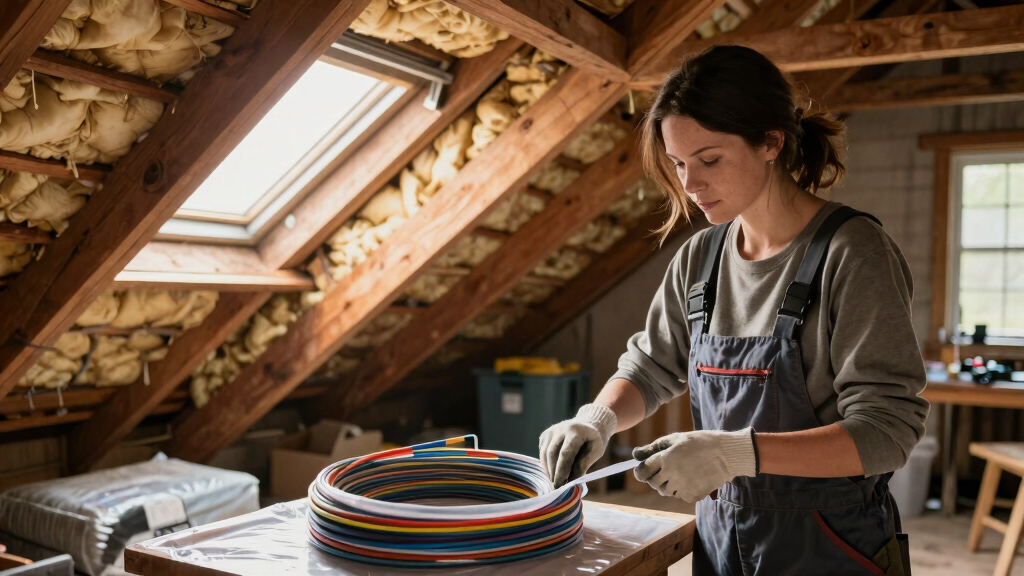
Protecting existing fiber insulation involves sealing gaps, covering fibers with appropriate materials, and handling insulation carefully. Experts advise sealing cracks and openings to prevent fibers from becoming airborne during work. Covering fibers with plastic sheeting or specialized insulation barriers helps contain fibers and prevents contamination of living spaces.
It is also recommended to wear proper PPE, such as masks and gloves, when handling or working near fiber insulation. Contractors should shut off power and ventilate the attic to minimize fiber disturbance. These confirmed practices help maintain indoor air quality and prevent fiber dispersal.
Why Proper Protection During Attic Insulation Matters
Implementing these protection methods is crucial for maintaining indoor air quality, safeguarding health, and preventing damage to existing insulation. Proper precautions can save homeowners from costly repairs and health issues caused by fiber dispersal. These steps also ensure compliance with safety standards and improve overall insulation effectiveness.
Products Worth Considering

Levoit Core 400S-P Smart Air Purifier for Large Rooms

Sonos Arc Ultra Soundbar with Dolby Atmos, Black

eufy Security E30 4K Indoor Pan and Tilt Camera, 2-Pack
As an affiliate, we earn on qualifying purchases.
Attic Insulation Upgrades and Fiber Insulation Risks
Many homeowners upgrade attic insulation to improve energy efficiency. Existing fiber insulation, often made of fiberglass or mineral wool, can become airborne if disturbed improperly. Experts note that fibers can pose respiratory health risks and reduce insulation effectiveness if damaged. Common practice recommends sealing and covering fibers before adding new insulation layers, but specific procedures vary.
“Sealing cracks and covering fibers are essential steps to prevent fibers from dispersing during insulation work.”
— an anonymous researcher
Unclear Aspects of Fiber Protection Procedures
While sealing and covering fibers are recommended, there is no universally standardized method, and best practices may vary based on insulation type and attic configuration. The effectiveness of specific protective coverings or sealing products has not been formally tested across all scenarios, leaving some uncertainty about optimal procedures.
Next Steps for Homeowners and Contractors
Homeowners should consult with insulation professionals to determine the most effective protection measures for their specific attic setup. Contractors are encouraged to follow established safety guidelines and document their procedures. Future research may provide clearer standards for fiber protection, but current best practices focus on sealing, covering, and PPE.
Key Questions
What materials are best for covering existing fiber insulation?
Plastic sheeting or specialized insulation barriers are commonly recommended to contain fibers during attic work.
Do I need to wear protective gear when handling attic insulation?
Yes, wearing masks, gloves, and eye protection is advised to prevent fiber inhalation and skin irritation.
Can I do this myself, or should I hire a professional?
While DIY is possible with proper precautions, hiring a professional ensures adherence to safety standards and effective protection measures.
Are there specific products recommended for sealing cracks in the attic?
Sealants like foam or caulk are effective for sealing gaps, but consult with a professional for the best options based on your attic’s condition.
What health risks are associated with disturbed fiber insulation?
Fibers can cause respiratory irritation and other health issues if inhaled, making containment and PPE essential during work.
Source: r/HomeImprovement