
A thorough crawl space walkthrough helps you catch moisture, pest, and structural issues early, especially with the summer humidity on the way. By checking for standing water, mold, and damaged insulation, you can take steps to prevent future problems. Sealing gaps and ensuring proper ventilation reduce pest risks and improve air quality. Staying vigilant now means fewer surprises later—keep exploring for practical tips to keep your home safe and sound all season long.
Key Takeaways
- Regular crawl space inspections identify moisture issues and pest activity early, preventing summer-related structural damage.
- Checking for mold, damp insulation, and standing water helps maintain a healthy, dry environment before hot weather.
- Ensuring vents are clear and ventilation is effective reduces humidity buildup during summer months.
- Sealing cracks and gaps prevents pest entry and protects the home from summer infestations.
- Addressing support and foundation issues early safeguards against summer-related structural stress.

A crawl space is a hidden yet essential part of your home that often gets overlooked, but inspecting it thoroughly can prevent costly issues down the line. As the weather warms up and summer approaches, it’s the perfect time to give your crawl space a careful walkthrough. This proactive check helps you catch problems early, before they turn into major repairs or health hazards. Start by entering the space carefully, making sure there’s proper lighting so you can see all areas clearly. Your main focus should be on moisture control and pest prevention, both of which can cause significant damage if disregarded.
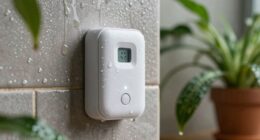
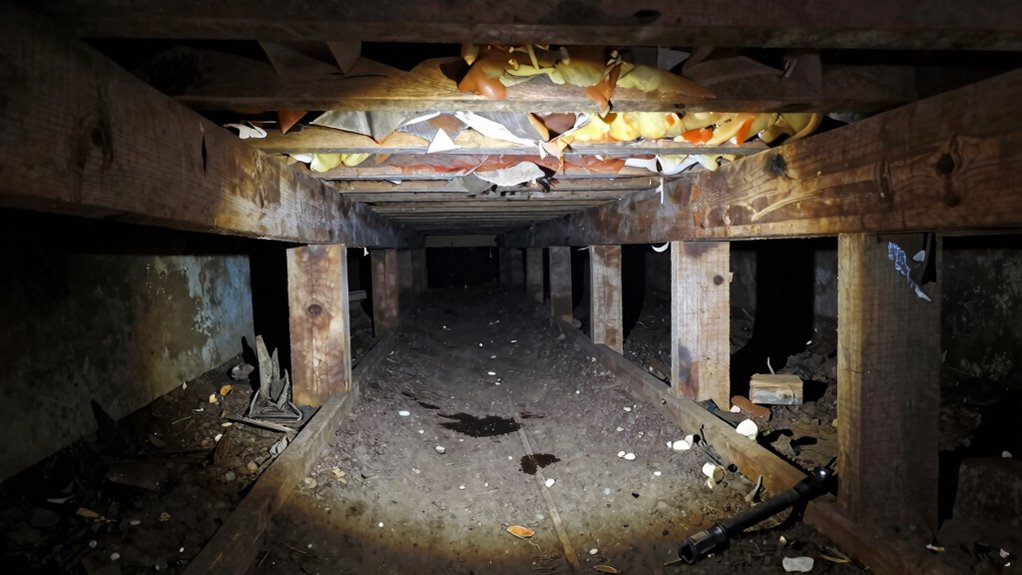
Check the ground beneath your home for excess moisture. Look for standing water, damp insulation, or mold growth. Excess moisture can lead to wood rot, weaken your foundation, and create a perfect environment for mold spores to thrive. If you notice high humidity or standing water, consider installing a vapor barrier or a dehumidifier to regulate moisture levels. Proper moisture control not only protects your home’s structure but also improves indoor air quality. Additionally, understanding the importance of moisture management can help you make more informed decisions about your home’s health. Recognizing and controlling humidity levels is a crucial part of biodiversity in your home environment, as it directly impacts the presence of pests and mold.
Inspect for standing water, damp insulation, and mold to prevent damage and improve air quality.
Next, inspect the insulation. Wet or compressed insulation isn’t effective and can trap moisture, making pest problems worse. Replace or repair damaged insulation to keep your crawl space dry and energy-efficient. While you’re down there, examine the vents and vent screens. Ensure vents are open and unobstructed to promote good airflow, which helps prevent moisture buildup. Proper ventilation is key to keeping your crawl space dry, especially during humid months. Regular inspections can also help you identify early signs of pest activity or structural issues, and understanding ventilation techniques can enhance your prevention efforts.
Pest prevention is another critical aspect. Look for signs of rodents, insects, or other critters. Check for droppings, gnaw marks, or nests. Pay close attention to corners, pipes, and any cracks or gaps in the foundation walls. Seal any openings you find with appropriate materials to block pests from entering. Keeping pests out not only protects your home’s structure but also prevents disease transmission and contamination. Using pest-proofing techniques can significantly reduce the risk of infestations.
Finally, inspect the overall condition of the crawl space’s support beams and foundation walls. Look for signs of damage, such as cracks, sagging, or wood rot. Address any issues promptly to avoid more serious structural problems later. Regular inspections, especially before summer, ensure you catch issues early. By focusing on moisture control and pest prevention during your walkthrough, you’re safeguarding your home, saving money on repairs, and maintaining a healthier living environment for you and your family.

ALORAIR 10 mil Crawl Space Vapor Barrier 10' x 100' Plastic Sheeting
- Size: 10' x 100' heavy-duty plastic sheet
- Thickness: 10 mil vapor barrier
- Durability: Heavy-duty polyethylene with anti-aging additives
As an affiliate, we earn on qualifying purchases.
As an affiliate, we earn on qualifying purchases.
Frequently Asked Questions
How Often Should I Inspect My Crawl Space?
You should inspect your crawl space at least once a year, ideally in spring or fall. During your inspection, check for moisture, mold, or pest issues. Consider ventilation improvements to reduce humidity and prevent mold growth. If your insulation is old or damaged, an insulation upgrade can improve energy efficiency. Regular inspections help identify problems early, saving you money and preventing bigger issues during summer or winter months.
Can Pests Live in a Crawl Space?
Yes, pests can live in your crawl space. They often find entry points and thrive in dark, damp environments. To prevent this, focus on pest prevention by sealing cracks and gaps to stop pest entry. Regular inspections help catch signs of pests early, so you can address issues before they worsen. Keeping your crawl space dry and well-maintained also discourages pests from settling in and causing damage.
What Signs Indicate Water Damage in a Crawl Space?
About 60% of home issues stem from hidden water damage. You’ll notice signs like damp or moldy insulation, a musty smell, or visible stains on beams. Moisture intrusion causes structural deterioration, weakening your crawl space’s integrity. Look for warped or rotted wood, rusted metal, or pooling water. Catching these signs early can prevent costly repairs and protect your home’s foundation before summer’s heat worsens the damage.
Is Mold Common in Crawl Spaces?
Yes, mold is common in crawl spaces, especially if moisture control isn’t managed properly. Poor ventilation strategies trap humidity, creating a perfect environment for mold growth. To prevent this, you should make certain of adequate ventilation and consider moisture barriers. Regular inspections help you spot mold early before it spreads, protecting your home’s foundation and indoor air quality. Properly maintaining ventilation and moisture levels keeps your crawl space dry and mold-free.
Should I Hire a Professional for Crawl Space Inspection?
Yes, you should hire a professional for your crawl space inspection. They can thoroughly assess the space for issues like mold, pests, or insulation problems. Experts can also recommend ventilation improvements to reduce moisture and improve airflow, helping to keep your home healthier. Professionals have the tools and experience to identify hidden hazards, ensuring your crawl space stays dry and damage-free, ultimately safeguarding your entire home.

ALORAIR 70 PPD Dehumidifier with Pump for Crawl Space and Basement
- Dehumidification Capacity: 35 pints/day at AHAM, 70 pints at saturation
- Coverage Area: Up to 1,000 sq ft
- Versatile Use: Suitable for basements, crawl spaces, bathrooms, and more
As an affiliate, we earn on qualifying purchases.
As an affiliate, we earn on qualifying purchases.
Conclusion
By regularly inspecting your crawl space, you’re planting seeds of prevention that grow strong against summer’s heat and humidity. Think of it as giving your home a health check-up—catching issues early keeps them from blossoming into bigger problems. With a keen eye and a proactive approach, you’ll keep your space dry and safe, turning potential trouble into nothing more than a distant memory. Stay vigilant, and your home will thank you for it all season long.

Hot Shot No-Pest Strip, Kills Flying And Crawling Insects, Penetrating Vapor, 1 Pack
- Net Weight: 2.29 oz.
- Odorless Vapor: Kills flying and crawling bugs
- Hanging or Standing: Includes hook or stand
As an affiliate, we earn on qualifying purchases.
As an affiliate, we earn on qualifying purchases.

Whitecap Crawl Space Vapor Barrier Encapsulation Kit – 20 Mil Woven Barrier for 1,200 Sq. Ft., Vapor Barrier Tape, Butyl Tape & Installation Fasteners Included
- Coverage Area: Covers 1,200 sq. ft.
- Barrier Thickness: 20 mil woven vapor barrier
- Durability: Tear and puncture resistant
As an affiliate, we earn on qualifying purchases.
As an affiliate, we earn on qualifying purchases.