TL;DR

Get home appliances delivered free with Prime
- Fast, free delivery on millions of items
- Prime Video, Amazon Music and more included
- Member-only deals all year
Cleaning experts recommend reducing cleaning frequency for specific household items to prevent damage and improve longevity. This shift challenges common cleaning habits and offers practical tips.
Cleaning experts are now advising homeowners to reduce or eliminate cleaning efforts on certain household items, contradicting traditional advice that emphasizes frequent cleaning. This guidance aims to prevent damage and extend the lifespan of these items, marking a notable shift in household maintenance practices.
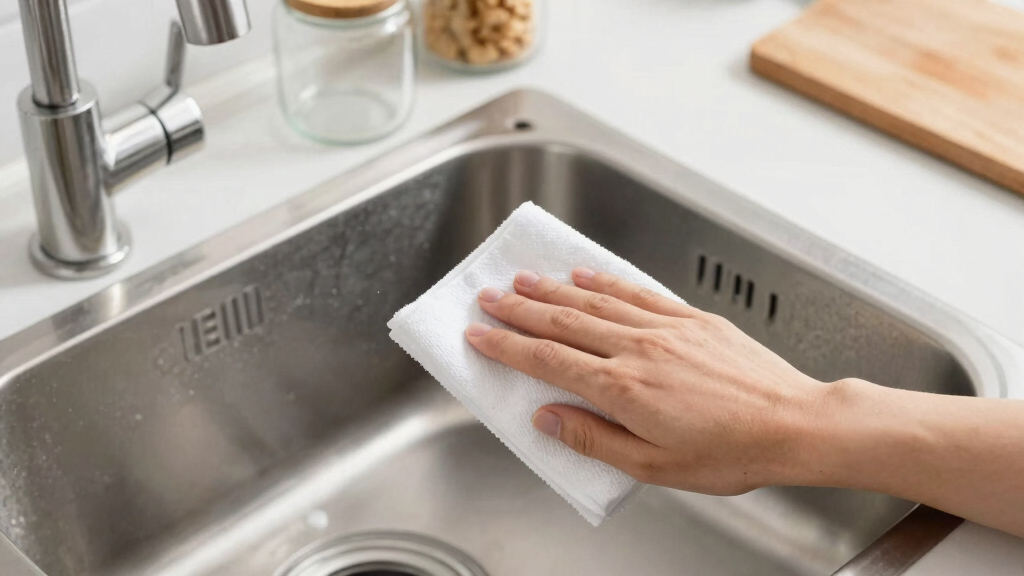
According to recent advice from cleaning professionals, 10 common household items—including wooden cutting boards, leather furniture, and electronic screens—should be cleaned less often or not at all. The guidance emphasizes that over-cleaning can cause damage, such as stripping natural oils or causing wear.
For example, experts recommend wiping leather furniture only when visibly dirty, rather than regular cleaning, to preserve its quality. Similarly, electronic screens should be cleaned sparingly with a soft, dry cloth to avoid damaging delicate surfaces. The advice is supported by industry specialists who warn that excessive cleaning can accelerate deterioration.
This approach encourages consumers to reconsider ingrained habits, potentially reducing time and effort spent on household chores while protecting valuable items.
Why Reducing Cleaning Matters for Household Longevity
This shift in cleaning advice matters because it can help prevent unnecessary damage to household items, saving consumers money and effort over time. Over-cleaning can strip protective coatings, damage delicate surfaces, or accelerate wear, leading to more frequent replacements or repairs. By adopting these recommendations, homeowners can extend the lifespan of furniture, electronics, and other household essentials, contributing to more sustainable and cost-effective maintenance routines.
As an affiliate, we earn on qualifying purchases.
Recent Changes in Household Cleaning Recommendations
Traditionally, households have been encouraged to clean frequently to maintain hygiene and appearance. However, recent expert opinions and studies suggest that certain items actually benefit from less frequent cleaning. This advice aligns with broader movements toward sustainable living and reducing unnecessary consumer waste. The shift is also reflected in updated guidelines from some cleaning professionals and industry groups, emphasizing preservation over excessive cleaning.
screen cleaning cloth for electronics
As an affiliate, we earn on qualifying purchases.
As an affiliate, we earn on qualifying purchases.
Uncertainties About Specific Items and Long-Term Effects
While experts agree on general principles, there is limited long-term research on the effects of infrequent cleaning for some items. It remains unclear how these recommendations apply across different environments or for items with varying usage levels. Consumer habits and individual circumstances may influence the effectiveness of these guidelines, and more studies are needed to confirm optimal cleaning frequencies.
As an affiliate, we earn on qualifying purchases.
Next Steps in Household Cleaning Practices and Research
Moving forward, industry groups and consumer organizations are expected to develop more detailed guidelines based on ongoing research. Manufacturers of cleaning products and household items may also update their recommendations to reflect these insights. Consumers are encouraged to adopt a more mindful approach, balancing cleanliness with preservation, and to stay informed about evolving best practices.
As an affiliate, we earn on qualifying purchases.
Key Questions
Which household items should I clean less often?
Experts suggest reducing cleaning frequency for items like leather furniture, electronic screens, wooden cutting boards, and certain textiles. Always follow specific care instructions for each item.
Will cleaning less frequently affect hygiene and safety?
In many cases, infrequent cleaning does not compromise hygiene, especially if items are only cleaned when visibly dirty. For electronic devices and delicate surfaces, minimal cleaning is recommended to avoid damage.
Are there risks to not cleaning certain items regularly?
Some items may accumulate dirt or bacteria if not cleaned periodically. It’s important to identify which items require occasional cleaning to maintain safety and hygiene.
How can I tell if I am over-cleaning my household items?
If cleaning causes visible wear, damage, or diminishes the item’s appearance or function, it may be a sign of over-cleaning. Follow manufacturer care guidelines and use gentle methods.
Source: rss
Fall Picks
fall essentials
As an affiliate, we earn on qualifying purchases.