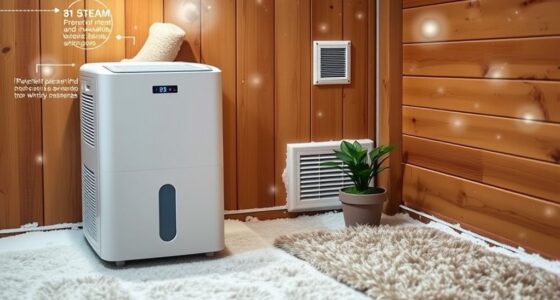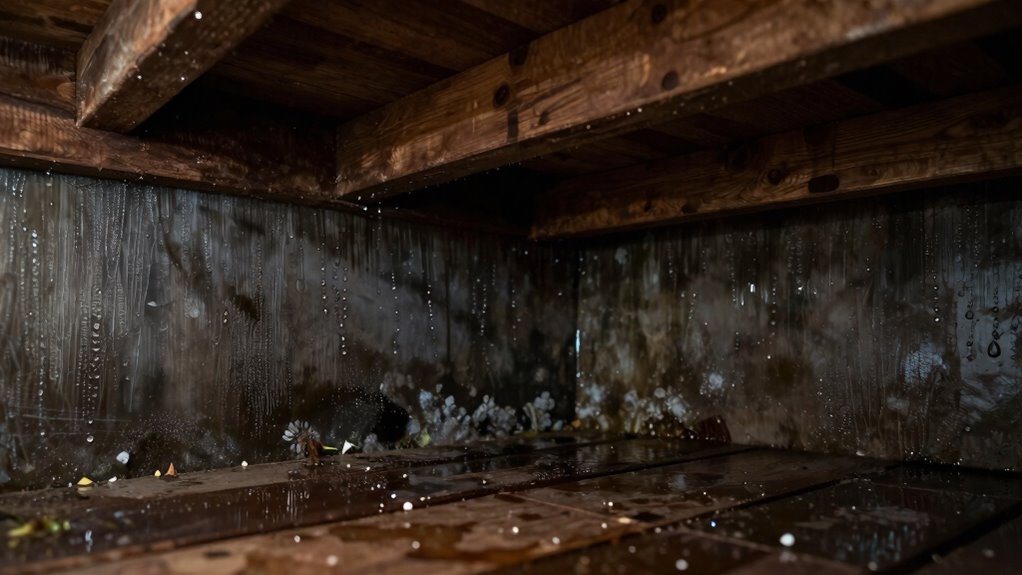

Under-stair closets tend to trap moisture more easily because they are small, enclosed spaces with poor airflow. Since they often lack proper ventilation, humidity from humidity or damp items doesn’t escape, creating ideal conditions for mold and wood decay. External factors like leaks or drainage problems can make things worse. To prevent damage, you need to improve airflow and use moisture-resistant materials. If you keep exploring, you’ll learn effective ways to manage moisture and protect your space.

Get home appliances delivered free with Prime
- Fast, free delivery on millions of items
- Prime Video, Amazon Music and more included
- Member-only deals all year
Key Takeaways
- Under-stair closets are small, enclosed spaces with limited airflow, increasing moisture retention.
- Poor ventilation design in these areas prevents moisture from escaping, leading to higher humidity levels.
- Compact spaces trap damp air from stored items, promoting mold and wood decay more readily.
- Insufficient insulation and sealing can cause condensation, worsening moisture buildup.
- External factors like inadequate drainage contribute to moisture intrusion in under-stair storage spaces.
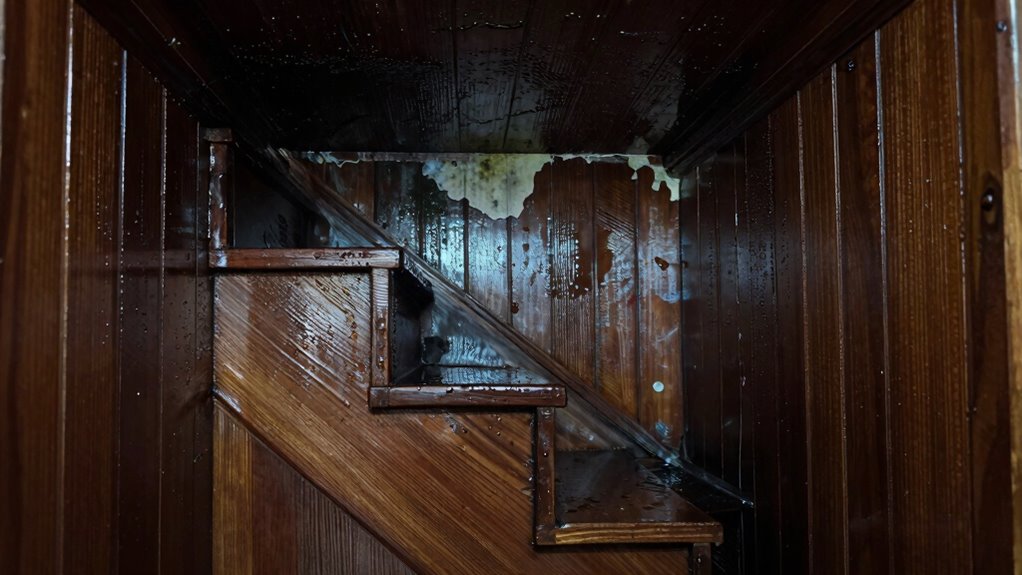
Under-stair closets may seem like clever storage solutions, but they often trap moisture that can lead to mold and structural damage. These spaces are typically small, enclosed, and poorly ventilated, making them prime spots for moisture buildup. When you store items there, especially if they are damp or humid, you create a perfect environment for mold growth and wood decay. Without proper ventilation improvements, moisture cannot escape, and the air inside remains stagnant, exacerbating the problem. This is why addressing ventilation is essential when designing or renovating under-stair storage areas. Installing vents or small exhaust fans can considerably reduce humidity levels, helping to keep the space dry and mold-free.
Under-stair closets trap moisture, risking mold and structural damage without proper ventilation and moisture control.
Using moisture resistant materials is another effective way to prevent damage. When you choose moisture-resistant drywall, treated wood, or plastic shelving instead of traditional wood or fabric, you create a barrier against moisture infiltration. These materials are less likely to rot or develop mold, even if some humidity remains. Applying sealants or vapor barriers to walls and floors further enhances protection, minimizing the chances of water seeping into the structure. Combining these moisture resistant materials with improved ventilation ensures that the area stays dry and safe for storage. Additionally, incorporating proper insulation can help control temperature fluctuations that lead to condensation, further reducing moisture issues. Proper ventilation systems are crucial in maintaining a healthy environment and preventing long-term damage. Regular maintenance of these systems helps ensure continuous airflow and moisture control.
You might also consider inspecting and sealing any existing leaks or cracks that could allow water into the space. Addressing these issues early prevents excess moisture from entering and compounding problems. If your under-stair closet is prone to humidity because of poor external drainage or condensation, you’ll want to improve those external factors as well. Proper insulation and sealing around pipes or vents can help prevent condensation, which often contributes to moisture issues. Additionally, understanding the importance of moisture barriers can further protect the space from water intrusion. Being proactive in moisture management is essential for long-term preservation of your storage area. Regularly checking the space for signs of mold, dampness, or musty odors is vital. If you notice any of these, take immediate action by increasing airflow or using dehumidifiers.
Implementing moisture control strategies can also include the use of moisture meters to monitor humidity levels and prevent unnoticed problems from escalating. Proper maintenance, combined with moisture resistant materials and ventilation improvements, can extend the lifespan of your storage area and protect your belongings. Remember, the goal is to keep the space dry and well-ventilated, reducing the risk of moisture-related problems before they become serious. By implementing these strategies, you can turn your under-stair closet into a safe, functional storage area that doesn’t compromise your home’s structural integrity.
moisture resistant drywall for closets
As an affiliate, we earn on qualifying purchases.
As an affiliate, we earn on qualifying purchases.
Frequently Asked Questions
How Can I Prevent Mold Growth in Under-Stair Closets?
To prevent mold growth in your under-stair closet, guarantee proper ventilation and control humidity levels. Install decorative shelving to keep items elevated and avoid clutter that traps moisture. Use effective lighting options, like LED lights, to reduce dampness and promote airflow. Regularly check for leaks or dampness, and consider adding a dehumidifier if needed. Keeping the area dry and well-ventilated helps prevent mold from thriving in this vulnerable space.
What Materials Are Best for Moisture-Resistant Under-Stair Closet Storage?
Think of your under-stair closet as a tiny ship sailing through damp waters. To keep it afloat, choose moisture-resistant materials like sealed plywood, plastic bins, or metal shelving. These materials stand strong against humidity, helping you optimize space while preventing mold. By selecting the right materials, you create a dry, efficient storage area that’s resilient, organized, and ready to withstand the test of time and moisture.
How Often Should I Check for Moisture Issues in These Closets?
You should check your under-stair closet for moisture issues at least once a month. Good air circulation helps prevent excess humidity, so make sure vents or fans are working well. Look for signs of mold, musty odors, or water stains regularly. Promptly addressing moisture problems reduces the risk of mold growth and keeps your storage space dry and safe. Regular inspections are key to mold prevention and maintaining a healthy environment.
Are There Specific Ventilation Systems Recommended for Under-Stair Spaces?
Think of your under-stair closet as a tiny rainforest needing proper airflow. You should install custom ventilation and airflow solutions that suit this space, such as exhaust fans or vents designed specifically for tight areas. These systems help keep moisture at bay by promoting fresh air circulation. Regularly check and maintain these ventilation setups to prevent mold and dampness, ensuring your storage stays dry and safe over time.
Can Dehumidifiers Effectively Dry Out Moisture Trapped in These Areas?
Yes, dehumidifiers can effectively dry out moisture in under-stair closets. To optimize their performance, you should focus on good air circulation and proper dehumidifier placement. Place the device centrally or near the moisture source for better results, and guarantee air flows freely around it. Regularly empty the water reservoir and maintain the unit to keep humidity levels low, preventing mold and damage caused by trapped moisture.
ventilation fan for under-stair storage
As an affiliate, we earn on qualifying purchases.
As an affiliate, we earn on qualifying purchases.
Conclusion
So, next time you open that under-stair closet, remember it’s more like a secret swamp than a storage space. Moisture sneaks in like a ninja, turning your belongings into soggy disasters faster than you can blink. To keep your treasures safe and dry, make sure to improve ventilation and keep an eye out for dampness. Treat this hidden corner with care, or it’ll turn into a moisture monster devouring everything you store!
As an affiliate, we earn on qualifying purchases.
As an affiliate, we earn on qualifying purchases.
NFL season / tailgating Picks
team gear
As an affiliate, we earn on qualifying purchases.