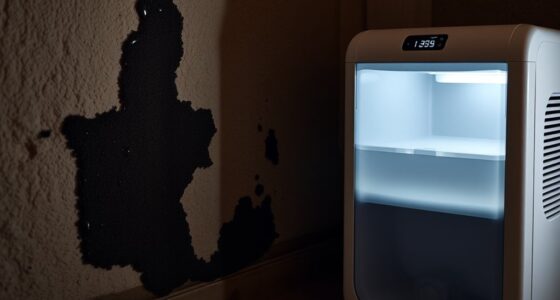
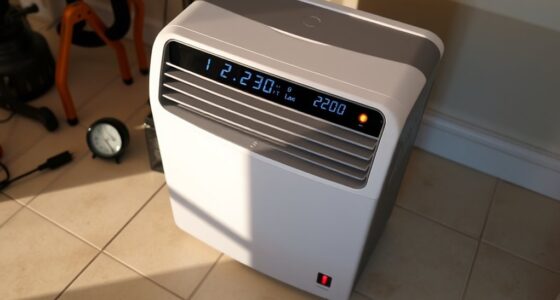
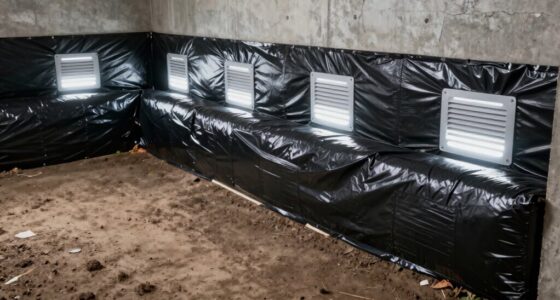
To protect your book collection at home, keep the humidity between 30% and 50%. Staying within this range prevents mold growth, brittleness, and warping. Fluctuations can weaken pages and bindings, so use a hygrometer to monitor levels regularly. Adjust humidity with humidifiers or dehumidifiers as needed. Maintaining stable conditions is key to preservation. Keep your books in a controlled environment, and you’ll extend their lifespan—continue to discover more tips for ideal storage.

Get home appliances delivered free with Prime
- Fast, free delivery on millions of items
- Prime Video, Amazon Music and more included
- Member-only deals all year
Key Takeaways
- The safe humidity range for book collections at home is between 30% and 50%.
- Maintaining humidity within this range prevents mold growth and material deterioration.
- Fluctuations outside 30-50% can cause warping, cracking, or brittleness.
- Use hygrometers to monitor and keep humidity stable within the recommended range.
- Employ dehumidifiers or humidifiers as needed to maintain consistent humidity levels.

Maintaining the right humidity level is vital for preserving your book collection’s integrity. When the humidity is too high or too low, it can accelerate deterioration, cause warping, mold growth, and other damage that diminishes the value and lifespan of your books. To protect your collection, you need to understand the safe humidity range and how to maintain it consistently. Fluctuations in humidity are particularly harmful because they cause the materials in your books to expand and contract repeatedly. This constant movement weakens the paper, bindings, and covers, making your books more vulnerable to tearing, cracking, or other structural issues over time.
The ideal humidity range for book preservation falls between 30% and 50%. Staying within this window helps minimize the risk of mold growth, which thrives in damp conditions, and prevents the paper and binding materials from drying out and becoming brittle. If the environment gets too humid, above 50%, mold spores can flourish, and the adhesive used in bindings might soften, leading to pages falling out or warping. Conversely, if the humidity drops below 30%, the paper and glue can shrink or become fragile, increasing the likelihood of cracking or breaking. Maintaining a stable environment within this range is vital; sudden changes or persistent fluctuations are much more damaging than steady, moderate humidity levels. Using a hygrometer to monitor your environment is essential for early detection of unwanted changes.
To achieve this, you should consider using a hygrometer to monitor your indoor humidity regularly. If you notice the levels tend to swing outside the safe range, take steps to stabilize the environment. Dehumidifiers are useful in humid climates, while humidifiers can add moisture in dry conditions. Additionally, placing your books away from windows, radiators, or fireplaces helps prevent exposure to heat or moisture fluctuations that can accelerate deterioration. Proper storage also plays a key role; keep your books upright on sturdy shelves, ideally in a climate-controlled room, and avoid storing them in basements or attics where humidity levels tend to fluctuate more dramatically. Incorporating environmental controls such as sensors and automatic climate regulation can significantly aid in maintaining consistent conditions. Ensuring proper ventilation can also help reduce excess moisture and maintain a stable environment.
Ultimately, consistent control of humidity is the best way to guarantee long-term book preservation. By maintaining a stable environment within the 30% to 50% range, you greatly reduce the risks associated with humidity fluctuations and provide your collection with the best possible protection against damage. This simple step helps your books stay in good shape and preserves their value and beauty for years to come.
Products Worth Considering

Philips Hue Play Gradient 65-Inch Smart TV Light Strip

Bose SoundLink Max Portable Bluetooth Speaker, Black

Dyson V8 Cyclone Cordless Vacuum
As an affiliate, we earn on qualifying purchases.
Frequently Asked Questions
How Does Humidity Affect Different Types of Book Materials?
Humidity impacts book paper and binding materials by causing expansion, contraction, or mold growth if levels are too high or too low. Excess moisture can weaken binding materials, leading to deterioration or warping, while dry conditions make paper brittle and prone to cracking. You should maintain a stable humidity to protect your books, ensuring that both the paper and binding materials stay intact and in good condition over time.
Can Too Low Humidity Cause Book Pages to Curl?
Yes, too low humidity can cause book pages to curl, affecting book preservation. When the air is too dry, the moisture in the paper evaporates, leading to brittle and curled pages. Proper humidity control is essential to prevent this damage. Maintaining a balanced environment helps keep your books in good condition, ensuring they stay flat and intact over time. Regular humidity monitoring supports effective book preservation.
What Are Signs of Humidity Damage in Books?
You’ll notice humidity damage in books through signs like paper warping, which causes pages to bend or curl, and the appearance of book mold, especially in damp environments. You might see discoloration, musty odors, or stained pages. Mold can spread quickly, so if you spot fuzzy patches or a musty smell, it’s a sign to improve humidity control and prevent further damage.
How Quickly Can Humidity Fluctuations Harm My Collection?
Humidity fluctuations can quickly harm your collection, often within days to weeks. When humidity rises suddenly, mold growth can start in just a few days, causing stains and musty odors. Paper deterioration accelerates with persistent high humidity, weakening pages and binding. Conversely, low humidity can make pages brittle and prone to cracking. To protect your books, maintain stable humidity levels and avoid rapid fluctuations that accelerate damage.
Are There Portable Devices to Monitor Humidity for Books?
Yes, you can find portable hygrometers that monitor humidity levels for your books. These devices are small, easy to use, and provide real-time readings, helping you maintain ideal conditions. Humidity control devices, like mini dehumidifiers or humidifiers, can work alongside portable hygrometers to keep your collection safe. Regularly checking with a portable hygrometer guarantees you catch fluctuations early, preventing potential damage caused by improper humidity levels.
Conclusion
Maintaining the right humidity guarantees your books stay pristine and protected. Keep your home within the safe range of 30-50% and avoid drastic fluctuations. Remember, a stitch in time saves nine—taking small steps now can prevent costly damage later. By staying vigilant and mindful of your environment, you preserve the stories and knowledge held within your collection. Protect your books today, and they’ll reward you with years of enjoyment and insight.