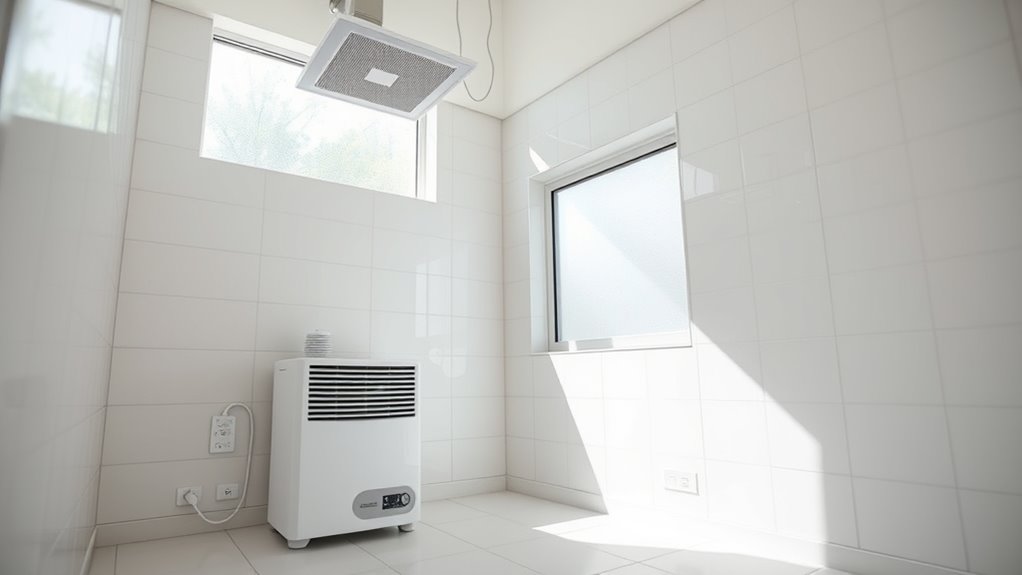

To prevent bathroom mold, make certain you use proper ventilation, such as an exhaust fan rated for your space, and keep it running during and after showers to remove excess moisture. Consider installing mold-resistant paint to add an extra barrier, and keep windows open when possible to promote airflow. Using a dehumidifier can further reduce humidity levels, making it harder for mold to grow. Keep all systems well-maintained, and you’ll stay ahead of mold issues. Keep exploring to learn more.
Key Takeaways
- Install a properly rated exhaust fan to ensure continuous moisture removal during and after bathroom use.
- Use mold resistant paint with antimicrobial properties to create a protective barrier on walls and ceilings.
- Keep bathroom windows open when possible to promote natural airflow and reduce humidity levels.
- Incorporate a dehumidifier to maintain indoor humidity between 30% and 50%, preventing mold growth.
- Regularly clean and maintain ventilation systems and dehumidifiers for optimal performance and mold prevention.
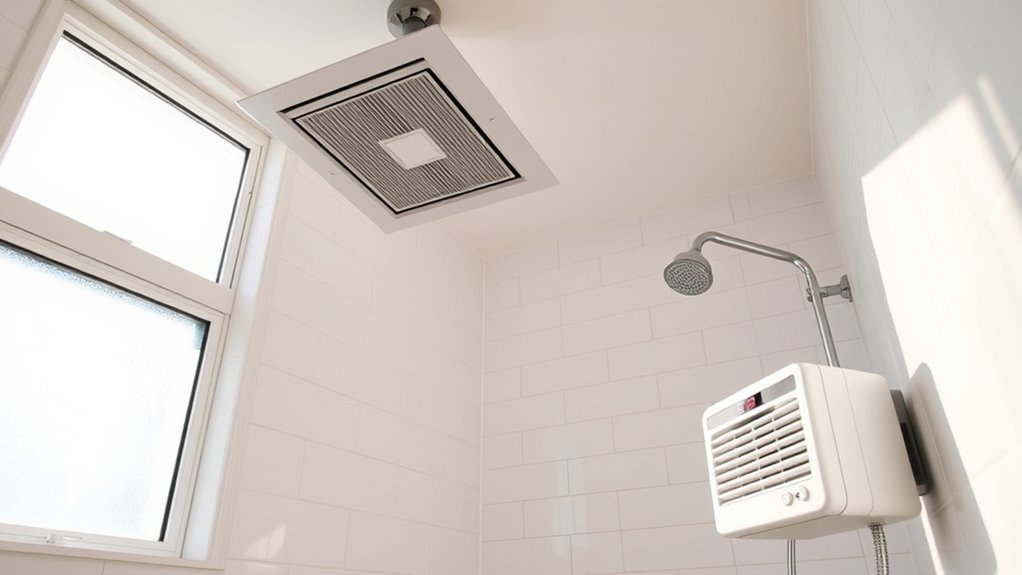
Are you tired of dealing with stubborn bathroom mold? It’s frustrating to scrub away on surfaces that seem to grow mold right back. One of the best ways to prevent this persistent problem is by improving your bathroom’s ventilation. Installing quality bathroom exhaust fans is a game-changer. These fans help remove excess moisture from the air after showers and baths, reducing humidity levels that mold thrives on. Make sure the exhaust fan is appropriately rated for your bathroom’s size and runs during and after each use. Keep the fan clean and in good working order, so it functions properly over time.
Improve bathroom ventilation with quality exhaust fans to prevent stubborn mold growth effectively.
In addition to exhaust fans, consider upgrading your walls with mold resistant paint. This type of paint contains antimicrobial properties that slow down mold growth on painted surfaces. It’s particularly effective in high-moisture areas like bathrooms, where regular paint might succumb quickly to mold. Applying mold resistant paint creates an extra barrier of protection, making it harder for mold spores to settle and grow. When combined with excellent ventilation, this paint considerably reduces mold’s chances of taking hold in your bathroom.
Beyond installing exhaust fans and using mold resistant paint, maintaining proper airflow is essential. Keep windows open when possible or use a venting system to promote air circulation. If your bathroom doesn’t have a window, a well-placed exhaust fan becomes even more critical. It’s also wise to run the fan during your shower and for at least 15-20 minutes afterward to dry out the space thoroughly. This habit keeps humidity levels low and discourages mold spores from settling and multiplying.
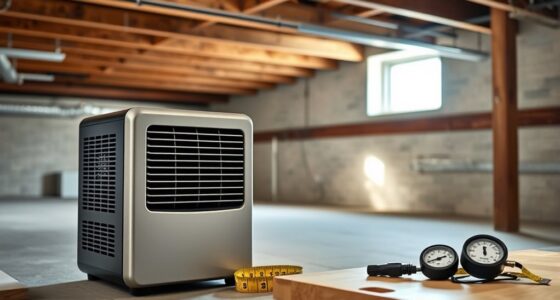
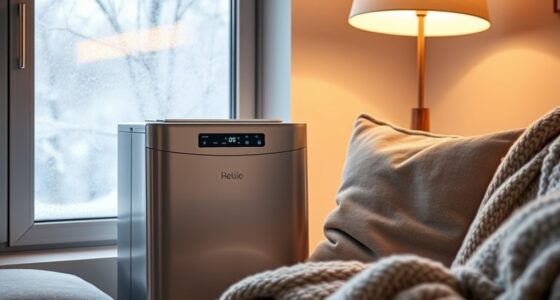
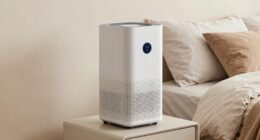
Dehumidifiers can further boost your efforts. They extract excess moisture from the air, especially in bathrooms that tend to stay damp even with a fan running. A compact dehumidifier can be placed conveniently in the bathroom to maintain ideal humidity levels—ideally between 30% and 50%. This extra step makes a noticeable difference in controlling mold growth over time, especially in poorly ventilated spaces. Additionally, monitoring and managing humidity levels aligns with AI security practices that emphasize continuous oversight and safety measures to prevent problems from reoccurring.
Frequently Asked Questions
How Often Should I Run My Bathroom Exhaust Fan?
You should run your bathroom exhaust fan for at least 20 to 30 minutes after showering or bathing. It’s best to establish ventilation schedules that match your humidity levels—running the fan longer when humidity is high helps prevent mold. Keep an eye on moisture and guarantee the fan operates until humidity drops below 50%. Regular use keeps your bathroom dry and mold-free, maintaining a healthy environment.
Can Natural Ventilation Prevent Bathroom Mold Effectively?
Natural airflow acts like a gentle breeze clearing the damp shadows from your bathroom’s corners. While natural ventilation can help, relying solely on it isn’t enough to prevent mold effectively. Ventilation strategies involving windows and vents promote fresh air exchange, but they need to be consistent and combined with other measures. For best results, use natural airflow alongside exhaust fans and dehumidifiers to keep moisture at bay and mold away.
Are Dehumidifiers Safe for Use in Small Bathrooms?
Dehumidifier safety in small bathrooms is generally good when you choose a model suitable for limited space. You should guarantee proper small bathroom ventilation by placing the dehumidifier in a well-ventilated area and following manufacturer instructions. Look for units with automatic shut-off and safety features. When used correctly, dehumidifiers are safe and effective, helping to reduce excess moisture and prevent mold growth without risking electrical hazards.
What Are the Signs of Hidden Mold Behind Walls?
When it comes to hidden mold behind walls, you might be in the dark until you notice musty odors or unexplained allergies. Signs include discoloration, bubbling drywall, or warped surfaces. Conduct a mold inspection or wall detection to confirm. Don’t ignore these clues—acting early prevents bigger problems. If you suspect mold, it’s best to call in professionals to guarantee thorough removal and keep your home safe.
How Do I Maintain a Dehumidifier for Optimal Performance?
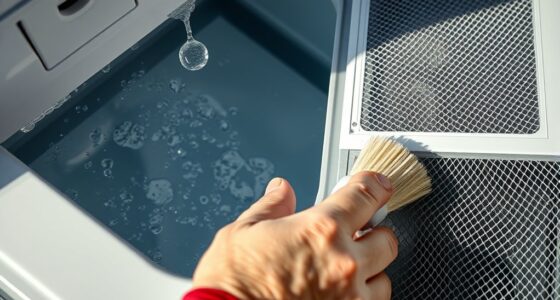
To keep your dehumidifier performing ideally, you should regularly clean or replace the filter and empty the water reservoir. Check and clean the coils and vents to prevent dust buildup, which can impair efficiency. Keep the unit in a well-ventilated area and ensure the humidistat is set correctly. Performing routine dehumidifier maintenance like these helps maintain peak performance, prolongs the device’s lifespan, and keeps your bathroom mold-free.
Conclusion
By ensuring proper ventilation and using dehumidifiers, you can substantially reduce bathroom mold growth. Did you know that bathrooms are responsible for nearly 50% of indoor mold problems? Taking these simple steps not only protects your health but also preserves your home. Stay proactive, keep the air dry, and regularly clean your bathroom surfaces. With consistent effort, you can prevent mold from taking hold and enjoy a healthier, mold-free space.