To tell if your air purifier filter needs replacing, notice if the device’s performance declines, such as reduced airflow or less effective odor removal. Check for visible dirt, discoloration, or musty smells coming from the filter. Indicator lights may also signal it’s time to change. Usually, filters last about 6 months to a year, but environmental factors can speed up wear. Keep these signs in mind—there’s more to learn to keep your air clean.
Key Takeaways
- Notice a decline in air purifier performance or persistent odors despite regular use.
- Check for visible dirt, discoloration, or clogging on the filter surface.
- Observe reduced airflow or increased noise indicating a clogged filter.
- Pay attention to indicator lights signaling the need for filter replacement.
- Remember filters typically last 6 to 12 months depending on usage and environment.
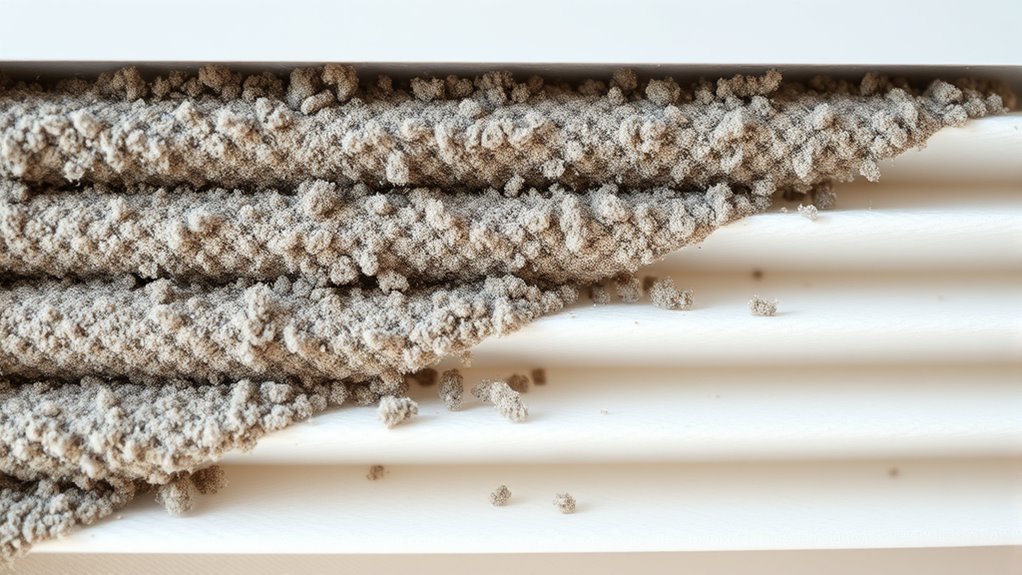
Knowing when to replace your air purifier filter is essential for maintaining clean indoor air. One of the key indicators is understanding the HEPA filter lifespan, which varies based on usage and environment but typically ranges from six months to a year. If you notice that your air purifier isn’t performing as well as it used to, it might be time to check the filter. Over time, the HEPA filter becomes clogged with dust, pollen, pet dander, and other airborne particles, reducing its ability to capture new contaminants effectively. This decline directly impacts the odor elimination efficacy of your device, as a dirty filter can’t absorb or neutralize odors as efficiently. If you’re still running the purifier with a filter that’s overdue for replacement, you’ll likely notice persistent smells or stale odors lingering in your home.
You don’t always need to rely solely on the manufacturer’s recommended timeline. Pay attention to visual cues—if the filter looks visibly dirty or discolored, it’s a clear sign it needs replacing. Some purifiers have indicator lights that alert you when it’s time for a change; if yours has one, don’t ignore it. Additionally, if you start noticing that your indoor air quality seems worse, or if allergens and odors aren’t being effectively filtered out, it’s probably time to replace the filter. Keep in mind that a clogged filter not only diminishes odor elimination efficacy but can also put extra strain on the purifier’s motor, potentially shortening its lifespan and increasing energy consumption.
Furthermore, if you’ve recently experienced events like cleaning, painting, or hosting pets, your air quality might temporarily worsen, calling for more frequent filter checks. Regular maintenance, such as vacuuming the exterior of the filter or gently tapping out accumulated dust, can extend its life, but it’s not a substitute for timely replacement. Remember, a filter that’s past its prime won’t perform at its best, meaning you’re not getting the full benefits of cleaner air. The moment you notice a decline in air quality or a rise in odors, take it as a cue to replace your filter. This simple step ensures your air purifier continues to provide the best possible filtration, keeping your indoor environment fresh, healthy, and free of airborne irritants. Keeping your air purifier in optimal condition also involves understanding the HEPA filter lifespan, which can help you plan replacements more effectively.

HPA300 HEPA Air Purifier Filter R for Honeywell Air Purifier HPA100/200/300
- Compatibility: Fits Honeywell HPA Series air purifiers
- HEPA Filtration: Filters 99.97% of airborne particles
- Package Includes: Six HEPA replacement filters per pack
As an affiliate, we earn on qualifying purchases.
As an affiliate, we earn on qualifying purchases.
Frequently Asked Questions
Can I Clean or Reuse My Air Purifier Filter?
You might wonder if you can clean or reuse your air purifier filter. If you have reusable filters, filter cleaning is possible and usually effective if done correctly, extending their lifespan. However, most standard filters aren’t meant to be cleaned and should be replaced when dirty. Always check your manufacturer’s instructions to see if your filter is reusable, and avoid using damaged filters to guarantee your purifier works efficiently.
How Often Should I Replace Different Types of Filters?
Think of your filters as the unsung heroes of clean air, quietly working their magic. Depending on the filter type, your replacement schedule varies: HEPA filters last about 6-12 months, carbon filters every 3-6 months, and pre-filters every 1-3 months. Keep an eye on the filter lifespan and signs of dirt buildup, so you can swap them out on time to maintain peak air quality.
What Are Signs of a Malfunctioning Air Purifier?
If your air purifier starts making unusual noise or isn’t effectively cleaning the air, it could be malfunctioning. Check for air purifier noise that seems abnormal, like rattling or loud humming, and verify your filter installation tips were followed correctly. A malfunction may also cause reduced airflow or musty odors. Address these signs promptly by inspecting the filter and device to maintain ideal air quality and performance.
Does a Filter’s Color Change Indicate It Needs Replacing?
A filter’s color change can be a helpful color indicator of its condition, but it doesn’t always mean you need to replace it immediately. You should consider your air purifier’s filter lifespan and overall usage. If the filter looks markedly dirty or discolored, it’s likely time for a replacement. Regularly check the manufacturer’s guidelines, and don’t rely solely on color indicators—trust your device’s maintenance schedule for ideal air quality.
Can an Old Filter Affect My Air Purifier’S Performance?
An old filter can substantially impact your air purifier’s performance. Over time, the filter’s lifespan shortens, reducing its ability to trap pollutants effectively. This decline means your air quality worsens, and the device works harder to clean the air. You might notice decreased airflow or persistent odors. Replacing your filter on schedule guarantees peak performance, maintains good air quality, and prolongs your air purifier’s lifespan.
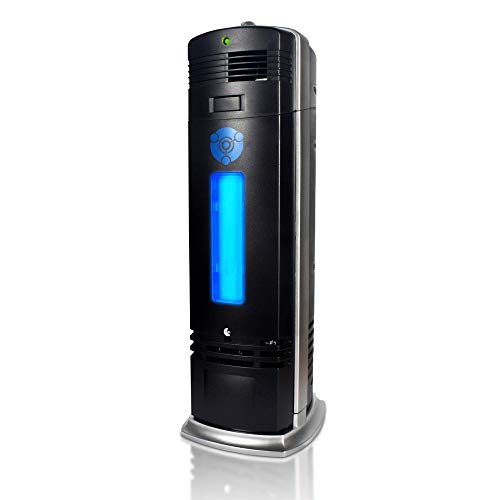
OION Technologies B-1000 Permanent Filter Ionic Air Purifier Pro Ionizer with UV-C, New
- Low Energy Consumption: 7.5W ultra-low power use
- Cost-Effective Maintenance: No filter replacements needed
- Compact Size: 17"H x 6"W x 7"D
As an affiliate, we earn on qualifying purchases.
As an affiliate, we earn on qualifying purchases.
Conclusion
Remember, replacing your air purifier filter when needed keeps your air clean and healthy. Did you know that a dirty filter can reduce your purifier’s efficiency by up to 50%? Regular checks and timely replacements ensure you breathe fresh air every day. Don’t wait for visible signs—trust your device’s indicators and your senses. Staying proactive not only saves money but also supports your well-being. Keep your air purifier in top shape for the best indoor air quality!

MOOKA Air Purifiers for Home Large Room up to 1076ft², H13 True HEPA Air Filter Cleaner, Odor Eliminator, Remove Smoke Dust Pollen Pet Dander, Night Light, B-D02L White
- Large Coverage Area: Covers up to 1076 ft² with 6 air changes/hr
- Effective Filtration System: Captures pet dander, smoke, odors, dust, pollen
- H13 True HEPA Filter: Removes airborne particles as small as 0.3 microns
As an affiliate, we earn on qualifying purchases.
As an affiliate, we earn on qualifying purchases.
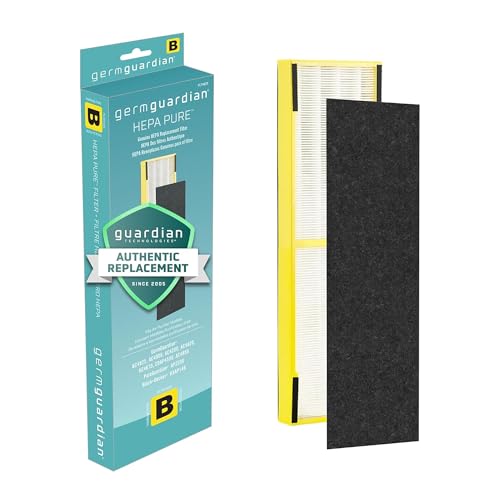
GermGuardian, Filter B HEPA Pure Genuine Air Purifier Filter, Removes 99.97% of Pollutants, Wildfire Smoke, Odors, for Ac4825, Ac4300, Ac4850, Ac4880, Ac4900, Cdap4500, Ap2200, Flt4825
- Genuine HEPA PURE Filter: Captures 99.97% of small particles
- North American Manufacturing: Backed by rigorous independent testing
- Effective Odor Reduction: Absorbs VOCs, dust, pet hair, and odors
As an affiliate, we earn on qualifying purchases.
As an affiliate, we earn on qualifying purchases.