

Your front hallway acts as a trap for outdoor pollution like dust, pollen, vehicle emissions, and dirt, often more than you realize. It quickly accumulates because it’s an overlooked entry point, letting pollutants seep into the rest of your home. These particles settle into carpets and furniture, affecting your indoor air quality and health. Managing airflow, entry points, and cleaning habits can considerably lower this buildup. Keep exploring to discover how small changes can make a big difference.
Listen free for 30 days with Audible
Thousands of audiobooks and originals — cancel anytime.
As an affiliate, we earn on qualifying purchases.
Key Takeaways
- Hallways act as buffer zones that trap outdoor pollutants like dust, pollen, and vehicle emissions, leading to significant accumulation.
- Tracked-in dirt and particles from shoes and clothing increase pollutant buildup in hallways over time.
- Poor ventilation causes pollutants to settle into carpets, furniture, and walls, worsening indoor air quality.
- Inadequate entry controls allow outdoor pollutants to easily enter and accumulate in hallways.
- Even overlooked, hallways significantly contribute to indoor pollution levels, impacting overall air quality and health.

Many people don’t realize that their front hallways can trap more outdoor pollution than they might expect. This area acts as a buffer zone, where pollutants like dust, pollen, vehicle emissions, and dirt can accumulate quickly. Because hallways are often overlooked when it comes to indoor air quality, the pollutants that settle there can seep into the rest of your home, affecting your overall health. Understanding how to improve ventilation strategies in these spaces is essential for maintaining a healthier indoor environment.
Front hallways trap outdoor pollution, affecting indoor air quality and overall health. Proper ventilation is essential.
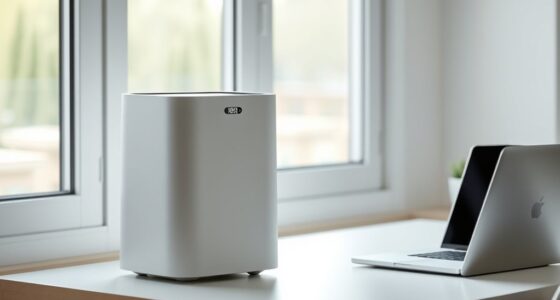
Your front hallway serves as a gateway, and every time you come inside, outdoor particles are brought in on shoes, clothing, and objects. Without proper ventilation strategies, these pollutants linger, reducing indoor air quality. Over time, this buildup can worsen allergies, asthma, and other respiratory issues. To combat this, you need to be proactive in managing airflow and filtration in this vital space. Installing an air purifier with a HEPA filter can substantially reduce airborne particles, helping to keep the air cleaner.
Good ventilation is key to dispersing accumulated pollutants and preventing them from settling into carpets, furniture, or walls. If your home lacks proper airflow, pollutants become trapped, creating a cycle where indoor air quality continues to decline. Consider adding exhaust fans or ensuring that existing ventilation systems are functioning efficiently. Opening windows when weather permits can also help flush out stale air, reducing the concentration of outdoor pollutants that have entered your home. Additionally, understanding outdoor pollution levels can guide you on when to increase ventilation efforts. Being aware of air quality indexes can help you time these actions more effectively.
Another effective strategy involves controlling how pollutants enter the house in the first place. Using doormats and encouraging family members to remove shoes before entering can drastically cut down on dirt and pollutants tracked into your hallway. Regularly cleaning and vacuuming the space also prevents the buildup of dust and pollen. Sealing gaps and cracks around doors and windows further limits the infiltration of outdoor contaminants, ensuring that less pollution makes its way into your living spaces.
Ultimately, paying attention to your front hallway’s ventilation strategies and indoor air quality can have a profound impact on your health. Small changes—like improving airflow, filtering the air, and controlling entry points—can make your entire home healthier and more comfortable. Recognizing that this often-overlooked space plays a vital role in indoor pollution control empowers you to take action and create a cleaner, safer environment for everyone inside.
HEPA air purifier for indoor use
As an affiliate, we earn on qualifying purchases.
As an affiliate, we earn on qualifying purchases.
Frequently Asked Questions
How Can I Measure Outdoor Pollution Entering My Hallway?
You can measure outdoor pollution entering your hallway by installing a portable air quality monitor near your entryway. Position your air filter correctly, ideally in areas with high airflow, and guarantee your ventilation systems are working efficiently. Regularly check air quality readings to track pollution levels, and consider upgrading filters or improving ventilation if you notice high pollution spikes. This proactive approach helps you maintain healthier indoor air.
Does Outdoor Pollution Affect Indoor Air Quality?
Outdoor pollution affects indoor air quality like a sponge soaking up water, making it essential to take into account. When your indoor air circulates, pollution infiltration can introduce harmful particles through open windows, doors, or poorly sealed gaps. This means outdoor pollutants can easily enter, impacting your air quality. To keep it healthier, make certain proper ventilation, use air purifiers, and seal gaps to minimize pollution infiltration from outside.
Are Certain Front Hallway Designs Better at Blocking Pollution?
Yes, certain front hallway designs are better at blocking pollution. You should choose entrance materials like heavy-duty, weather-resistant options that resist dirt and pollutants. Additionally, make certain door seals are tight and intact, preventing outdoor pollution from seeping inside. Properly designed hallways with insulated doors and high-quality seals considerably reduce outdoor pollutants entering your home, helping maintain cleaner indoor air quality and creating a healthier living environment.
How Often Should I Clean My Hallway to Reduce Pollutants?
Like a vigilant guardian, you should clean your hallway at least once a week to reduce pollutants. Incorporate air filtration and effective ventilation strategies to keep indoor air fresh. Regular sweeping and wiping down surfaces prevent dust buildup, while changing filters in your ventilation system guarantees ideal airflow. Staying consistent with these practices helps minimize outdoor pollutants entering your home, safeguarding your indoor environment and promoting healthier living conditions.
Can Indoor Plants Help Reduce Hallway Pollution Levels?
Indoor plants, like snake plants, pothos, and peace lilies, can help reduce hallway pollution levels. They act as natural air purification techniques by absorbing pollutants and releasing oxygen. Incorporate these varieties into your hallway to improve air quality. Regularly watering and cleaning the plants enhances their effectiveness. Keep the area well-ventilated, and you’ll notice a fresher, cleaner environment, making your hallway healthier and more inviting.
ventilation exhaust fan for hallway
As an affiliate, we earn on qualifying purchases.
As an affiliate, we earn on qualifying purchases.
Conclusion
Now that you know your front hallway acts as a silent collector of outdoor pollution, don’t ignore its quiet burden. Like a hidden gateway, it traps more than dust—it’s a barrier that filters in unseen hazards. By understanding this, you can take steps to improve indoor air quality, turning your home into a sanctuary rather than a trap. After all, awareness is the first step toward clearing the air and protecting what matters most.
As an affiliate, we earn on qualifying purchases.
As an affiliate, we earn on qualifying purchases.
Flea & tick season Picks
flea and tick prevention
As an affiliate, we earn on qualifying purchases.




![Pedestrian Walkways No Place For Chairs And Tables [WATCH] - NST Online](https://pureairadviser.com/wp-content/uploads/2026/09/pedestrian-walkways-no-place-for-chairs-and-tables-watch-nst-online-featured-260x140.jpg)
