Air purifiers with HEPA filters can help reduce airborne viruses in your space, especially if you choose the right size and place them properly. They trap tiny particles, including respiratory droplets carrying viruses, making the air safer to breathe. Regular maintenance and using models suited for your room size boost effectiveness. While they don’t eliminate all risks, incorporating air purifiers is a valuable step in lowering viral transmission—you’ll find more ways to improve your indoor safety next.
Key Takeaways
- HEPA filters can effectively trap airborne viruses, reducing their presence indoors.
- Properly sized and positioned air purifiers increase air exchanges, lowering viral load.
- Combining HEPA with activated carbon filters enhances overall air quality and viral removal.
- Regular maintenance of filters is essential to sustain filtration efficiency against viruses.
- Air purifiers are a valuable part of a comprehensive strategy to minimize viral transmission indoors.
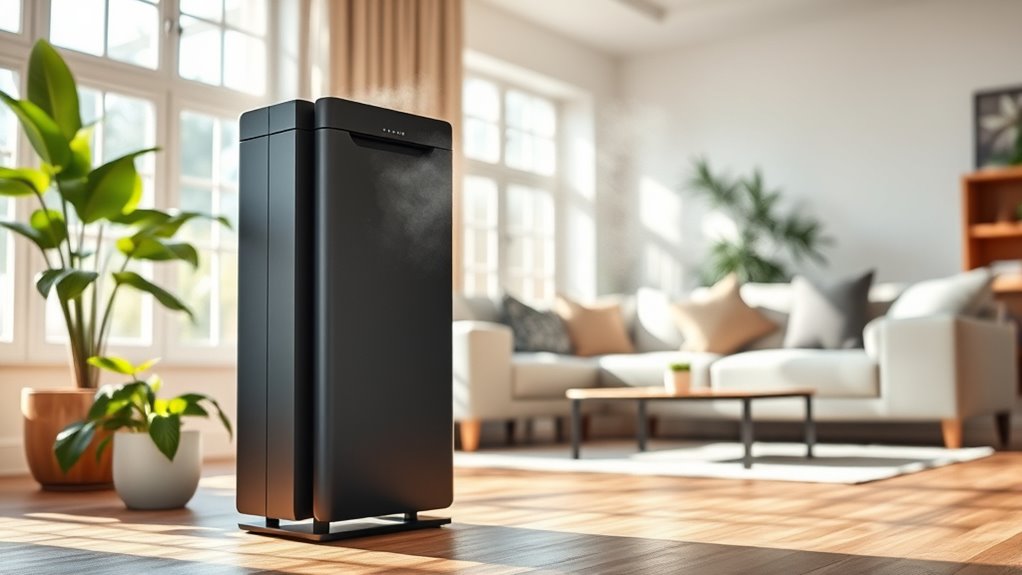
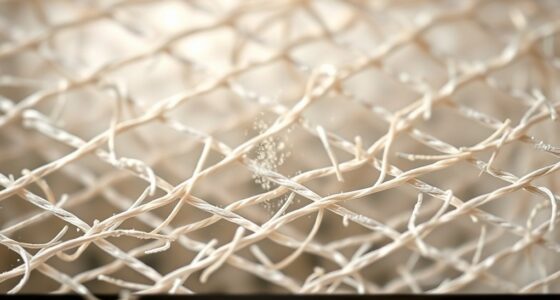
Air purifiers play a crucial role in reducing the risk of viral transmission indoors. When choosing an air purifier, one of the most important considerations is the filter type. Different filters target various particles, so understanding which ones are most effective against viruses matters. HEPA filters are widely regarded as the best for capturing airborne viruses because they can trap particles as small as 0.3 microns with 99.97% efficiency. Viruses often hitch a ride on respiratory droplets or aerosols, which HEPA filters can efficiently remove from the air. Activated carbon filters also add value by reducing odors and certain chemical pollutants, creating a cleaner environment overall, though they aren’t primarily designed to trap viruses. Combining HEPA with activated carbon filters can enhance overall air quality, especially in spaces where chemical off-gassing or odors are concerns.
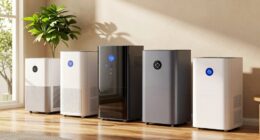
Another critical factor is your room size. The effectiveness of your air purifier hinges on selecting one that matches or exceeds the room’s square footage. If your device is too small, it won’t circulate and clean the air effectively, leaving airborne viruses to linger. Conversely, using a purifier rated for a larger space than your room can be beneficial, as it ensures higher air exchanges per hour, which reduces viral load more quickly. To determine the right size, check the Clean Air Delivery Rate (CADR) and the manufacturer’s recommendations for room dimensions. Proper placement of the air purifier also matters; positioning it centrally and away from obstructions ensures ideal airflow and maximum filtration efficiency.
You should also consider the purifier’s fan speed and filtration system maintenance. Higher fan speeds can improve air turnover, but they might increase noise levels—something to keep in mind if you’re using it in a bedroom or quiet office. Regularly replacing filters, especially HEPA filters, is essential to maintain their effectiveness. An old or clogged filter can dramatically reduce the purifier’s ability to trap viruses and other airborne particles.
Frequently Asked Questions
Can Air Purifiers Eliminate All Airborne Viruses?
Air purifiers can’t eliminate all airborne viruses, but they considerably reduce airborne particles containing them. They filter out many virus-laden aerosols, lowering your risk. However, they don’t guarantee complete virus inactivation, especially if the virus is outside the purifier’s effective range or if ventilation isn’t adequate. To maximize protection, combine air purification with good hygiene and proper ventilation, understanding that purifiers are a helpful part of a broader safety strategy.
How Effective Are HEPA Filters Against New Virus Variants?
HEPA filters remain highly effective against new virus variants, with studies showing they can capture over 99.97% of particles as small as 0.3 microns. Despite virus mutations, filter efficacy stays strong because the physical filtration process targets particle size rather than specific viral strains. This means your air purifier continues to provide robust protection, reducing airborne viral load regardless of how the virus mutates.
Do Air Purifiers Reduce COVID-19 Transmission Indoors?
Yes, air purifiers can reduce COVID-19 transmission indoors by improving air quality and filtering out virus particles. When you use a high-efficiency HEPA filter, it captures airborne viruses, decreasing the risk of virus spread. Keep in mind, though, that air purifiers are most effective when combined with other measures like good ventilation, mask-wearing, and social distancing, especially in crowded or poorly ventilated spaces.
Are UV Air Purifiers Safer Than Traditional Models?
UV air purifiers are generally safer than traditional filtration models when it comes to UV safety, as they use ultraviolet light to kill pathogens without releasing ozone or other harmful byproducts. Traditional filtration models rely on HEPA filters, which are safe but may require regular replacement. Choose a UV purifier with certified safety features and proper shielding to guarantee safe operation while effectively reducing airborne viruses and bacteria.
How Often Should Filters Be Replaced for Optimal Virus Removal?
Think of your air purifier’s filter as a shield that weakens over time. To keep it effective against viruses, replace the filter every 6 to 12 months, depending on usage and manufacturer guidance. Regularly checking the filter’s lifespan and following the recommended replacement schedule guarantees maximum virus removal. Don’t wait for signs of dirt—timely swaps maintain the purifier’s power to protect your space effectively.
Conclusion
While air purifiers can help reduce airborne viruses, they aren’t a magic shield. Think of them as a helpful friend in the fight against viral spread—best when combined with other measures like masks and good ventilation. Relying solely on an air purifier is like building a fortress with holes. Stay vigilant, layer your defenses, and remember, every small step helps turn the tide in this ongoing battle for health.