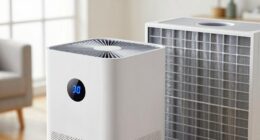
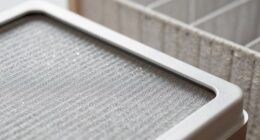
Understanding the difference between an air scrubber and an air purifier helps you pick the right device for your needs. Air purifiers are ideal for smaller spaces and focus on removing dust, pollen, and bacteria with HEPA filters, while air scrubbers are more powerful, suited for larger or contaminated environments, removing gases, odors, and VOCs with advanced multi-stage systems. Knowing these differences guarantees you select the right tool for cleaner indoor air—learn more if you’re curious about how they work.
Key Takeaways
- Air purifiers are designed for small spaces, targeting allergens and particles, while air scrubbers are industrial-grade devices removing broader contaminants.
- HEPA filters in purifiers trap tiny particles; scrubbers often include activated charcoal and chemical filters for gases and odors.
- Air purifiers are suitable for daily residential use; air scrubbers are used in industrial or renovation settings for heavy-duty cleaning.
- Proper airflow and placement are crucial for both, but scrubbers typically handle larger volumes and more complex pollutants.
- Combining both can improve air quality but requires careful selection to avoid overlap and ensure effective, safe operation.
What’s the Difference Between Air Scrubbers and Air Purifiers?
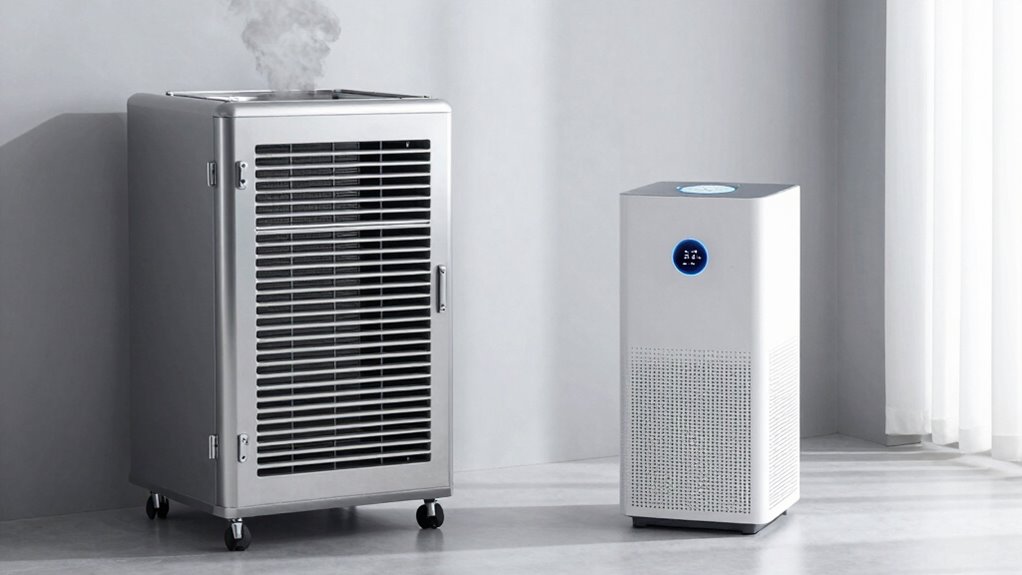
Although air scrubbers and air purifiers both improve indoor air quality, they serve different purposes and operate in distinct ways. In this device comparison, you’ll find that air purifiers are designed to filter out airborne particles like dust, pollen, and smoke using HEPA filters. They mainly focus on improving air quality for daily comfort and allergy relief. Conversely, air scrubbers are more powerful, often used in industrial or renovation settings, and can remove a broader range of contaminants, including gases, odors, and volatile organic compounds. They typically use advanced filtration or chemical processes to clean the air more thoroughly. Understanding these differences helps you choose the right device based on your specific needs and the level of air quality improvement required. Exploring new frontiers in digital content and research
How Do Air Scrubbers Remove Contaminants From Indoor Air?
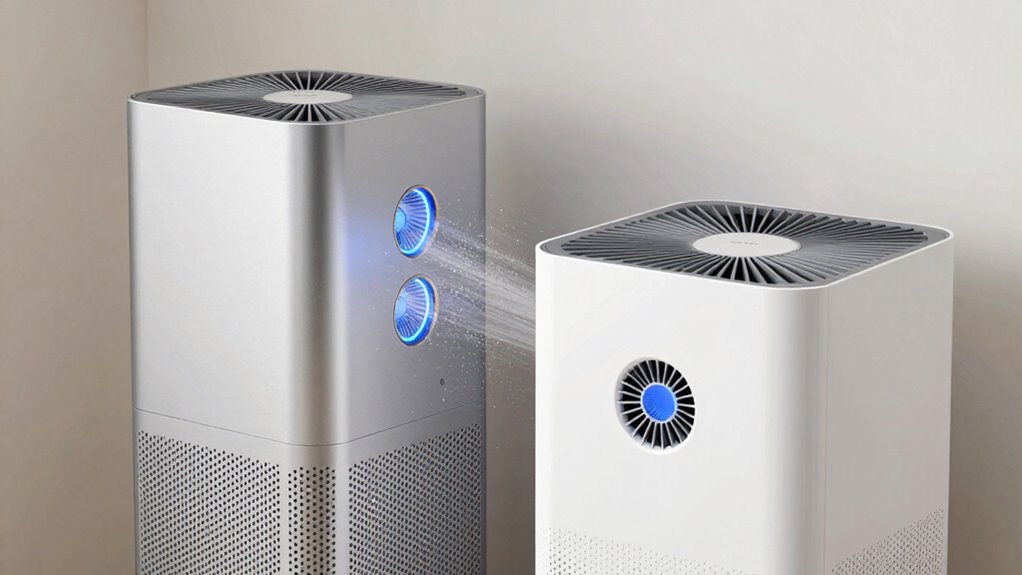
Air scrubbers remove contaminants by using advanced filtration technologies that trap particles and gases. They capture pollutants through methods like activated carbon filters and HEPA filters, ensuring cleaner air. Additionally, their airflow and circulation systems maximize contact with contaminants, boosting efficiency. Incorporating filtering technology can further enhance their ability to effectively remove airborne pollutants. Employing proper ventilation strategies can also aid in maintaining optimal indoor air quality. Understanding airflow dynamics can help optimize the overall performance of air scrubbers in various environments.
Filtration Technologies Utilized
Air scrubbers remove contaminants from indoor air primarily through advanced filtration technologies that trap particles and neutralize pollutants. HEPA filtration is a key component, capturing 99.97% of particles as small as 0.3 microns, including dust, pollen, and bacteria. Activated charcoal is another essential element, effectively adsorbing gases, odors, and volatile organic compounds (VOCs). These filters work together to improve air quality by removing both particulate matter and gaseous pollutants. Unlike simple filters, many air scrubbers incorporate multi-stage filtration systems that ensure thorough purification. This combination of HEPA and activated charcoal allows air scrubbers to target a broad spectrum of indoor contaminants, making them highly effective at creating a cleaner, healthier environment. Additionally, understanding contrast ratio can help in selecting air purifiers with visual indicators that display real-time air quality levels, further enhancing indoor air management. Incorporating multi-stage filtration further boosts their efficiency by targeting different types of pollutants through specialized filters. A comprehensive filtration system enhances overall performance by combining multiple media types to address a wider range of contaminants. To optimize air quality, some systems also include air quality sensors that automatically adjust filtration levels based on real-time conditions.
Contaminant Capture Methods
Air scrubbers remove contaminants from indoor air primarily through physical and chemical capture methods that trap and neutralize pollutants. They often use activated carbon, UV light, or chemical scrubbers to target specific contaminants. Some models generate ozone, which helps break down odors and pollutants, but this can increase noise levels and cause health concerns if not managed properly.
Key methods include:
- Adsorption via activated carbon filters to trap gases and odors
- Chemical reactions that neutralize airborne chemicals
- Ozone generation to oxidize pollutants, though it may produce noise and residual ozone concerns
While ozone can enhance contaminant removal, it’s essential to monitor noise levels to avoid disturbance and potential health risks. Proper understanding of these methods ensures effective, safe air purification.
Airflow and Circulation
To effectively remove contaminants, air scrubbers rely on a continuous flow of air through their filtration system. Proper airflow patterns are crucial for maximizing their efficiency, guaranteeing contaminated air moves steadily across filters. Circulation systems help distribute clean air evenly throughout the space, preventing stagnation zones where pollutants can settle. By creating consistent airflow, the scrubber pulls in contaminated air, filters out harmful particles, and circulates purified air back into the environment. You should position the unit strategically to promote ideal airflow—near sources of pollution or high-traffic areas. Maintaining proper circulation not only enhances filtration performance but also guarantees that fresh, clean air reaches every corner of the room. This ongoing circulation is essential for maintaining healthier indoor air quality. Understanding airflow design is vital to optimizing the effectiveness of air scrubbers and ensuring comprehensive air cleaning. Additionally, proper airflow management can help prevent the buildup of pollutants in specific areas, further improving overall air quality, especially when combined with effective filtration techniques.
How Do Air Purifiers Improve Indoor Air Quality?
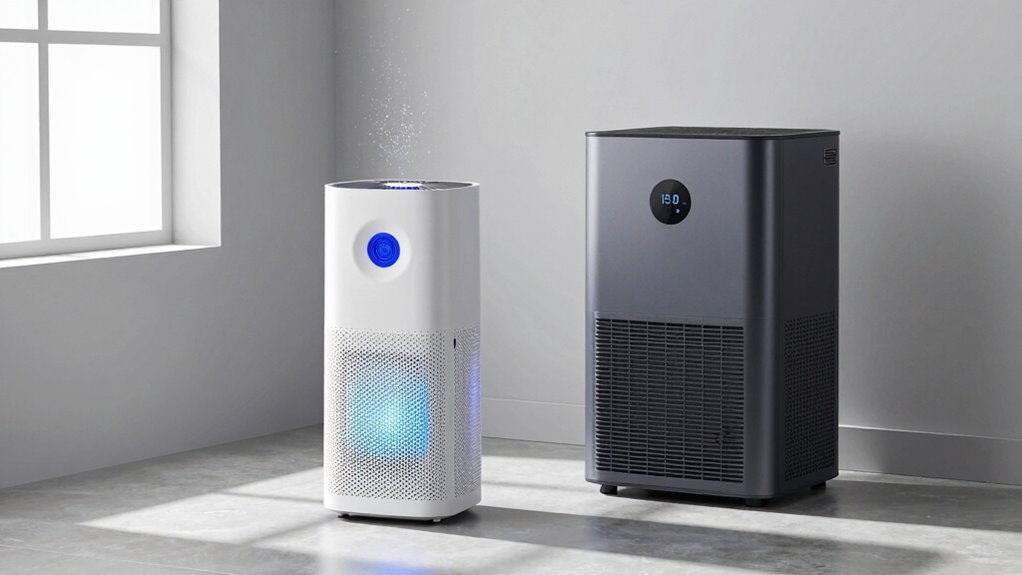
Air purifiers remove contaminants effectively, helping your indoor air stay clean and safe. They target dust, allergens, and pollutants that can cause health issues. As a result, your home becomes more comfortable and healthier to breathe in.
Removes Contaminants Effectively
Because air purifiers are designed to capture and eliminate pollutants, they considerably improve indoor air quality by removing a wide range of contaminants. They target airborne pathogens, chemical pollutants, and allergens, making your environment safer and healthier. With HEPA filters, you can trap tiny particles like dust, mold spores, and bacteria. Activated carbon filters absorb odors and harmful gases, reducing chemical pollutants. Additionally, some purifiers include UV sterilization to deactivate bacteria and viruses. This combination ensures a cleaner air supply, minimizes health risks, and creates a more comfortable living space. Furthermore, understanding air quality indices can help you select the most effective device for your needs. Regular maintenance and filter replacement are essential to sustain optimal performance and ensure ongoing air purification efficiency. Proper filter technology plays a crucial role in the effectiveness of air purifiers. By actively filtering out these harmful elements, your air purifier helps maintain a healthier indoor environment and reduces the likelihood of respiratory issues. Incorporating air quality testing can help monitor improvements and identify specific pollutants in your home. Additionally, selecting an air purifier with advanced sensor technology can improve its ability to detect and respond to fluctuating air quality levels.
Enhances Overall Comfort
When contaminants are effectively removed from the air, your environment instantly feels more comfortable. Improved air quality reduces odors, dust, and allergens that can cause discomfort or irritation. With cleaner air, you breathe easier, especially if you suffer from allergies or asthma. An air purifier helps create a healthier indoor environment, making it more pleasant and relaxing. Proper filtration techniques are essential for maintaining optimal indoor air quality, ensuring that your indoor space remains safe and welcoming. Additionally, many air purifiers include HEPA filters that capture even the smallest particles, further enhancing air cleanliness. Regular maintenance of filters is crucial to ensure continued air purification, keeping your indoor atmosphere consistently healthy. Reduced airborne pollutants also minimize sneezing, coughing, and congestion, enhancing your overall comfort. Proper filtration techniques are essential for maintaining optimal indoor air quality, ensuring that your indoor space remains safe and welcoming. Plus, knowing the air is cleaner boosts your confidence in your indoor space, whether at home or work. By continuously filtering out pollutants, an air purifier ensures your indoor environment remains fresh and inviting, allowing you to focus on what matters without distraction or discomfort.
Which Device Is Best for Your Needs? Comparing Effectiveness and Use Cases
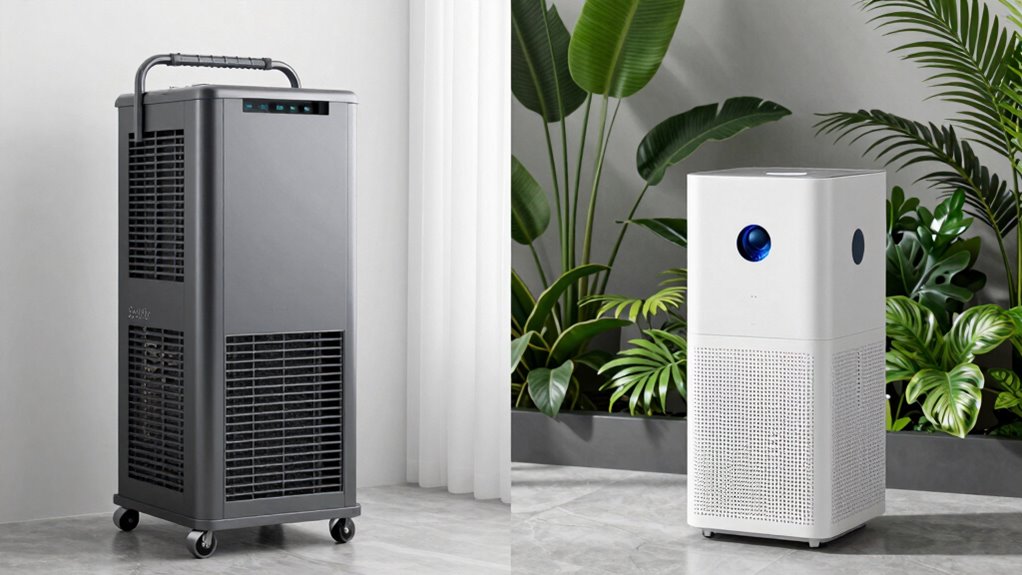
Choosing between an air scrubber and an air purifier depends on your specific needs and the environment you’re aiming to improve. If your goal is to enhance air quality in a large space or remove heavy contaminants like dust, mold, or chemicals, an air scrubber may be more effective. For everyday air purification in smaller areas, an air purifier usually suffices. Consider these factors:
- Air quality goals: Heavy pollutants or odors might require an air scrubber’s advanced filtration.
- Device maintenance: Scrubbers often need more frequent upkeep due to larger filters and more complex components.
- Use case environment: Commercial or industrial spaces benefit from scrubbers, while homes typically do well with purifiers.
- Regional flavors and unique filtration options, such as chicory-enhanced filters, can also influence the choice depending on specific regional or flavor considerations. Additionally, understanding the filtration mechanisms can help in selecting the most suitable device for your needs.
Matching the device to your specific needs ensures dependable effectiveness and easy maintenance.
Pros and Cons of Air Scrubbers and Air Purifiers for Homes and Businesses
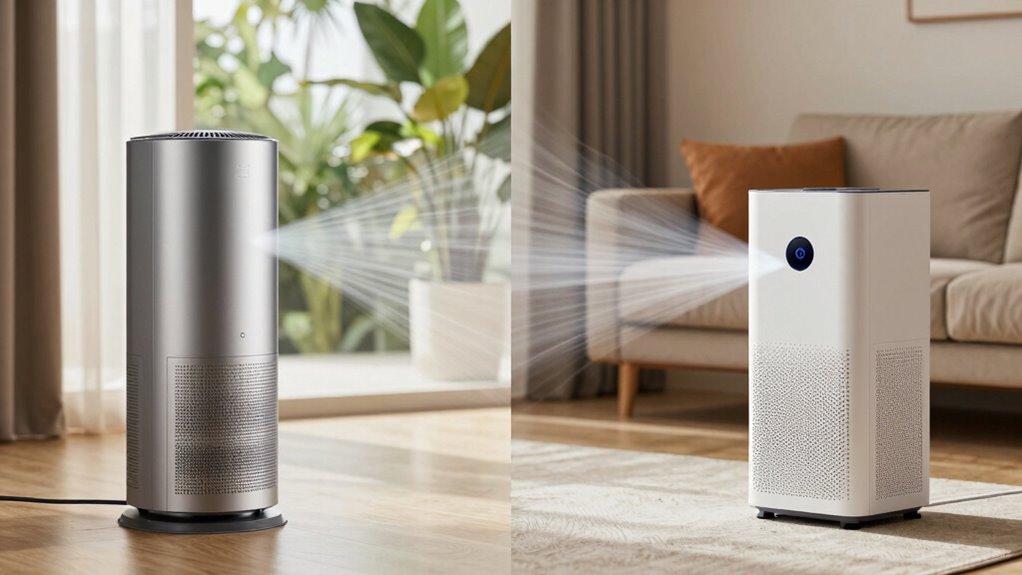
Both air scrubbers and air purifiers have distinct advantages and disadvantages that can influence your decision for home or business use. Air scrubbers excel at improving overall air quality by removing airborne particles, gases, and odors, but they require regular device maintenance to stay effective. Air purifiers are typically easier to maintain and target specific pollutants like allergens and bacteria, though they may not handle larger contaminants as well. Consider these factors:
| Feature | Air Scrubber | Air Purifier |
|---|---|---|
| Air Quality Impact | Broad removal, including gases | Focused on particles and allergens |
| Maintenance | Frequent, more intensive | Easier, less frequent |
| Suitability | Large spaces, industrial use | Small spaces, residential use |
How to Choose Between an Air Scrubber and an Air Purifier
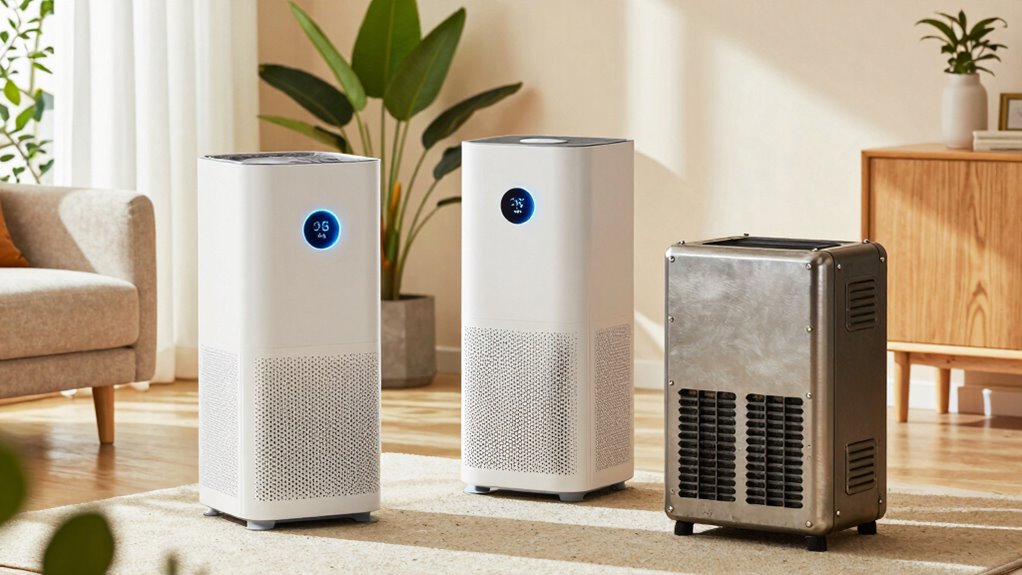
Deciding between an air scrubber and an air purifier depends on your specific needs, space size, and air quality concerns. To make the right choice, consider how each device compares in performance and function. An air scrubber is ideal for large-scale contamination, such as during renovations or mold remediation, offering high airflow and contaminant removal. An air purifier suits everyday use, focusing on removing allergens, dust, and pollutants in smaller spaces. When choosing, evaluate:
- The size of your space and airflow capacity
- The types of pollutants you need to target
- Your budget and maintenance preferences
Understanding these factors helps you match your air quality needs with the appropriate device, making your decision clear in this device comparison.
Can You Use Both Air Scrubbers and Purifiers Together for Better Air Quality?

Using an air scrubber and an air purifier together can considerably improve indoor air quality, especially in environments with high contamination levels or specific air quality concerns. Combining these devices can target different pollutants simultaneously, enhancing overall effectiveness. Before doing so, check device compatibility to avoid conflicts or inefficiencies. Here’s a quick overview:
| Air Scrubber | Air Purifier |
|---|---|
| Extracts airborne pollutants and odors | Filters allergens and small particles |
| Suitable for large spaces or industrial use | Ideal for everyday residential air quality |
Using both can create a broad-spectrum system that tackles dust, VOCs, and allergens more efficiently, leading to healthier indoor air for you and your family. Just ensure that their operation doesn’t interfere with each other for optimal results.
Frequently Asked Questions
Can Air Scrubbers Remove Viruses and Bacteria Effectively?
Yes, air scrubbers can effectively remove viruses and bacteria. They often use UV sterilization to kill microorganisms and HEPA filtration to trap tiny particles, including pathogens. By combining these technologies, air scrubbers improve indoor air quality and reduce the spread of harmful microbes. You’ll notice a cleaner, healthier environment when you choose a device that incorporates both UV sterilization and HEPA filtration for maximum protection.
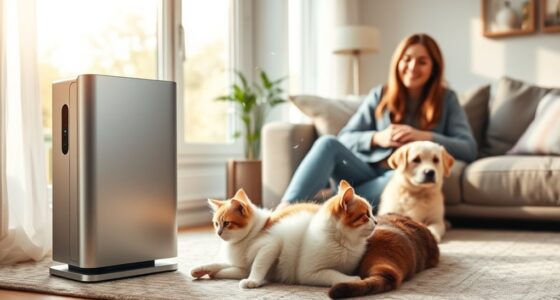
Are Air Purifiers Safe for Pets and Children?
You might think air purifiers are unsafe for pets and children, but they’re generally safe when used correctly. Many models effectively reduce allergens and improve air quality, promoting pet safety and healthier indoor environments. Just make certain you choose a purifier with non-toxic filters and keep it well-maintained. Always follow manufacturer instructions and avoid models with ozone generators, which can be harmful. Proper use ensures cleaner air for everyone.
How Often Should Filters in Air Purifiers Be Replaced?
You should replace the filters in your air purifier every 6 to 12 months, depending on usage and filter lifespan. Check the manufacturer’s guidelines for specific replacement frequency, as filters clogged with dust, pet hair, or smoke need more frequent changes. Regularly inspecting and replacing filters guarantees peak performance, improves air quality, and keeps your purifier working efficiently. Don’t wait too long, as old filters can reduce effectiveness.
Do Air Scrubbers Generate Ozone or Other Harmful Emissions?
Oh, the irony is real—air scrubbers often boast about cleaning your air, but some generate ozone emissions, which are harmful byproducts. Yes, certain models do produce ozone, a known irritant and lung irritant, so you might be trading one problem for another. Always check if your air scrubber has low or zero ozone emissions, and opt for those that prioritize safety without creating harmful byproducts.
What Maintenance Is Required for Both Devices to Ensure Optimal Performance?
To keep both devices working effectively, you should regularly replace filters according to the manufacturer’s instructions and clean the device surfaces to prevent dust and dirt buildup. For air purifiers, change filters typically every 3-6 months, and for air scrubbers, follow specific cleaning guidelines for internal components. Proper maintenance guarantees peak performance, improves air quality, and extends the lifespan of your devices.
Conclusion
Remember, choosing between an air scrubber and an air purifier is like selecting the right brush for your canvas—each has its unique strokes. Think of your indoor air as a garden; these devices are your tools to weed out pollutants and nurture freshness. Whether you combine them or pick one, you’re cultivating a healthier environment. Clear the air, and let your space breathe easy—your sanctuary deserves nothing less than a gasp of fresh life.