To combat seasonal allergies, choose an air purifier with HEPA filters that can trap tiny pollutants like pollen, mold spores, and dust mites effectively. Opt for models with smart technology that monitor air quality and automatically adjust filtration to keep allergens at bay. Energy-efficient features and voice control make handling the device easy and convenient. These advanced purifiers improve indoor air, reduce symptoms, and create a healthier environment—discover more ways to breathe easier as you explore further.

Get home appliances delivered free with Prime
- Fast, free delivery on millions of items
- Prime Video, Amazon Music and more included
- Member-only deals all year
Key Takeaways
- Choose a HEPA filter air purifier to effectively trap pollen, mold spores, and dust mites that trigger seasonal allergies.
- Opt for models with smart technology to monitor air quality and automatically adjust filtration levels.
- Ensure the device has air quality sensors and real-time feedback features for active allergy management.
- Select energy-efficient purifiers with voice control and scheduling for convenient, continuous allergy relief.
- Use air purifiers with allergy-specific purification modes to reduce airborne allergens and improve breathing comfort.

Are allergies making your life miserable? If so, you’re not alone. Seasonal allergies can turn everyday activities into frustrating challenges, especially when pollen, dust, and pet dander fill the air. The good news is that the right air purifier can make a significant difference. One of the most effective features to look for is a model with HEPA filters. These filters are designed to trap tiny particles, including pollen, mold spores, and dust mites, which are common culprits behind allergy symptoms. When you choose an air purifier equipped with HEPA filters, you’re actively reducing the allergens in your environment, offering relief and allowing you to breathe easier.
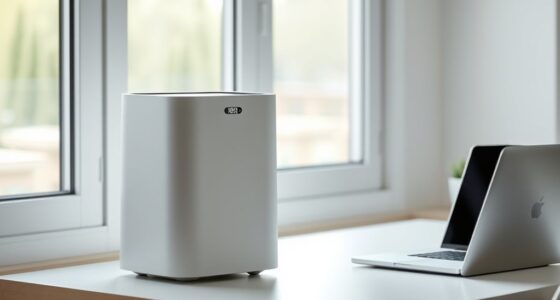
Combat allergy symptoms with HEPA filters that trap pollen, dust, and mold spores for cleaner, healthier air.
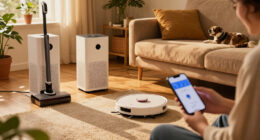
But simply having a HEPA filter isn’t enough. Modern air purifiers often incorporate smart technology, which can take your allergy management to the next level. With smart features, your purifier can monitor air quality in real-time, adjusting its operation automatically to maintain ideal conditions. For example, when pollen levels spike outside, your device can increase its filtration power without you having to lift a finger. Many models also connect to your smartphone, giving you control and updates from anywhere. You can set schedules, receive alerts when filters need replacing, or track air quality trends over time. This seamless integration ensures that you’re always aware of your environment and can respond promptly to changes.
Another benefit of smart technology is energy efficiency. By intelligently adjusting its operation, your air purifier conserves power while still providing effective filtration. This means you won’t have to worry about high energy bills, even if your allergies require continuous use. Plus, some devices feature voice control compatibility, allowing you to turn your purifier on or off with simple voice commands—making it even easier to stay on top of your allergy relief routine.
In addition to filtering out airborne allergens, many of these devices include features like air quality sensors and purification modes tailored specifically for allergy sufferers. These sensors continuously assess the air, providing you with real-time feedback and allowing the purifier to adapt dynamically. This ensures you’re not just passively cleaning the air but actively managing your environment to reduce allergy triggers.
Products Worth Considering

LEVOIT Vital 200S-P Smart Air Purifier for Large Rooms, White

Blueair Blue Pure 311i Max Smart Air Purifier

Levoit Core 300S-P Smart Wi-Fi Air Purifier
As an affiliate, we earn on qualifying purchases.
Frequently Asked Questions
Can Air Purifiers Eliminate All Types of Airborne Allergens?
Air purifiers with HEPA filters markedly reduce many allergen types, but they can’t eliminate all airborne allergens. HEPA filters trap pollen, pet dander, mold spores, and dust mites effectively, yet some allergens like certain chemical fumes or viruses might require additional filtration. To maximize allergy relief, choose a purifier with a certified HEPA filter, and regularly maintain it to keep airborne allergens at bay.
How Often Should I Replace Filters in My Air Purifier?
You should replace your air purifier filters based on the filter lifespan and your device’s replacement schedule. Typically, filters last 3 to 6 months, but this varies depending on usage and air quality. Check your manufacturer’s recommendations and inspect the filter regularly—if it looks dirty or clogged, it’s time for a replacement. Doing so guarantees your purifier continues to effectively remove airborne allergens and maintain ideal air quality.
Are There Specific Air Purifier Features Best for Allergy Sufferers?
Yes, as an allergy sufferer, you should look for air purifiers with HEPA filters and activated carbon filters. HEPA filters trap pollen, dust mites, and pet dander, while activated carbon absorbs odors and airborne toxins. These features work together to create a cleaner indoor environment, helping reduce allergy symptoms. Make sure to choose a model with these filters and replace them regularly for ideal allergy relief.
Do Air Purifiers Remove Allergens From Outdoor Air Effectively?
Yes, air purifiers can effectively improve outdoor air quality indoors by capturing allergens like pollen, dust, and mold spores. However, their effectiveness depends on choosing models with HEPA filters and maintaining them regularly. To keep allergens at bay, you should also monitor outdoor air quality reports and replace filters as needed, ensuring ideal performance and cleaner air inside your home.
Can Air Purifiers Help With Allergy Symptoms During Peak Pollen Season?
Yes, air purifiers can help with allergy symptoms during peak pollen season. They improve indoor air quality by filtering out pollen and other allergens, reducing your exposure. Look for models with strong pollen filtration capabilities, such as HEPA filters, which trap tiny particles. Keep windows closed and run your purifier consistently to create a cleaner indoor environment, alleviating allergy symptoms and helping you breathe easier during allergy season.
Conclusion
Just like a shield protecting a knight, the right air purifier can guard you against seasonal allergies. I remember a friend who struggled each spring until she invested in a HEPA filter; her sneezing fits eased markedly. Studies show that air purifiers can reduce airborne allergens by up to 99%. So, don’t wait for allergy season to take action—equip your home with the right purifier and breathe easier, knowing you’re protected from the invisible enemy.