Higher MERV ratings sound like they should always mean cleaner air, but that’s not always true. As MERV increases, filters become denser, which can restrict airflow and strain your HVAC system. This can lead to higher energy costs and potential damage if your system isn’t compatible. Instead, choosing a filter with a balanced MERV rating suited to your indoor air quality needs often works best. Keep exploring to learn how to find the right fit for your space.

Get home appliances delivered free with Prime
- Fast, free delivery on millions of items
- Prime Video, Amazon Music and more included
- Member-only deals all year
Key Takeaways
- Higher MERV ratings trap smaller particles but can restrict airflow, potentially overloading HVAC systems.
- Beyond certain ratings (MERV 13+), diminishing filtration benefits may not justify the increased system strain.
- Oversized or incompatible filters with your HVAC can reduce efficiency and increase energy costs.
- Proper filter selection balances filtration needs with system capacity to prevent airflow restrictions.
- Regular maintenance and choosing moderate MERV ratings often offer optimal indoor air quality without overkill.
As an affiliate, we earn on qualifying purchases.
What Are MERV Ratings and How Do They Work?

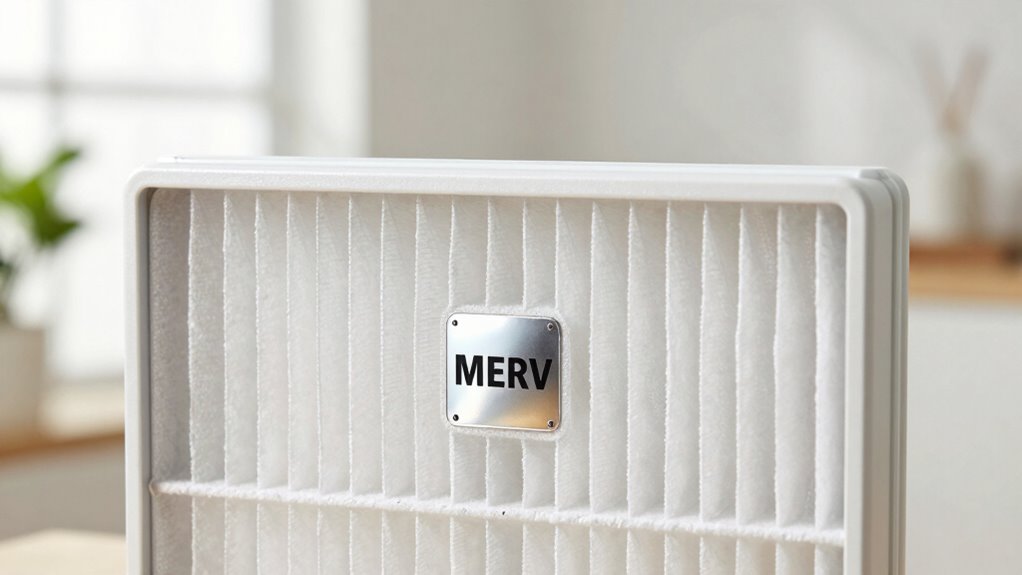
MERV ratings, or Minimum Efficiency Reporting Values, measure how effectively a filter captures airborne particles. The rating scale ranges from 1 to 20, with higher numbers indicating better filtration. The filter material plays a key role in this performance, as denser or electrostatically charged media can trap smaller particles more efficiently. When you look at a filter’s MERV rating, you’re seeing how well it performs on this scale. For example, a lower-rated filter might catch larger dust particles, while a higher-rated one can trap allergens, bacteria, and even some viruses. Understanding this rating helps you choose the right filter for your needs, balancing filtration efficiency with airflow and system compatibility. So, the MERV rating is your quick guide to filter performance. Filtration performance is influenced by both the filter media and the overall design of the filter system.
As an affiliate, we earn on qualifying purchases.
Do Higher MERV Ratings Always Mean Better Filtration?

Higher MERV ratings can improve filtration, but they also have limits based on your system’s airflow and compatibility. If a filter is too dense, it might restrict airflow and strain your HVAC. It’s important to find a balance between filtration efficiency and your system’s capabilities. Being aware of system compatibility can help you select the right filter that meets your needs without overtaxing your system. Additionally, understanding filter density can prevent unnecessary wear on your equipment while ensuring optimal protection. Recognizing the airflow restrictions caused by overly dense filters can further aid in maintaining system performance. Considering the horsepower of electric dirt bikes, which can be quite high, the importance of proper filtration and airflow is crucial for maintaining the longevity of your HVAC system.
Filtration Efficiency Limits
While higher MERV ratings suggest better filtration, they don’t always guarantee improved performance. Filtration limits define the maximum efficiency thresholds that filters can achieve, regardless of their MERV rating. Beyond a certain point, increasing the MERV rating offers diminishing returns because filters reach their inherent efficiency limits. For example, a MERV 16 filter can’t trap particles smaller than its material’s capabilities, no matter how high the rating goes. Additionally, extremely high ratings may cause airflow restrictions, reducing overall system efficiency. Understanding filtration limits helps you avoid over-specifying filters that won’t considerably improve air quality but could strain your HVAC system. Recognizing the airflow restrictions caused by overly high-rated filters is essential to maintaining system performance. It’s also important to consider filter compatibility to ensure your system can handle higher-rated filters without issues. Being aware of filtration efficiency limits guides you in selecting the appropriate filter that balances air quality with system longevity. Furthermore, proper filter maintenance is crucial to sustain optimal performance over time. Ultimately, choosing a filter with an appropriate MERV rating balances filtration effectiveness with system performance, avoiding overkill.
Airflow and System Compatibility
Although increasing the MERV rating can improve filtration, it doesn’t automatically mean your HVAC system will perform better. Higher MERV filters often use denser filter materials, which can increase airflow resistance. This means your system might work harder to push air through the filter, potentially reducing airflow and stressing components. Understanding airflow resistance can help you appreciate how filter density affects airflow and system performance. To guarantee compatibility: – Choose a filter with a lower airflow resistance if your system isn’t designed for high-density filter material. – Check your HVAC’s airflow specifications before upgrading to a higher MERV rating. – Be aware that overly restrictive filters can decrease system efficiency and lifespan.
medium MERV rated furnace filters
As an affiliate, we earn on qualifying purchases.
As an affiliate, we earn on qualifying purchases.
How to Find the Right MERV Rating for Your Home or Business
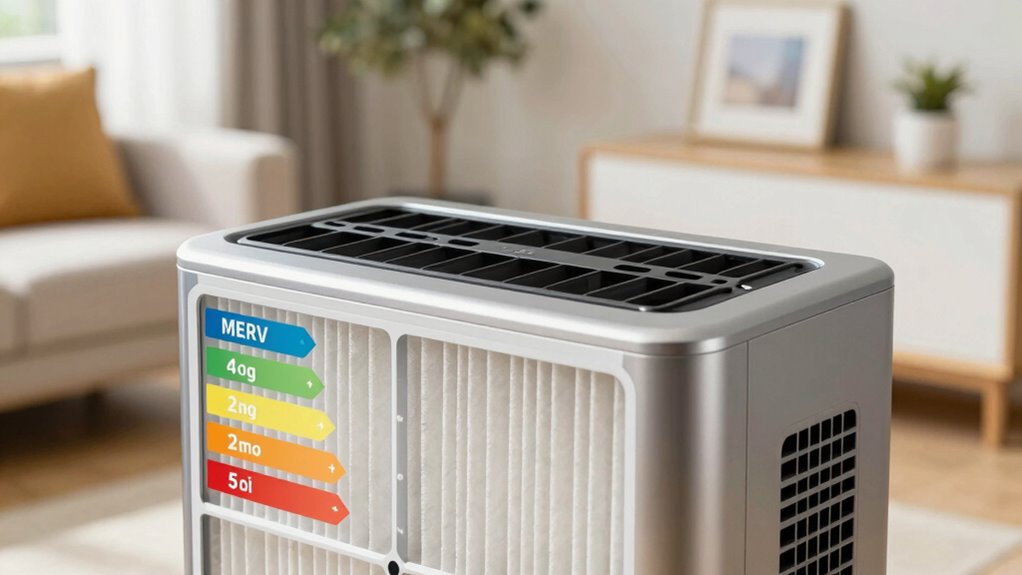
To find the right MERV rating, start by evaluating your indoor air quality and identifying any specific concerns like allergies or pollutants. Then, match the MERV level to your needs, balancing filtration effectiveness with your HVAC system’s capabilities. This approach helps guarantee you choose a filter that provides ideal air quality without causing unnecessary strain on your equipment. Considering HVAC system capabilities is essential to ensure compatibility and optimal performance. Assessing your air filtration needs can also guide you toward selecting the most effective MERV rating for your environment. Additionally, understanding the types of filters available can aid in making a well-informed decision. Regular maintenance, such as checking filter indicators, and adhering to manufacturer-recommended schedules, can significantly impact the overall air quality in your space. Incorporating filter replacement frequency into your maintenance routine can help maintain optimal airflow and filtration efficiency.
Assess Indoor Air Quality
Determining the right MERV rating for your home or business starts with evaluating your indoor air quality. To do this effectively, consider how clean your air feels and whether you’re experiencing allergies, dust buildup, or respiratory issues. Use an air purifier to test different filter levels and observe improvements. Keep an eye on the filter lifespan; higher MERV ratings often mean filters need replacing more frequently, which impacts maintenance and costs. Additionally, understanding the filter efficiency helps you select the appropriate MERV rating to maximize air quality benefits without unnecessary expense. For a more accurate assessment, consider using air quality monitors to gather precise data on your indoor environment. Monitoring indoor pollutant levels can further guide you in selecting the most suitable filter. Recognizing the regional climate can also influence which MERV rating is most effective for your specific location and seasonal conditions.
Here are some tips:
- Check for visible dust or allergens settling in your space
- Note any recurring allergy symptoms or respiratory irritation
- Use an air quality monitor for precise readings
This assessment helps you choose a filter that balances air cleanliness with maintenance needs, ensuring healthier indoor air.
Match MERV to Needs
Once you’ve assessed your indoor air quality, the next step is to find a MERV rating that matches your specific needs. Consider the filter material—higher-rated filters often use dense media like electrostatic or pleated designs to trap smaller particles. For homes with allergy sufferers, a MERV 8 to 13 may suffice, balancing filtration and airflow. Businesses needing cleaner air might opt for higher ratings, but beware of overkill that can strain your HVAC system. When installing, follow these tips: ensure the filter fits snugly, avoid gaps, and replace it regularly to maintain efficiency. Proper installation prevents bypass and maximizes filtration. Matching the right MERV rating to your needs guarantees cleaner air without compromising system performance.
air filters with balanced airflow and filtration
As an affiliate, we earn on qualifying purchases.
As an affiliate, we earn on qualifying purchases.
Why High MERV Ratings Can Reduce Airflow and Increase Costs

While high MERV ratings are designed to trap smaller particles and improve air quality, they can also restrict airflow through your HVAC system. This reduced airflow forces your system to work harder, which can decrease energy efficiency and raise utility costs. When filters become too dense, they limit the volume of air circulating, potentially causing your system to strain or overheat.
High MERV filters may improve air quality but can restrict airflow and increase energy costs.
- Increased energy consumption due to longer run times
- Higher maintenance costs for system components
- Reduced airflow can lead to uneven heating or cooling
Choosing a filter with a very high MERV rating might seem beneficial for air quality, but it often results in diminished airflow and higher expenses. Finding the right balance improves both air quality and system efficiency.
Which MERV Level Is Best for Your Needs? A Quick Comparison

Choosing the right MERV level depends on your specific needs and priorities. If you want ideal allergen removal efficiency, a MERV 13 or higher provides excellent filtration for pollen, pet dander, and dust mites. However, check your air purifier compatibility, as higher MERV ratings often require more powerful units to maintain airflow. For general comfort and allergy relief, a MERV 8 to 11 filter may suffice and work well with standard air purifiers. If your goal is to improve indoor air quality without overloading your system, balancing MERV ratings with your equipment’s capabilities is key. Remember, higher MERV filters aren’t always better if they don’t match your air purifier’s specs. Consider your specific air quality concerns and equipment compatibility for the best choice.
How to Choose a Filter That Balances Filtration and Airflow

Finding the right filter involves balancing its ability to trap pollutants with how well your air purifier maintains airflow. HEPA filters excel at allergen removal, capturing tiny particles like pollen and pet dander, but they can restrict airflow if they’re too dense. To find the best balance, consider these tips:
- Opt for filters with a moderate MERV rating that effectively remove allergens without overly restricting airflow.
- Check if the filter is designed for ideal airflow, ensuring your purifier operates efficiently.
- Regularly replace filters to prevent clogging, which can reduce filtration effectiveness and airflow.
Debunking Common Myths About MERV Ratings

Many people assume that higher MERV ratings always mean better air quality, but that’s a misconception. A higher rating doesn’t automatically mean your filter material is superior for your needs. In fact, an overly high MERV can restrict airflow and strain your HVAC system if the filter isn’t compatible. It’s also a myth that you should always go for the highest MERV possible; sometimes, a lower-rated filter with a proper maintenance schedule provides cleaner air without overtaxing your system. Regular replacement and proper filter material selection are more important than chasing the highest MERV rating. Remember, an effective filtration system balances air quality with system performance, so choose wisely based on your specific environment and follow a consistent maintenance schedule.
Practical Tips for Picking the Best Air Filter Without Overdoing It

Selecting the right air filter involves balancing filtration efficiency with your HVAC system’s capabilities. To avoid overdoing it, consider these practical tips: First, check your system’s recommended MERV rating to ensure compatibility. Second, pick a filter that matches your needs—higher MERV isn’t always better if it hampers airflow. Third, prioritize filters that promote easy filter maintenance for consistent performance. Avoid overly high ratings that can reduce energy efficiency by forcing your system to work harder. Remember, a well-chosen filter improves indoor air quality without sacrificing system longevity. Regular filter changes keep your HVAC running smoothly and optimize energy efficiency, saving you money. Focus on a filter that balances filtration and airflow, rather than just the highest rating, for the best overall performance.
Frequently Asked Questions
Are MERV Ratings Standardized Across Different Filter Brands?
You might notice that MERV ratings aren’t always consistent across different filter brands because of rating variability. While standards aim for brand consistency, some manufacturers may interpret testing differently, leading to slight differences in ratings. It’s important to compare filters based on their MERV ratings within a trusted brand, but also consider other factors like filter quality and performance to make certain you get the right level of filtration for your needs.
Can a Higher MERV Rating Impact HVAC System Lifespan?
A higher MERV rating can impact your HVAC system’s lifespan by increasing airflow restriction, which strains the system. If the filter isn’t compatible with your unit, it can cause reduced efficiency and potential damage. Always choose a filter with a MERV rating suitable for your system, and guarantee it maintains proper airflow without overburdening your HVAC components. This helps prevent unnecessary wear and extends your system’s longevity.
How Often Should I Replace Filters With High MERV Ratings?
Think of your filter as a shield protecting your home. For high MERV ratings, you should replace the filter every 60 to 90 days, depending on usage and air quality. This guarantees peak filter lifespan and effective filtration. Regular maintenance frequency prevents buildup, maintains airflow, and extends your system’s life. Don’t wait too long—timely replacements keep your environment clean and your HVAC running smoothly.
Do MERV Ratings Consider Allergen Removal Effectiveness?
Yes, MERV ratings consider allergen removal effectiveness. Higher MERV ratings mean your filter can trap smaller airborne allergens like pollen, pet dander, and dust mites more effectively. If you’re sensitive to allergens, choosing a filter with a higher MERV rating helps improve filter effectiveness. Just remember, very high ratings might restrict airflow, so find a balance based on your needs and your HVAC system’s capabilities.
Are There Environmental Impacts of Using Higher MERV Filters?
Think of high-MERV filters as a double-edged sword, cutting through pollutants but also straining your system. Using higher MERV filters can impact air quality by trapping more allergens, but they might reduce energy efficiency as your HVAC works harder. This increased effort can lead to higher energy consumption and environmental emissions. So, while they improve indoor air, they can also contribute to greater environmental impacts if overused.
Conclusion
Choosing the right MERV rating is like finding the perfect balance beam—you want enough support without losing your footing. Higher isn’t always better; it can slow airflow and boost costs. By understanding your needs and avoiding the hype, you’ll keep your indoor air fresh without overdoing it. Think of it as tuning a guitar—you want just the right string tension for clear, harmonious air quality that won’t break the bank.
Fall Picks
fall essentials
As an affiliate, we earn on qualifying purchases.