Installing a drain hose on your dehumidifier is a simple update that can save you time and headaches. It allows continuous, hands-free operation, reducing the need to empty the water tank manually. Proper setup prevents leaks, overflows, and mold growth, while keeping your environment cleaner and healthier. By choosing the right hose and ensuring proper installation, you can improve efficiency and extend your dehumidifier’s lifespan. Keep going to discover more tips for a hassle-free dehumidification experience.

Get home appliances delivered free with Prime
- Fast, free delivery on millions of items
- Prime Video, Amazon Music and more included
- Member-only deals all year
Key Takeaways
- Installing a drain hose allows continuous, hands-free operation, preventing water overflow and reducing maintenance headaches.
- Properly matched and secured hoses ensure leak-free drainage and prevent clogs that can damage the dehumidifier.
- Using durable, compatible hoses simplifies cleaning, reduces stagnant water risks, and extends device lifespan.
- Routing hoses at a slight downward angle to a drain or sump pump promotes optimal water flow and prevents backups.
- Upgrading with a drain hose maintains dehumidifier efficiency, minimizes mold risk, and keeps your environment cleaner.
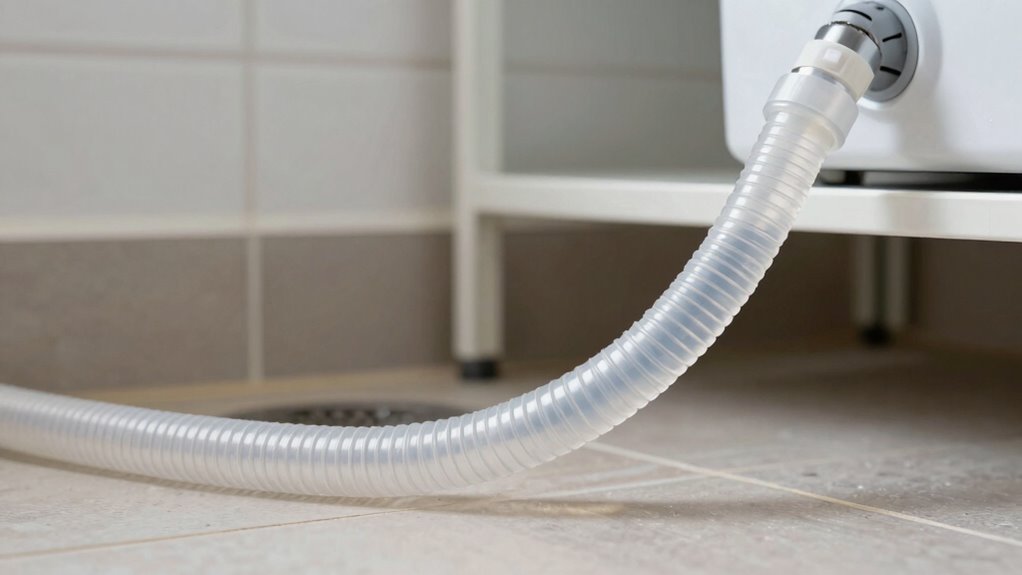
Have you ever wondered how to make your dehumidifier run more efficiently? One simple upgrade that often gets overlooked is installing a drain hose. This small change can dramatically reduce the hassle of frequent water collection and improve your dehumidifier’s performance. Instead of constantly monitoring the water collection tank and emptying it manually, a drain hose offers a continuous, hands-free solution. It’s especially handy if your space is large or humid enough that the water container fills up quickly. By connecting a drain hose, you let gravity do the work, and your device can run longer without interruption. This not only saves you time but also ensures the dehumidifier operates at peak efficiency, maintaining the ideal humidity level in your environment.
Using a drain hose also simplifies maintenance tips. Regularly checking and cleaning your dehumidifier is essential for its longevity, but with a drain hose, you reduce the chances of water overflow or mold growth inside the tank. You don’t have to worry about forgetting to empty the tank or dealing with potential water spillage, which can lead to damage or messes. Instead, you can focus on other maintenance tasks, like cleaning filters or inspecting vents, knowing that water is being safely channeled away. Proper installation can also help prevent clogged hoses and other issues that compromise performance. This setup minimizes the risk of mold, bacteria, or unpleasant odors caused by stagnant water in the tank. Plus, it helps keep your space cleaner and more hygienic.
Installing a drain hose is straightforward, but it’s important to choose the right one for your dehumidifier model. Check the size of your unit’s drain outlet and select a hose that fits snugly to prevent leaks. Some dehumidifiers come with built-in drain ports designed specifically for this purpose, making installation even easier. When setting it up, ensure the hose is positioned at a slight downward angle to promote proper water flow. If your space allows, route the hose to a nearby drain or sump pump, avoiding kinks or sharp bends that could restrict water flow. Proper installation not only enhances efficiency but also prolongs the lifespan of your dehumidifier. Additionally, understanding dehumidifier maintenance can help you optimize your setup and avoid common issues.
Products Worth Considering

Dyson V8 Cyclone Cordless Vacuum

Philips Hue Play HDMI Sync Box 4K

iRobot Roomba 105 Combo Robot Vacuum & Mop with AutoEmpty Dock
As an affiliate, we earn on qualifying purchases.
Frequently Asked Questions
Can Drain Hoses Be Used With All Dehumidifier Models?
Not all dehumidifier models are compatible with drain hoses, so you may face compatibility issues. Check your unit’s specifications to see if it supports continuous drainage; some models lack a drain port. Additionally, hose flexibility varies, so make sure you choose a hose that fits your setup comfortably. If your dehumidifier doesn’t support a drain hose, you might need an adapter or consider other drainage options.
How Long Do Drain Hoses Typically Last?
Hose durability varies, but with proper care, your drain hose can last several years. The material longevity depends on factors like exposure to sunlight or harsh chemicals, which can cause deterioration over time. Typically, a high-quality hose made from durable materials like reinforced rubber or PVC can serve you well for three to five years. Keep an eye on any signs of wear, and replacing it early saves you headaches later.
Are There Specific Materials Better for Outdoor Use?
For outdoor use, silicone and reinforced rubber hoses excel in outdoor durability because they resist UV rays, extreme temperatures, and weather conditions. Compared to standard vinyl hoses, these materials offer better longevity and flexibility. Silicone hoses withstand harsh sunlight without cracking, while reinforced rubber handles temperature fluctuations. Choosing these materials guarantees your drain hose remains functional longer, minimizing leaks or damage, and providing a reliable, maintenance-free solution for outdoor dehumidifier drainage.
What’s the Best Way to Secure the Hose to Prevent Leaks?
Think of securing your hose like locking a treasure chest—you want it tight and secure. Use hose clamps to firmly grip the connection, ensuring it won’t slip or leak. For extra assurance, wrap sealant tape around the hose’s end before attaching it. This combination creates a watertight seal, preventing leaks and water damage. Regularly check the connections to keep your dehumidifier running smoothly and avoid future headaches.
Do Drain Hoses Require Regular Cleaning or Maintenance?
Yes, drain hoses need regular cleaning and maintenance. You should establish a cleaning schedule to prevent mold, clogs, or odors. Maintenance tips include checking for debris, making sure the hose is clear, and inspecting for leaks or cracks. By doing this regularly, you keep your dehumidifier running efficiently and avoid potential water damage. A simple maintenance routine ensures your hose stays in top shape and functions properly.
Conclusion
Think of adding a drain hose to your dehumidifier as planting a steady stream of hope in your home. It’s like a gentle river that keeps flowing, preventing the flood of frustration and the storm of leaks. With this small upgrade, you’re guiding moisture away smoothly, ensuring your space stays dry and peaceful. Embrace this simple change, and let your home breathe easy—like a calm lake after a storm, resilient and serene.