
TL;DR

Get home appliances delivered free with Prime
- Fast, free delivery on millions of items
- Prime Video, Amazon Music and more included
- Member-only deals all year
A Family Handyman report, drawing on advice from roofing and HVAC contractors, identifies ten areas of the home to insulate or air-seal before winter, starting with the attic. Experts say the work reduces heating costs, protects pipes from freezing and eases strain on HVAC systems.
A fall insulation checklist published by Family Handyman identifies ten areas of the home — led by attic and roof spaces — that contractors say should be insulated or air-sealed before cold weather arrives. The guidance, drawn from interviews with roofing and HVAC professionals, targets the two main causes of winter heat loss: air leakage and heat transfer through building materials. The stakes, according to the report, are lower energy bills, plumbing protected from freezing and an HVAC system spared from overworking.
The report’s central argument is that sealing and insulation are separate jobs. “Sealing gaps goes a very long way with improving overall insulation,” said Andre Kazimierski of HomeHero Roofing, but he added that sealing alone is not enough: homeowners also need to reduce heat transfer through wood, metal and other construction materials, which requires insulation.
The ten priority areas are: attic and roof spaces; exterior walls; windows and doors; pipes and plumbing; basement and crawl space; garage walls and ceilings; HVAC ductwork; and electrical outlets and small air leaks. Kazimierski ranked the attic first, noting that aging roofs develop gaps that let cold air into the attic and then into the living space. He recommended a professional roof inspection, rigid foam or spray insulation under the roof deck, and fiberglass batt or blown-in insulation on the attic floor.
For walls, contractor Bob Cardwell of Cardwell HVAC said poorly insulated brick and concrete “act like heat sinks,” absorbing indoor heat and radiating it outdoors. His advice: blown-in insulation for finished walls and spray foam for gaps and air leaks. On pipes, Cardwell recommended protecting those near exterior walls and in unheated spaces with foam pipe sleeves, or electric heat cables where temperatures regularly drop below 32 degrees.
Why Insulating Now Pays Off
Winter energy bills routinely rise, and the report argues that avoidable heat loss adds unnecessary cost at a time when prices are climbing across the board. Proper insulation also has protective functions beyond comfort: it keeps water pipes from freezing and prevents HVAC equipment from overworking, which can shorten its life.
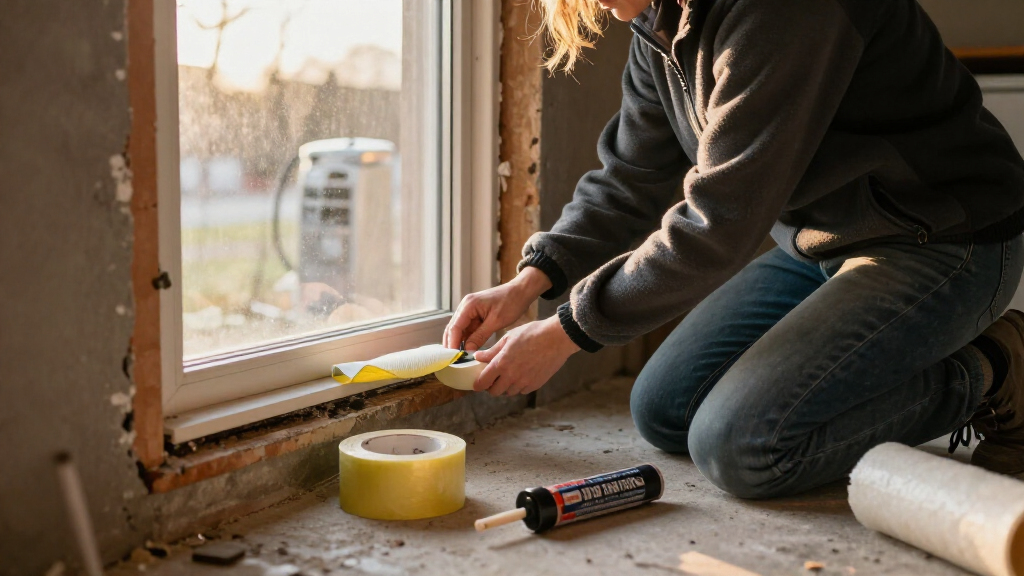
Some measures are low-cost and immediate. Cardwell recommended replacing shrunken, brittle rubber seals on windows and exterior doors, checking weatherstripping, and adding foam door sweeps — small jobs he described as among the most effective pre-winter tasks. Foam outlet gaskets and caulk around pipes and wires close leaks many homeowners never notice.
Products Worth Considering

Dyson Airwrap i.d. Multi-Styler for Straight and Wavy Hair

Shark Rotator Lift-Away Vacuum with DuoClean PowerFins (LA555) – Dark Grey

Ring Alarm 8-Piece Kit (2nd Gen) Home Security System
As an affiliate, we earn on qualifying purchases.
The Experts Behind the Checklist
The guidance comes from Family Handyman’s fall checklist and is based on interviews with several contractors: Andre Kazimierski of HomeHero Roofing, Bob Cardwell of Cardwell HVAC, and Cody Purtle of Silver Ridge Roofing. Purtle emphasized starting at the top of the house: “Warm air rises. Due to inadequate attic insulation, a significant amount of heat can escape through the roof.”
Cardwell noted one timing caveat: while fall is a practical window for most winterization, he said spring is actually the best season to add attic insulation, before summer heat makes attic work difficult.
The report also flags common failure points: rim joists, which run the entire perimeter of the house and are a frequent entry path for cold air; aging ductwork joints, which should be sealed with mastic and UL-listed foil tape rather than ordinary duct tape, which “dries out”; and damp garage walls, where moisture-resistant closed-cell foam or rigid foam board is advised.
“Sealing gaps goes a very long way with improving overall insulation.”
— Andre Kazimierski, HomeHero Roofing
Working Through the Checklist
Homeowners can begin with the simplest tasks — outlet gaskets, weatherstripping, door sweeps and caulk — before frost arrives. Attic inspection, blown-in wall insulation, duct sealing and heat-cable installation for vulnerable pipes typically call for a licensed roofing or HVAC contractor. For attic insulation specifically, Cardwell’s guidance suggests the next scheduled window after this winter is spring, ahead of summer heat.
Key Questions
What should I insulate first before winter?
All the experts cited agreed on the attic and roof. Cody Purtle of Silver Ridge Roofing said heat escaping through an under-insulated roof is a major source of loss because warm air rises.
Is fall the best time to insulate the attic?
According to Bob Cardwell, the best time is actually spring, before summer heat builds. Fall remains a practical deadline for sealing drafts and winterizing pipes.
Which water pipes need insulation?
The report prioritizes pipes near exterior walls and in unheated spaces such as attics, basements and crawl spaces. Use foam sleeves for exposed pipes and electric heat cables where temperatures regularly fall below 32 degrees.
Can I use regular duct tape on HVAC ducts?
No. Cardwell said ordinary duct tape dries out and fails; he recommends mastic sealant and UL-listed foil tape for leaking joints and seams.
Does my garage need full insulation?
Generally no, but any wall shared with the house should be insulated. Cardwell recommends moisture-resistant materials such as closed-cell spray foam or rigid foam board, since garages tend to be damp in winter.
Source: rss