
TL;DR
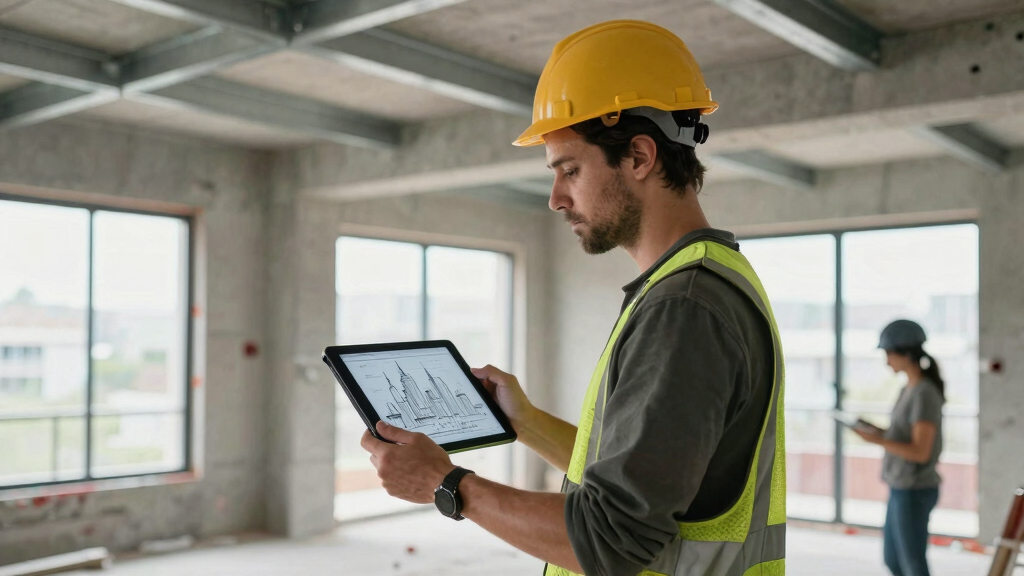
Jerusalem is undergoing a major construction boom, with numerous new developments and infrastructure projects underway. This surge is transforming the city into a more modern, urban environment, attracting attention from officials and residents alike.
Jerusalem is experiencing a significant construction surge that is rapidly transforming its urban landscape into a more modern metropolis. This development involves numerous new buildings, infrastructure upgrades, and urban planning projects, reflecting a concerted effort by city authorities and private investors. The surge in construction is drawing national and international attention, as the city’s skyline and infrastructure evolve to meet contemporary needs.
According to local officials and urban planners, Jerusalem has approved hundreds of new construction projects over the past year, including residential complexes, commercial centers, and transportation infrastructure. The Jerusalem Municipality reports that construction permits have increased by approximately 40% compared to the previous year, signaling a robust growth phase. Notable projects include the expansion of public transportation networks, new commercial districts, and modern residential neighborhoods designed to accommodate a growing population. Experts say this development aims to balance preserving Jerusalem’s historic sites with modern urban growth.City officials emphasize that the construction boom is part of a broader strategy to modernize infrastructure and improve living standards. Local residents and business owners have expressed mixed reactions; some welcome the economic opportunities and improved amenities, while others raise concerns about the impact on historic sites and urban congestion. Construction companies involved in these projects report high demand, with many projects expected to complete within the next 2-3 years.
Impacts of Jerusalem’s Rapid Urban Development
This construction surge is significant because it signals Jerusalem’s transition into a more modern urban environment, which could influence its economic development, housing availability, and infrastructure capacity. The transformation may also impact the city’s cultural and historical landscape, raising questions about balancing preservation with growth. For residents, this development could mean better services and amenities but also increased congestion and changes to the city’s historic character.
For policymakers, the surge presents both opportunities for economic growth and challenges in managing urban planning and heritage conservation. The broader implications include potential shifts in Jerusalem’s demographic composition and its role as a religious and cultural hub.

SAFEBUILDER ABS Work-at-Height and Rescue Hard Hat Construction Safety Helmet Slotted Ventilated w/Adjustable Ratchet 6-Point Suspension ANSI Z89.1-14 (01-White Safety Helmet)
【Comfortable Fit】: SAFEBUILDER Work Hard Hat with 6-points suspension, Good at Shock Impact when workers work in danger,…
As an affiliate, we earn on qualifying purchases.
As an affiliate, we earn on qualifying purchases.
Recent Urban Growth and Jerusalem’s Development Plans
Over the past decade, Jerusalem has seen steady growth, but the current construction boom marks a notable acceleration. This trend is driven by government initiatives aimed at expanding housing and infrastructure, as well as private sector investments responding to increased demand. The city’s strategic development plans include expanding public transportation, creating new commercial zones, and upgrading existing neighborhoods to meet modern standards. Historically, Jerusalem’s growth has been constrained by its religious and cultural significance, but recent policies aim to strike a balance between heritage preservation and urban expansion.
Previous projects, such as the light rail system and new residential towers, laid the groundwork for this surge. The current wave of construction is more extensive, with dozens of projects at various stages of planning and execution. Local authorities have emphasized that their goal is sustainable growth that enhances the city’s infrastructure without compromising its historic identity.
“We are committed to modernizing Jerusalem while respecting its unique heritage. Our current projects aim to improve the quality of life for residents and visitors alike.”
— Jerusalem Mayor Moshe Lion

Sooez Architectural Templates, House Plan, Interior Design and Furniture Template, Drafting Tools and Supplies – Set of 3
Premium Quality : Made From Flexible, Yet Sturdy Material. Resilient and Convenient to Use
As an affiliate, we earn on qualifying purchases.
As an affiliate, we earn on qualifying purchases.
Unresolved Questions About Preservation and Impact
It is not yet clear how effectively Jerusalem’s authorities will balance new development with the preservation of its historic and religious sites. Concerns remain about potential disruptions to cultural landmarks, urban congestion, and environmental impacts. Additionally, the long-term economic and social effects of this rapid growth are still developing, and the full scope of community response remains uncertain.

Modern Residential Construction Practices
As an affiliate, we earn on qualifying purchases.
As an affiliate, we earn on qualifying purchases.
Upcoming Projects and Urban Planning Milestones
Next steps include the completion of several major construction projects scheduled over the next 12-24 months, including expanded transportation infrastructure and new residential neighborhoods. City officials plan to review urban planning policies to address congestion and heritage conservation. Public consultations and environmental assessments are expected to continue, shaping the future trajectory of Jerusalem’s urban development.

Public-Private Partnerships: Infrastructure, Transportation and Local Services
As an affiliate, we earn on qualifying purchases.
As an affiliate, we earn on qualifying purchases.
Key Questions
What types of buildings are being constructed in Jerusalem?
New residential complexes, commercial centers, transportation infrastructure, and public amenities are currently under construction to accommodate a growing population and modernize the city.
How is the city balancing development with heritage preservation?
City authorities emphasize that they aim to integrate new projects with preservation efforts, though the effectiveness of this balance remains under review and is a subject of ongoing debate.
When will the major construction projects be completed?
Most projects are expected to finish within the next 2-3 years, with some infrastructure upgrades scheduled for completion by late 2024 or early 2025.
What are residents’ opinions on this construction surge?
Reactions are mixed; some residents welcome improved services and economic opportunities, while others are concerned about congestion, noise, and impacts on historic sites.
Environmental assessments are ongoing, but concerns about urban pollution, green space reduction, and construction waste have been raised by local environmental groups.
Source: local