If your De’Longhi espresso machine is leaking water, it can disrupt your brewing experience and potentially cause damage. Understanding the common causes of leaks and how to fix them can save you time and money. This guide provides practical, safe, and clear steps to diagnose and resolve water leaks in your De’Longhi Magnifica Evo or similar models.
Whether the leak is from the water tank, internal components, or connections, identifying the source is the first step toward effective repair. Remember, always unplug your machine before attempting any troubleshooting or repairs to ensure safety.
Key Takeaways
| Identify the leak source | Determine whether water is leaking from the water tank, internal components, or connections. |
| Routine maintenance helps | Regular descaling and filter replacement prevent leaks caused by mineral buildup. |
| Check seals and gaskets | Worn or damaged seals are common causes of water leaks in espresso machines. |
| Handle repairs safely | Always unplug the machine and follow step-by-step instructions for safe troubleshooting. |

De'Longhi Magnifica Evo Next Fully Automatic Espresso Machine - Programmable Coffee Maker with Grinder and Milk Frother - Hot & Cold Brewer for Espresso, Latte, Cappuccino, Americano, Tea and More
#1 Super Automatic Espresso Maker in the US*, *Source: Circana Retail Tracking Service, Unit Share, Jan. 2025 -...
As an affiliate, we earn on qualifying purchases.
Step 1: Turn Off and Unplug the Machine
Before starting any troubleshooting, ensure your De’Longhi espresso machine is turned off and unplugged from the power outlet. This prevents electrical hazards and allows you to safely inspect the device.
Remove the water tank carefully and place it on a towel or sink to check for leaks or cracks. Never attempt to disassemble internal components while the machine is plugged in.

De'Longhi Replacement Water Filter for Select Espresso Machines, DLSC002
Designed to optimize the water quality
As an affiliate, we earn on qualifying purchases.
Step 2: Inspect the Water Tank and Connections
- Check the water tank for cracks, damage, or warping. A compromised tank can leak during use or when handled.
- Ensure the water tank is seated properly in its compartment. Misalignment can cause leaks around the connection point.
- Inspect the water inlet and outlet valves for signs of wear or damage. Tighten any loose fittings, but avoid overtightening to prevent damage.
Step 3: Examine Seals, Gaskets, and Internal Components
Leaks often originate from worn or damaged seals and gaskets inside the machine. Carefully open the access panel following your model’s user manual instructions.
Look for cracked or deformed seals, especially around the brew group and water pathways. Replace any damaged seals with genuine De’Longhi replacement parts for best results.
Check for mineral buildup or debris that could be obstructing water flow, and clean with a soft brush or descaling solution if necessary.
Step 4: Perform Descaling and Maintenance
Mineral deposits can cause internal blockages leading to water leaks. Regular descaling is essential, especially if your machine has a buildup of limescale.
Use a descaling solution like the De’Longhi EcoDecalk Descaler, following the instructions for your model. Descaling not only prevents leaks but also maintains optimal performance and flavor of your coffee.
Step 5: Test and Final Checks
After inspecting and fixing potential issues, reassemble the machine and fill the water tank. Plug it in and run a short brew cycle without coffee to observe for leaks.
If the leak persists, recheck all seals and connections, or consider consulting a professional repair service. Always prioritize safety and proper handling.
The Products in This Guide
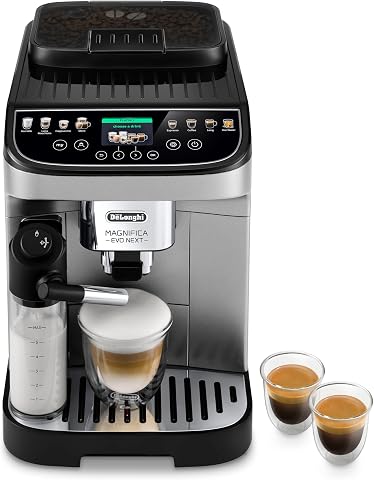
De’Longhi Magnifica Evo Next Fully Automatic Espresso Ma
- ✔ Water Tank Capacity: Not specified
- ✔ Grind Settings: 13
- ✔ Milk Frother: Yes

De’Longhi Replacement Water Filter
- ✔ Filter Life: Various, depending on usage
- ✔ Compatibility: Selected De’Longhi models
- ✔ Installation: Easy and tool-free
De’Longhi Magnifica Evo Next Fully Automatic Espresso Ma
The De’Longhi Magnifica Evo Next offers a comprehensive brewing experience with its programmable features, built-in grinder, and milk frother. Despite occasional leaks, regular maintenance ensures long-term performance. Its versatility makes it a top choice for espresso lovers.
Pros:
- User-friendly interface
- Built-in grinder with multiple settings
- Automatic milk frother
- Wide variety of drink options
Cons:
- Can leak if seals are damaged
- Requires regular descaling
- Water tank can be cumbersome to remove
Best for: Home baristas seeking convenience and quality in one machine
Not ideal for: Users who prefer manual espresso machines or minimal maintenance
Bottom line: A versatile, automatic espresso machine that benefits from regular maintenance to prevent leaks.
De’Longhi Replacement Water Filter
Replacing the water filter regularly with the De’Longhi Replacement Water Filter can significantly reduce mineral buildup and prevent leaks caused by limescale. It’s an easy and effective maintenance step that prolongs your machine’s lifespan.
Pros:
- Improves water quality
- Prevents scale buildup
- Easy to install
- Enhances coffee flavor
Cons:
- Requires periodic replacement
- Additional cost
- Not a fix for internal leaks
Best for: Maintaining water quality and preventing leaks
Not ideal for: If your leak is caused by internal damage or worn seals
Bottom line: A simple step to improve water quality and help prevent leaks over time.
Frequently Asked Questions
Why is my De’Longhi espresso machine leaking water?
Leaks can be caused by damaged seals, cracks in the water tank, mineral buildup, or loose connections. Proper inspection and maintenance are key to diagnosis.
How often should I descale my De’Longhi machine?
Descaling frequency depends on usage and water hardness, but generally every 2-3 months or after 300-400 brewing cycles to prevent mineral buildup.
Can I fix internal leaks myself?
Yes, if you are comfortable with disassembly and follow safety procedures. Otherwise, seek professional repair to avoid damaging internal components.
What maintenance can prevent leaks?
Regular descaling, replacing water filters, inspecting seals and gaskets, and ensuring proper assembly can prevent most leaks.
When should I replace the water tank?
Replace the water tank if it shows signs of cracks, warping, or persistent leaks even after seal checks and cleaning.
Keep Your Espresso Perfect — Troubleshoot Water Leaks Effectively
Water leaks in your De’Longhi espresso machine can be frustrating, but with careful inspection and routine maintenance, most issues are fixable. Regular descaling, checking seals, and replacing worn parts help ensure your machine runs smoothly for years to come. Always prioritize safety during troubleshooting, and don’t hesitate to seek professional help if needed. A well-maintained machine provides consistently delicious coffee and a hassle-free experience.
Affiliate disclosure: As an Amazon Associate we earn from qualifying purchases. Prices and availability are accurate as of the time of publishing.