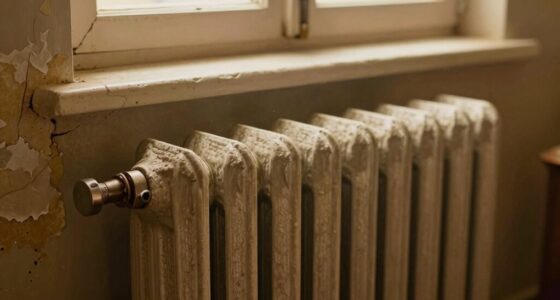

Dry air and static shocks are more than just annoying; they can signal safety risks, electronic damage, and poor indoor air quality. Low humidity causes static buildup, increasing the chance of sparks that might ignite fumes or harm sensitive devices. It also indicates your environment isn’t properly balanced for safety and comfort. Maintaining the right humidity levels helps reduce static shocks and protects your belongings. If you want to understand how to improve your indoor air, keep exploring.

Get home appliances delivered free with Prime
- Fast, free delivery on millions of items
- Prime Video, Amazon Music and more included
- Member-only deals all year
Key Takeaways
- Persistent static shocks indicate low indoor humidity, which can harm electronic devices and increase fire risk.
- Chronic static buildup may lead to electrical damage or sparks that ignite fumes or flammable materials.
- Low humidity can cause skin dryness and respiratory issues, affecting overall health and comfort.
- Increased static electricity suggests an unbalanced electrical environment, potentially impacting sensitive equipment.
- Managing indoor humidity reduces static risks and promotes a safer, healthier living or working space.

Dry air often causes static shocks, especially during winter months when humidity levels drop. When the air lacks moisture, your body and other objects in your environment become more prone to building up static electricity. The buildup leads to sudden electrostatic discharges—those surprising zaps you feel when touching a doorknob or a metal appliance. While these shocks might seem like mere annoyances, they can also be indicators that your indoor environment isn’t ideally balanced.
One of the main reasons static shocks happen is because dry air hampers the natural dissipation of electrostatic charge. When humidity is low, electrons build up on surfaces and your body, increasing the chances of electrostatic discharge. The solution isn’t just about avoiding shocks but also about understanding how to manage the electrical environment. Indoor humidification plays an essential role here. By raising the moisture levels in your home, you can greatly reduce static buildup, making shocks less frequent and less intense.
Implementing indoor humidification isn’t complicated. You can use humidifiers, which add moisture directly into the air, or place bowls of water near heat sources to promote evaporation. Increasing humidity to around 40-50% can make a noticeable difference in reducing static electricity. Not only does this improve comfort, but it also helps protect sensitive electronics and reduces the risk of static-induced damage. It’s a simple step that can make your living space safer and more comfortable, especially during the winter months when heating systems tend to dry out the air further. Maintaining proper humidity levels also supports overall indoor air quality, making your environment healthier and more comfortable.
Beyond the discomfort of static shocks, electrostatic discharge can also pose safety risks. For example, if you work with flammable substances or sensitive electronic components, static buildup can cause sparks that might ignite fumes or damage delicate parts. Maintaining proper indoor humidity levels minimizes these risks by reducing static charge accumulation. It’s not just about avoiding shocks; it’s about creating an environment that’s safer for both people and equipment. Proper humidity management contributes to static electricity control, which is vital for a safe indoor environment. Additionally, managing humidity can help prevent potential damage to electronic devices caused by static buildup. Proper humidity levels also influence the electrical conductivity of surfaces, further reducing static risks.
Products Worth Considering

Levoit Core 400S-P Smart Air Purifier for Large Rooms

Levoit Vital 100S-P Air Purifier with Washable Pre-Filter

Levoit Core 300S-P Smart WiFi Air Purifier
As an affiliate, we earn on qualifying purchases.
Frequently Asked Questions
Can Dry Air Cause Long-Term Health Issues?
Dry air can contribute to long-term health issues if it persists, as it negatively impacts indoor air quality and your respiratory health. You might experience frequent coughing, sore throats, or increased susceptibility to colds. Over time, consistently dry air can lead to inflammation in your airways and exacerbate asthma or allergies. To protect your health, maintain proper humidity levels and improve indoor air quality with humidifiers or plants.
Are Static Shocks Harmful to Electronic Devices?
Static shocks can harm electronic devices through electrostatic discharge, which can damage sensitive components. While a single shock might not cause immediate failure, repeated ESD events weaken material conductivity, increasing the risk of long-term damage. You should take precautions, like grounding yourself and controlling humidity, to reduce static buildup. Protect your devices by understanding that static shocks aren’t just annoying—they can compromise their functionality over time.
How Can I Quickly Increase Indoor Humidity Levels?
To quickly boost indoor humidity, use a humidifier and guarantee proper humidifier maintenance for efficiency. You can also add natural moisture sources like bowls of water on radiators, houseplants, or damp towels hung in rooms. These methods increase moisture levels rapidly, reducing static shocks and dry air discomfort. Regularly clean your humidifier to prevent mold and bacteria buildup, maintaining a healthy indoor environment while improving humidity swiftly.
Do Static Shocks Indicate Underlying Electrical Problems?
Static shocks are like sparks from a fire, signaling your home’s electrical system needs attention. They don’t necessarily mean there’s an underlying electrical problem but could indicate poor electrical grounding or inadequate humidity regulation. To guarantee safety, check your grounding system and consider boosting indoor humidity, which helps reduce static buildup. If shocks persist, consult an electrician to rule out wiring issues and keep your home safe.
Are Certain Materials More Prone to Static Buildup?
Certain materials, like synthetic fabrics and insulating materials, are more prone to static buildup. You’ll notice that synthetic fabrics such as polyester and nylon generate more static electricity because they insulate electrons, trapping charge. Insulating materials prevent static from dissipating quickly, causing shocks and static cling. To reduce static, consider wearing natural fibers like cotton or using anti-static sprays, especially in dry environments where static buildup tends to increase.
Conclusion
So, next time you get zapped by static or notice dry air, remember it’s more than just a minor annoyance. It can cause discomfort and even damage electronics. You might think a humidifier is unnecessary, but it actually helps keep your skin comfortable and reduces static buildup. Don’t dismiss it—adding moisture to the air can make a big difference in your daily comfort and protect your belongings. Give it a try, and see how much better you feel!