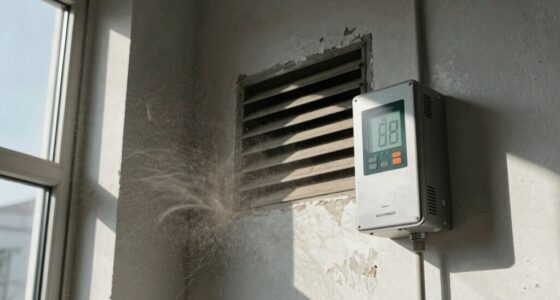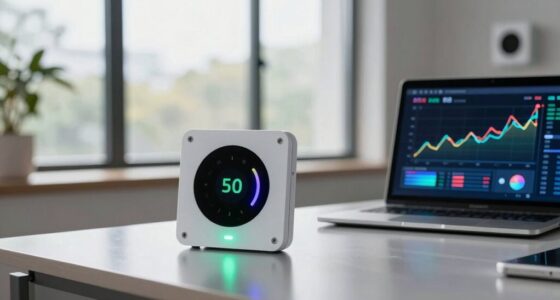
Monitoring CO2 spikes in your bedroom shows more about your sleep environment’s air quality than any sleep app can. High CO2 levels can cause headaches, fatigue, and poor sleep quality, even if you feel rested. Using sensors and ventilation strategies helps you identify when fresh air is needed. Regularly checking CO2 allows you to improve airflow and create a healthier sleep space. Keep going, and you’ll discover how to transform your room for better rest.

Get home appliances delivered free with Prime
- Fast, free delivery on millions of items
- Prime Video, Amazon Music and more included
- Member-only deals all year
Key Takeaways
- CO2 sensors provide real-time data on air quality, revealing ventilation issues not detected by sleep apps.
- Elevated CO2 levels can cause fatigue and headaches, indicating poor sleep conditions beyond sleep pattern analysis.
- Monitoring CO2 spikes helps identify environmental factors affecting sleep quality and overall health.
- Effective ventilation strategies reduce CO2 buildup, improving sleep environment more directly than app-based insights.
- Managing indoor air quality with sensors supports healthier sleep and long-term well-being beyond sleep pattern tracking.
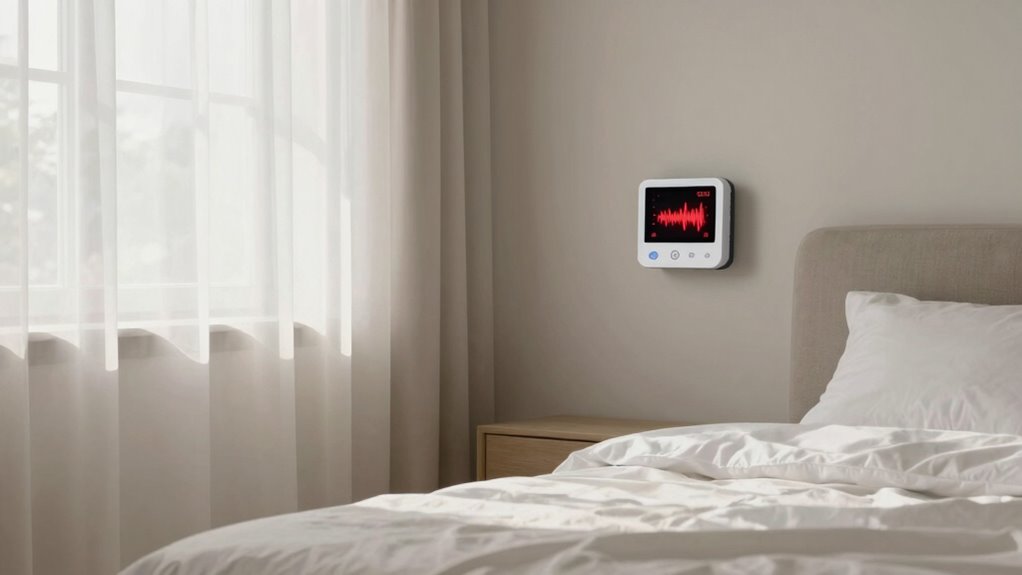
If you’ve ever woken up feeling groggy or headachy despite a full night’s sleep, elevated CO2 levels in your bedroom might be to blame. Carbon dioxide naturally accumulates when you breathe, especially in enclosed spaces with poor air circulation. When CO2 levels rise too high, it can cause symptoms like fatigue, headaches, and difficulty concentrating, making you feel less rested even after a full night’s sleep. This isn’t just about comfort—high CO2 levels can also signal poor air quality, which impacts your overall health and sleep quality.
Monitoring CO2 spikes can give you a clearer picture of what’s happening in your bedroom. Many new devices now track indoor air quality, revealing when CO2 levels reach thresholds that could hinder your sleep. Unlike sleep apps that focus solely on your sleep patterns, these sensors provide real-time data on your environment. By paying attention to these readings, you can identify whether your bedroom’s ventilation strategies are effective or need improvement. For example, if you notice consistent CO2 spikes overnight, it suggests your room isn’t ventilating well enough to replace stale air with fresh air. Improving ventilation can also help reduce other indoor pollutants, creating a healthier sleep environment.
Improving ventilation is key to reducing CO2 buildup. Simple ventilation strategies—such as opening windows, using exhaust fans, or installing air purifiers with fresh air intake—can significantly improve air quality. If you live in a city or an area with high outdoor pollution, consider mechanical solutions like controlled ventilation systems that bring in filtered outside air. These strategies help maintain a more balanced indoor environment, preventing CO2 from reaching levels that impair your sleep. It’s not just about fresh air; it’s about creating a space where your body can breathe freely, and your mind can rest undisturbed. Additionally, understanding the impact of indoor air quality on health emphasizes the importance of managing these levels proactively. Regularly checking air quality levels can help you stay informed and motivated to improve your environment.
Recognizing the role of biodiversity in maintaining healthy indoor environments can also inspire sustainable practices that benefit both your health and the planet. Understanding and managing CO2 levels in your bedroom isn’t just about avoiding discomfort; it’s about optimizing your sleep environment for better health and well-being. When you pay attention to air quality and implement effective ventilation strategies, you can reduce the chances of waking up tired or headachy. Incorporating plants that absorb CO2 can be an eco-friendly way to naturally improve indoor air quality. In the end, using CO2 sensors alongside good ventilation practices provides a simple yet powerful way to improve your sleep environment. It’s a proactive step that helps ensure your bedroom supports restful, restorative sleep every night.
Products Worth Considering

Blueair Blue Pure 511i Max Air Purifier for Home and Bedroom

Blueair Blue Pure 211i Max Smart Air Purifier for Large Rooms

Dyson Purifier Hot+Cool HP1
As an affiliate, we earn on qualifying purchases.
Frequently Asked Questions
How Quickly Can CO2 Levels Change Overnight?
CO2 levels can change quite quickly overnight, sometimes within minutes, especially if air circulation is poor. As you sleep, your body’s metabolism increases CO2 production, and without proper ventilation, it accumulates, impacting sleep quality. You might notice a rise in CO2 levels in just 15-30 minutes if air isn’t circulating well. Ensuring good airflow helps maintain stable CO2 levels and improves your overall sleep environment.
Are CO2 Spikes a Sign of Poor Ventilation or Other Issues?
Yes, CO2 spikes often indicate poor indoor air quality caused by inadequate ventilation systems. When your ventilation isn’t effectively exchanging stale air, CO2 levels rise quickly, signaling a need for better airflow. You should check your ventilation setup and consider improving it, especially if you notice frequent or high CO2 spikes. Proper ventilation helps maintain healthy indoor air quality and prevents discomfort or health issues linked to elevated CO2 levels.
Can High CO2 Levels Cause Long-Term Health Problems?
High CO2 levels can seriously damage your respiratory health over time, making you feel constantly exhausted and breathless. Poor indoor air quality can lead to chronic headaches, fatigue, and even more severe lung issues. Ignoring CO2 spikes isn’t just a small mistake — it’s risking long-term health. You need to improve ventilation now to protect your respiratory health and guarantee your indoor air stays fresh and safe every day.
What Are the Best Ways to Measure Bedroom CO2 Accurately?
To measure bedroom CO2 accurately, you should use a high-quality CO2 sensor with proper calibration, ideally monthly, to guarantee precision. Place the sensor at breathing height, away from windows, doors, or vents, to avoid false readings. Follow strategic placement strategies, like avoiding direct sunlight or drafts, and keep the sensor in a central location for consistent monitoring. Regular calibration and thoughtful placement give you reliable data on indoor air quality.
Do Certain Bedroom Activities Increase CO2 Levels More Than Others?
Certain activities, like exercising or cooking, can spike your bedroom’s CO2 levels more than simply sleeping or relaxing. While physical exertion increases air quality concerns, even talking loudly or having guests can elevate CO2, impacting sleep quality. Elevated CO2 reduces oxygen intake, making it harder to breathe comfortably and disrupting sleep. Keeping the room well-ventilated during active moments helps maintain air quality and guarantees better sleep quality.
Conclusion
So, next time your sleep app blames your tossing and turning on stress, maybe it’s your bedroom’s covert CO2 conspiracy. Instead of ignoring those pesky spikes, consider them the silent but oh-so-helpful alarm bells of your indoor air quality. After all, who needs fancy gadgets when a simple sensor can reveal the real culprit—your room’s own toxic breath? Sleep smarter, breathe better, and let the air do the talking—loud and clear.