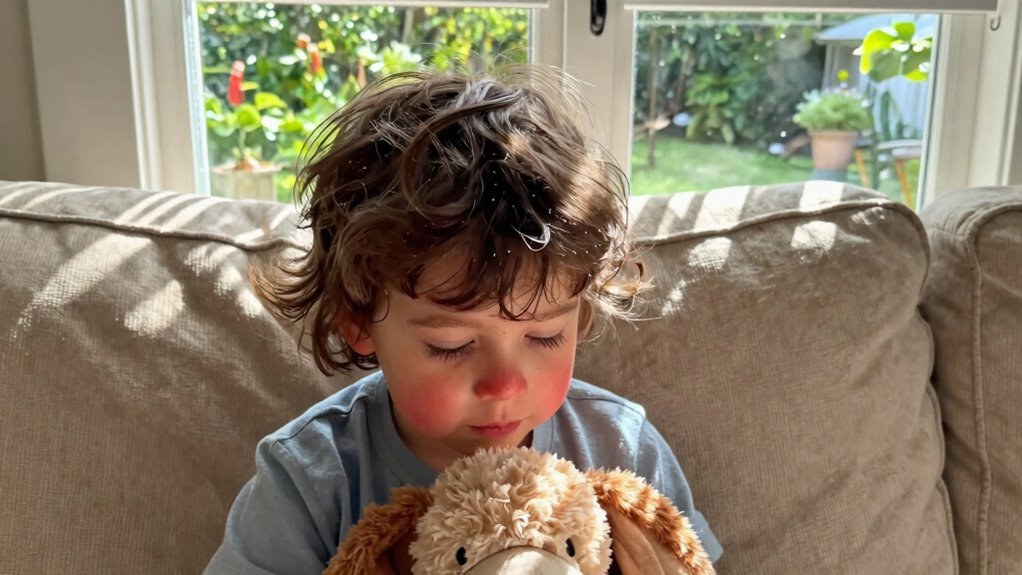
When your children play outside in spring, they unknowingly pick up pollen on their clothes, shoes, and toys. Even if you keep the windows shut, pollen clings to fabrics and can easily transfer inside. Shoes tracked on the floor, touching their face, or handling outdoor gear can all carry allergens indoors. Regular cleaning and using air purifiers can help, but understanding how pollen gets inside can help you better manage the issue. Keep going to learn more.
Key Takeaways
- Children carry pollen on their clothing, hair, and shoes after outdoor play, transferring allergens indoors.
- Pollen can cling to fabrics and surfaces, spreading even when windows are closed.
- Touching their face or rubbing eyes can transfer pollen from skin to nasal passages.
- Shoes track pollen and outdoor particles inside, contaminating floors and furniture.
- Indoor items like gear and furniture can harbor pollen, reintroducing allergens into the home environment.
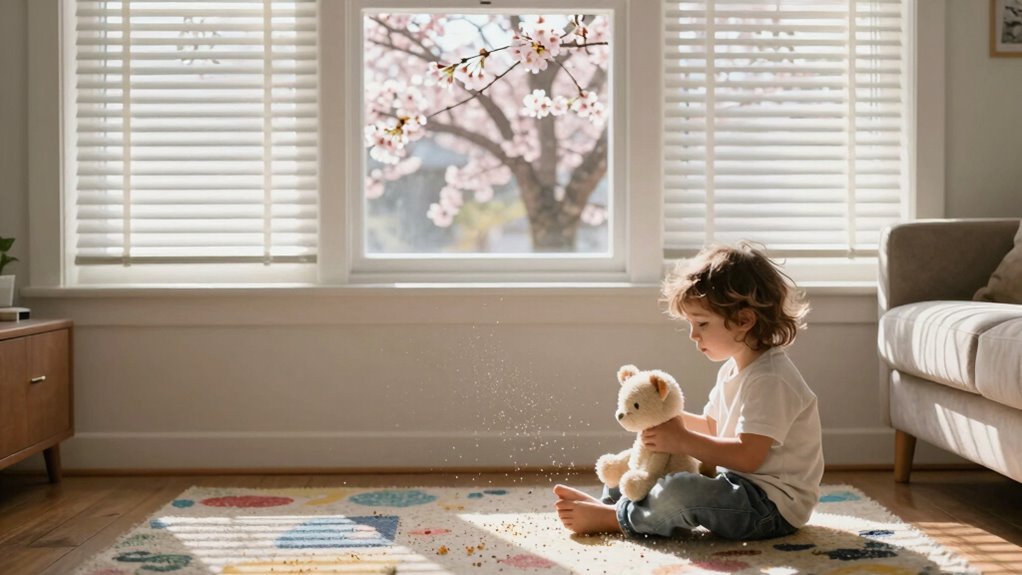
Children are naturally active and curious, often bringing outdoor elements indoors without even realizing it. When they play outside, they pick up pollen on their clothes, shoes, and hair. Pollen grains are tiny, lightweight, and easily cling to fabric fibers, making it almost impossible to prevent them from entering your home completely. Once inside, pollen settles on furniture, carpets, and clothing, contributing to indoor allergen levels. This ongoing transfer increases pollen exposure indoors, making it harder for sensitive children to breathe comfortably, especially if they already suffer from allergies or asthma.
Children’s outdoor play can transfer pollen indoors, worsening allergy symptoms and making breathing difficult during spring.
Even if the windows stay shut, pollen can still find its way inside through other means. Clothing acts as a carrier for pollen particles, and every time your child touches their face, rubs their eyes, or scratches their nose, they might inadvertently transfer pollen onto their skin or into their nasal passages. Additionally, pollen can be tracked into your home on shoes, which is why removing footwear at the door is recommended. Without proper cleaning habits, pollen can accumulate on flooring and upholstery, continuously impacting indoor air quality.
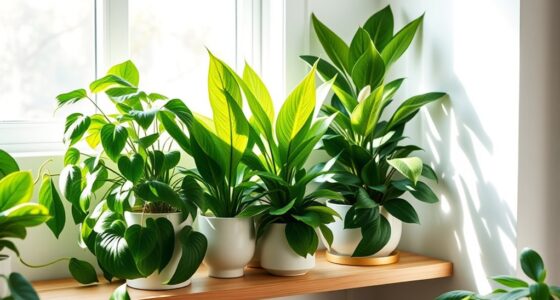
Another factor is that pollen can enter through ventilation systems if your home isn’t equipped with high-quality filters. Central air conditioning or heating units may circulate pollen-laden air if filters aren’t changed regularly or if they aren’t designed to trap fine particles. This circulation makes indoor air more allergenic, especially during peak pollen seasons. Without proper filtration, indoor pollen exposure remains an ongoing challenge, even with windows closed. Regularly changing filters and investing in high-efficiency filters can significantly reduce pollen circulation indoors. Moreover, proper ventilation practices can help minimize stagnant indoor air that traps allergens. In addition, ensuring that air purifiers are properly maintained can further decrease indoor pollen levels. Using indoor plants that do not produce pollen can also help reduce allergen presence indoors.
Indoor plants and outdoor furniture brought inside can also harbor pollen, especially if they are not cleaned thoroughly before being brought indoors. If you or your children bring in outdoor gear or sports equipment, pollen can cling to these items, adding to indoor allergen levels. Dust, pet dander, and indoor allergens can compound the problem, creating a mixture of indoor allergens that worsen allergy symptoms.
In short, your child’s outdoor activities during spring don’t just affect them outside; they can also influence indoor air quality. To minimize pollen exposure at home, focus on cleaning routines, using air purifiers with HEPA filters, and maintaining good indoor hygiene. Recognizing these unseen pathways helps you create a safer, more comfortable environment for your child during allergy season.

LEVOIT Air Purifier for Home Allergies and Pets Hair Smokers in Bedroom, H13 True HEPA Filter, 24db Filtration System Cleaner Odor Eliminators, Remove 99.97% Dust Smoke Mold Pollen, Core 300, White
- AHAM Verified for Performance: Independently tested for quality and efficiency
- Powerful Filtration System: 56W motor with 143 CFM CADR
- Effective Air Cleaning: Removes 99.97% dust, smoke, mold, pollen
As an affiliate, we earn on qualifying purchases.
As an affiliate, we earn on qualifying purchases.
Frequently Asked Questions
Can Indoor Plants Contribute to Allergen Levels Inside Homes?
Indoor plants can contribute to allergen levels inside your home, especially if they harbor indoor mold or attract pet dander. Mold can grow in moist soil or on plant leaves, releasing spores that trigger allergies. Pet dander might also cling to plant surfaces if you have pets. To reduce allergens, keep plants clean, avoid overwatering, and choose low-allergen varieties. Regular maintenance helps keep indoor air healthier for everyone.
How Do Allergens Travel From Outdoor to Indoor Environments?
A saying goes, “Where there’s smoke, there’s fire,” and the same applies to allergens. Pollen drift and airborne particles easily hitch a ride on clothing, shoes, and pets, bringing outdoor allergens inside even with windows shut. You might think indoor air stays clean, but these tiny particles cling to fabrics and surfaces, making it hard to avoid allergens altogether. Regular cleaning and changing clothes after outdoor activities help reduce this indoor transfer.
Are Air Purifiers Effective Against Spring Allergens?
Air purifiers can be effective against spring allergens if you maintain them properly and choose the right filter types. Regular air purifier maintenance guarantees ideal performance, preventing allergen buildup. HEPA filters are especially effective at trapping pollen, dust, and pet dander. Make sure to change filters as recommended, typically every few months, and select a model suited for your room size to reduce allergens indoors and improve air quality.
Do Children’s Clothing or Toys Carry Pollen Indoors?
Yes, children’s clothing and toys can carry pollen indoors, acting like tiny pollen carriers. Clothing contamination happens when pollen clings to fabrics during outdoor play, and toy contamination occurs when kids bring pollen home on their favorite playthings. These allergens cling stubbornly, sneaking inside even with windows shut. That’s why it’s essential to wash clothes regularly and clean toys often—your home needs a pollen quarantine!
What Are the Signs of Allergen Exposure in Children?
You might notice your child sneezing, coughing, or experiencing itchy eyes as signs of allergen exposure. They could also have a runny nose or develop skin rashes. If these symptoms persist, allergy medication can help with symptom management. Keep an eye on their breathing, and consult a doctor if symptoms worsen or don’t improve, ensuring you address allergen exposure promptly and effectively.

Filtrete 16x20x1 Air Filter, MERV 11, MPR 1000, Allergens & Pet Dander, 3-Month AC and Furnace Filters, Cleaner Air, Reliable Airflow, 2 HVAC Filters (Actual Size 15.68 x 19.68 x 0.81 in)
- Package Includes: 2 filters for 3-month use each
- Filter Size: Actual 15.68 x 19.68 x 0.81 inches
- Filtration Technology: Filtrete 3-in-1 technology
As an affiliate, we earn on qualifying purchases.
As an affiliate, we earn on qualifying purchases.
Conclusion
Even when you keep the windows shut tight, spring’s sneaky allergens can still find their way into your home, like tiny, unwelcome visitors sneaking past a locked door. Your child’s clothes, backpacks, and even their hair act as tiny carriers, spreading pollen and dust inside like a whispering wind. So, while you try to seal out the outdoors, remember that allergens are clever travelers, hitching a ride on everyday essentials, turning your home into a springtime jungle of sneezes and sniffles.

Shoe Covers Disposable Non Slip -100 Pack(50 pairs) 15.7'' Hygienic Waterproof Foot Booties Covers Recyclable Shoe Booties Covers for Indoors, Fits Up to US Men's 11 & US Women's 12.5
- One Size Fits Most: Stretchable 15.7 inches, fits US 11/12.5 shoes
- Durable Plastic Material: Resilient, tear-resistant, waterproof, anti-slip surface
- Easy to Use: Simple to put on and remove, ideal for various activities
As an affiliate, we earn on qualifying purchases.
As an affiliate, we earn on qualifying purchases.

Maire Originals Poison Ivy Wipes Relief Outdoor Cleansing 25 sheets
- Technology: Urushiol lock technology for quick cleansing
- No-Water Use: Individually wrapped outdoor skin cleanser wipes
- Large Coverage: 300 x 200 mm wipes for extensive cleaning
As an affiliate, we earn on qualifying purchases.
As an affiliate, we earn on qualifying purchases.