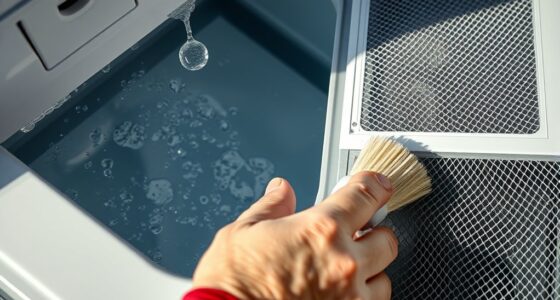
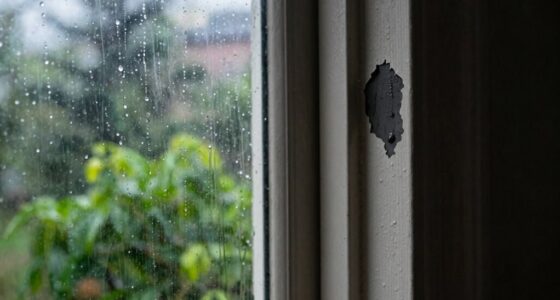
You need different storage methods for photos, books, and leather goods because they each react uniquely to moisture. Photos can stick, warp, and develop spots in high humidity, while dry conditions make them brittle. Books absorb moisture, causing swelling and mold, but too dry and they crack. Leather swells or stiffens with moisture, risking mold or cracks if dry. Understanding these reactions helps you protect your valuables—keep exploring to find the best storage tips for each item.
Key Takeaways
- Photos are vulnerable to mold, warping, and sticking in high humidity, requiring airtight storage and dehumidifiers.
- Books absorb moisture, causing swelling, mold growth, and weakening, best stored at 40-50% humidity.
- Leather goods swell and mold in excess moisture, but become stiff and crack in overly dry conditions.
- Dry environments cause photos and paper to become brittle, risking tears and accelerated deterioration.
- Proper preservation involves maintaining stable, moderate humidity levels tailored to each material’s sensitivity.
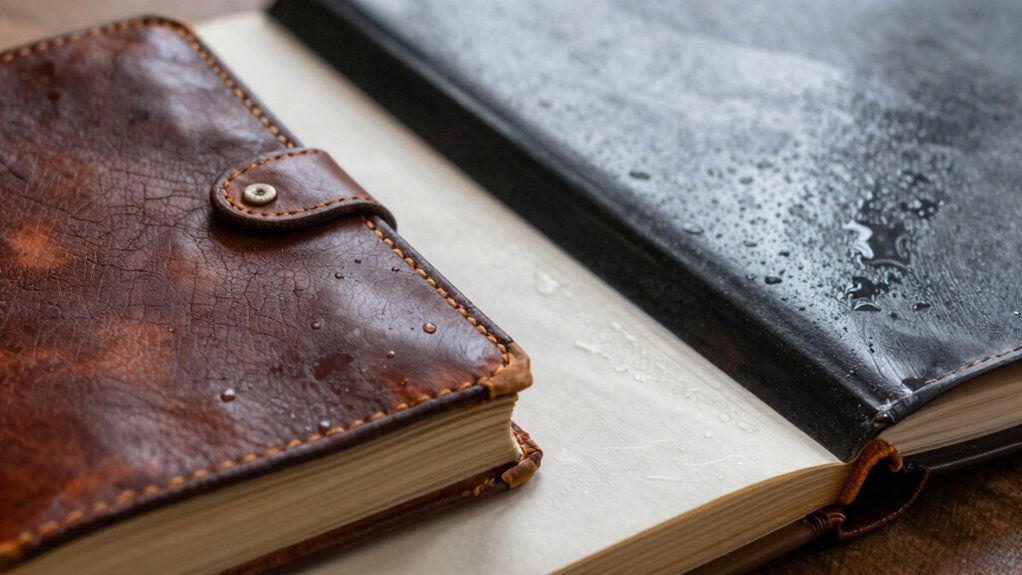
Moisture affects photo storage, books, and leather goods in distinct ways, making it essential to understand how each material reacts. When you’re managing your collection or prized possessions, humidity effects can substantially influence their longevity. For photographs, high humidity creates an environment where mold and mildew thrive, risking irreparable damage. Excess moisture can cause photos to stick together, warp, or develop spots, complicating preservation efforts. To protect them, you need to control moisture levels carefully, using airtight containers or dehumidifiers to maintain a stable environment. Low humidity, on the other hand, can make photos brittle and prone to cracking, so striking a balanced humidity level is critical for material preservation.
Books are equally sensitive to moisture, but their reactions differ slightly. When exposed to high humidity, pages can absorb moisture, leading to swelling, warping, and the growth of mold or mildew. This not only damages the paper but also weakens the binding, making books fragile and difficult to handle. Conversely, extremely dry conditions can dry out the paper, causing pages to become brittle and prone to tearing. You need to keep books in a controlled environment where humidity stays within a moderate range, around 40-50%, to maintain their structural integrity. Proper storage in acid-free boxes or shelving in climate-controlled rooms helps prevent humidity effects from accelerating deterioration or material degradation. Additionally, understanding the humidity effects on organic materials like leather is crucial for proper preservation. Maintaining stable conditions can also help prevent the formation of mold and mildew, which thrive in fluctuating humidity environments. Regular monitoring of humidity levels can prevent sudden changes that damage these delicate items. Being mindful of environmental controls can significantly extend the lifespan of your collections.
Leather goods are particularly vulnerable to moisture because they’re organic materials that react quickly to humidity fluctuations. Excess moisture can cause leather to become soft, swell, or develop mold, which is difficult to clean and often results in permanent staining. On the other hand, overly dry conditions strip natural oils from the leather, leading to stiffness, cracking, and loss of flexibility. For leather preservation, it’s essential to keep the environment consistently humid enough to preserve suppleness but not so humid that mold develops. Using moisture barriers or humidity-controlled storage spaces can help maintain the ideal conditions, protecting your leather items from the damaging effects of humidity. Proper ventilation can also reduce excess moisture and help maintain a stable environment for all organic materials. Being aware of the humidity levels in storage areas is key to avoiding these issues and ensuring longevity for your leather possessions.
airtight photo storage containers
As an affiliate, we earn on qualifying purchases.
As an affiliate, we earn on qualifying purchases.
Frequently Asked Questions
How Can I Prevent Moisture Damage in Humid Climates?
To prevent moisture damage in humid climates, you should use a dehumidifier to reduce indoor humidity effectively. Guarantee proper ventilation techniques, like opening windows or using exhaust fans, to circulate air and prevent moisture buildup. Keep items in airtight containers or moisture-proof storage. Regularly check for leaks or water intrusion, and maintain your dehumidifier for peak effectiveness. These steps help protect your belongings from moisture-related damage.
Are There Specific Storage Containers for Moisture-Sensitive Items?
Think of your moisture-sensitive items as delicate ships steering through stormy seas. To keep them safe, you use airtight containers as sturdy hulls, blocking out moisture. Add silica gel packs as vigilant crew members, absorbing excess humidity. These containers and packs work together to shield your treasures from the relentless damp, ensuring they stay dry and intact, no matter how fierce the weather gets outside.
What Are Quick Signs of Moisture Damage in Photos and Books?
You’ll notice quick signs of moisture damage in your photos and books, like photograph warping or pages sticking together. Watch for a musty smell, discoloration, or mold growth on pages or covers. Photos may curl or warp, while mold appears as fuzzy or dark spots. These signs indicate moisture exposure, so catch them early to prevent further damage and preserve your collection effectively.
Can Moisture Be Completely Removed Once Damage Occurs?
Seventy percent of moisture damage can be reversed if you act quickly. You can often remove moisture using a dehumidifier, which is highly effective in reducing humidity levels. Additionally, silica gel packets help absorb residual moisture from delicate items. While some damage might be permanent, timely intervention with these methods can substantially restore your photos, books, or leather goods, minimizing long-term harm.
Which Materials Are Best for Moisture-Resistant Leather Goods?
For moisture-resistant leather goods, opt for materials treated with waterproof treatments like silicone or wax coatings, which enhance water resistance. Look for leather with high material durability, such as full-grain or vegetable-tanned leather, as they naturally withstand moisture better. These treatments and durable materials help protect your items from water damage, ensuring longevity and maintaining their appearance even in damp conditions. Regular reapplication of waterproof treatments keeps your leather goods resilient over time.
dehumidifier for photo and book preservation
As an affiliate, we earn on qualifying purchases.
As an affiliate, we earn on qualifying purchases.
Conclusion
Understanding how photo storage, books, and leather goods react to moisture helps you protect your valuables. For instance, if you keep leather bags in a damp closet, they might develop mold or lose their shine, while your photographs could stick together or warp. By controlling humidity and storing items properly, you preserve their beauty and longevity. Think of it as giving each item the right environment—your careful attention guarantees they stay in great shape for years to come.
climate-controlled storage for leather goods
As an affiliate, we earn on qualifying purchases.
As an affiliate, we earn on qualifying purchases.
acid-free archival storage boxes for books
As an affiliate, we earn on qualifying purchases.
As an affiliate, we earn on qualifying purchases.