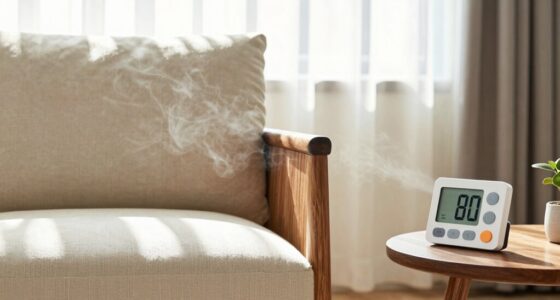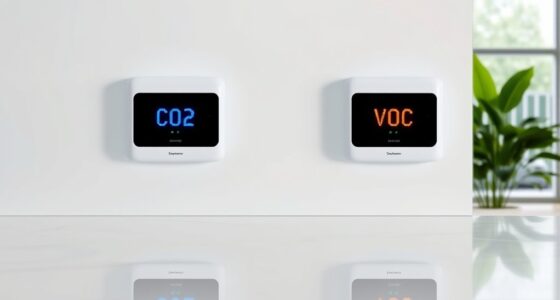
VOCs, or volatile organic compounds, come from sources like new furniture, paints, cleaning products, and household appliances. They can cause health issues such as headaches, dizziness, eye, and throat irritation, especially with long-term exposure. To reduce VOC levels, improve ventilation, choose low-emission products, and limit chemical use indoors. Understanding these sources and effects helps you create a safer environment—keep exploring to learn more about managing indoor air quality effectively.
Key Takeaways
- VOCs originate from household products, building materials, furniture, and personal care items, accumulating indoors, especially without proper ventilation.
- Exposure to VOCs can cause short-term symptoms like headaches and irritation, and long-term health issues including respiratory problems and carcinogenic risks.
- VOCs are volatile chemicals that vaporize at room temperature, contributing to persistent indoor fumes and poor air quality.
- Managing VOC levels involves source control, increasing ventilation, and choosing low-emission products to reduce indoor chemical exposure.
- Awareness of VOC sources and health effects is essential for creating healthier indoor environments and minimizing associated health risks.

Have you ever wondered what those fumes lingering in your home or workplace are? The answer often lies in the quality of your indoor air. Indoor air quality can be compromised by various pollutants, with chemical emissions playing a vital role. Volatile Organic Compounds, or VOCs, are a major contributor to indoor air pollution and can be released from many common household items. These chemical emissions include things like paints, cleaning products, air fresheners, and even furniture. When you use these products, VOCs evaporate into the air, creating a mixture of fumes that can be inhaled. Understanding where VOCs come from helps you recognize how they impact the air you breathe daily.
VOCs are emitted from a wide range of sources inside your home or office. New furniture, carpeting, and building materials often release VOCs as they off-gas over time. Even everyday items like candles, insect repellents, and personal care products can emit these chemicals. Because VOCs are volatile, they easily vaporize at room temperature, making them a persistent presence in indoor environments. This continuous emission can considerably degrade indoor air quality, especially in spaces with poor ventilation. When VOC levels increase, they can accumulate indoors, creating a toxic environment that affects your health. Recognizing that air quality is influenced by these emissions underscores the importance of managing indoor chemical sources.
New furniture, carpets, and household products continuously emit VOCs, impacting indoor air quality and health.
The health effects of chemical emissions from VOCs can be serious. Short-term exposure may cause headaches, dizziness, eye irritation, or throat discomfort. Longer-term exposure, especially in poorly ventilated spaces, can lead to more severe problems. Some VOCs are linked to respiratory issues, allergies, and even neurological effects. Certain VOCs, like formaldehyde, are classified as carcinogens, meaning prolonged exposure could increase your risk of developing cancer. Children, the elderly, and individuals with pre-existing health conditions are particularly vulnerable. That’s why managing indoor air quality by reducing VOCs is essential for maintaining a safe and healthy environment.
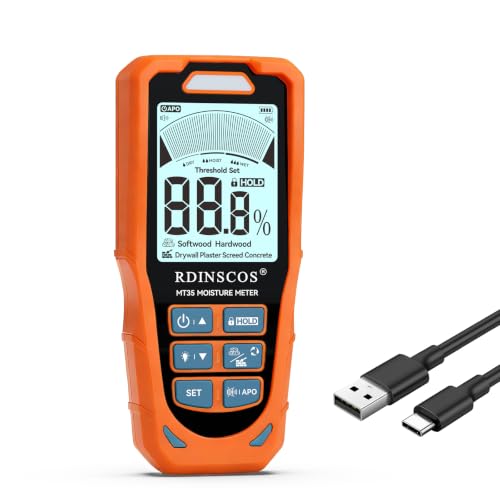
Pinless Moisture Meter Non-Invasive Digital Wood Moisture Tester (B-Orange)
- Material Measurement Modes: Six modes for various materials
- Adjustable Alarm System: Custom humidity alerts with LED and buzzer
- Backlit LCD Display: Clear 2.9-inch screen with hold function
As an affiliate, we earn on qualifying purchases.
Frequently Asked Questions
How Do VOC Levels Vary Seasonally and Geographically?
You’ll notice VOC levels fluctuate seasonally and geographically; during warmer months, increased temperatures cause more emissions from sources like vehicles and plants, leading to higher VOC levels. Regional differences also play a role, with urban areas often experiencing elevated VOC concentrations due to dense traffic and industrial activity, while rural areas may have lower levels. These seasonal fluctuations and regional variations affect air quality and health risk assessments.
Are There Natural Sources of VOCS in the Environment?
Did you know that natural emissions contribute about 20% of global VOC levels? Yes, vegetation sources release VOCs like isoprene and terpenes, which play a role in atmospheric chemistry. These natural sources vary with plant type, season, and climate, meaning they’re always changing. While they’re essential for things like plant communication, they can also impact air quality and health, especially when combined with human-made VOCs.
Can VOC Exposure Affect Pets and Livestock?
Yes, VOC exposure can affect pets and livestock. You should be aware that pets are often more sensitive to air pollutants, risking health issues like respiratory problems. Livestock exposure to VOCs can lead to decreased productivity and health concerns. To protect their health, verify proper ventilation, minimize VOC sources near animals, and monitor air quality regularly. Taking these steps helps safeguard your animals from potential VOC-related health risks.
What Are the Best DIY Methods to Reduce Indoor VOCS?
They say ‘A stitch in time saves nine,’ so start now to lower indoor VOCs. You can build DIY air purifiers using activated charcoal or HEPA filters, which help absorb VOCs. Natural ventilation is also key—open windows regularly to flush out indoor pollutants. Combining these simple steps creates a healthier environment, reducing VOC levels and protecting your loved ones from harmful fumes.
How Do VOCS Interact With Other Indoor Air Pollutants?
VOCs can interact with other indoor air pollutants through chemical interactions, creating complex pollutant synergy that worsens air quality. These interactions may produce secondary pollutants, such as formaldehyde or ozone, which can be more harmful than the original VOCs. You should guarantee good ventilation, reduce sources of both VOCs and other pollutants, and use air purifiers with activated charcoal to minimize these chemical interactions and improve indoor air safety.

RDINSCOS Pinless Moisture Meter Non-Invasive Digital Moisture Detector
- Multi-Surface Compatibility: Works on wood, drywall, concrete, plaster
- Pinless Non-Invasive Design: Detects moisture up to 40mm deep without damage
- High Accuracy & Reference Mode: Provides 2.5% accurate readings with baseline comparison
As an affiliate, we earn on qualifying purchases.
Conclusion
So, next time you’re sealing a new paint job or buying fresh furniture, remember VOCs are lurking. You think you’re just beautifying your home, but you’re also inviting invisible pollutants that could harm your health. Ironically, what promises comfort and style might be quietly causing long-term problems. Sometimes, the simplest solutions—like good ventilation—are your best defense. After all, protecting your health shouldn’t be an afterthought in your quest for a perfect space.

Klein Tools ET140 Pinless Moisture Meter for Non-Destructive Moisture Detection in Drywall, Wood, and Masonry; Detects up to 3/4-Inch Below Surface
- Leak Detection: Detects moisture from leaks and flooding
- Pinless Moisture Measurement: Measures moisture in building materials
- Non-Destructive Depth: Detects up to 3/4 inch deep
As an affiliate, we earn on qualifying purchases.

Moisture Meter for Wood Pinless Moisture Tester Firewood Moisture Reader
- Multi-Functional Moisture Detection: Detects moisture in wood, drywall, and concrete
- Non-Destructive Testing: Measures moisture without damaging surfaces
- High-Definition Color Screen: 2.7-inch display with dual digital and analog views
As an affiliate, we earn on qualifying purchases.