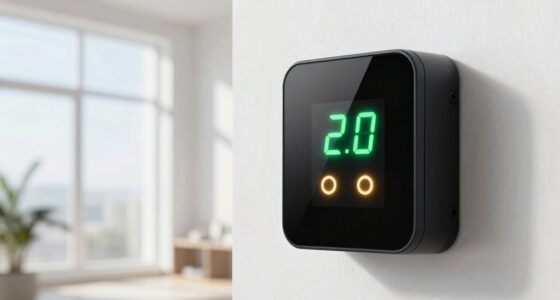
Your kitchen can easily fool your VOC monitor because everyday activities release, mask, or temporarily hide VOCs. Cooking fumes, new furniture off-gassing, and frequent use of air fresheners all contribute to fluctuating readings that may not reflect real air quality. Poor ventilation and improper calibration further skew results. If you want to understand what’s truly affecting your indoor air and how to manage it better, keep exploring these common sources and solutions.
Key Takeaways
- Cooking fumes and household items emit VOCs that can cause false spikes in monitor readings.
- Air fresheners release VOCs that mask odors but also skew VOC measurements.
- New furniture and household products off-gas VOCs, complicating source identification.
- Multiple VOC sources and frequent product use make it hard for monitors to provide accurate data.
- Poor calibration and ventilation issues further distort VOC readings in kitchen environments.

Your kitchen is more than just a place to cook; it’s also a space where volatile organic compounds (VOCs) can accumulate from everyday activities like cooking, cleaning, and even opening new furniture. These VOCs are invisible, but they can affect your indoor air quality and overall health. Many people rely on VOC monitors to track these emissions, but what if your kitchen is fooling your monitor more than you realize?
Your kitchen’s activities can skew VOC monitor readings, making it tricky to assess true air quality.
One common culprit is air fresheners. You might use them to mask cooking odors or create a fresh environment, but many air fresheners release their own VOCs. These chemicals can spike your monitor’s readings, making it seem like your air quality is worse than it actually is. Instead of improving your home’s air, air fresheners often add to the VOC load, confusing your monitor and potentially leading you to unnecessary or excessive ventilation.
Cooking fumes are another significant source of VOCs in your kitchen. When you sauté, fry, or grill, the heat causes oils and other ingredients to release VOCs into the air. These fumes contain compounds like formaldehyde and acrolein, which can be detected by sensitive monitors. However, your device might struggle to differentiate between typical cooking emissions and other sources, especially if the levels fluctuate rapidly or if your monitor isn’t calibrated properly. This can result in false alarms or inconsistent readings, making it seem like your air quality is worse than it truly is. Additionally, monitor calibration plays a crucial role in ensuring accurate detection, as poorly calibrated devices can misinterpret VOC levels.
Opening a new piece of furniture or bringing home new household items can also introduce VOCs into your kitchen environment. Many furniture products contain volatile chemicals that off-gas over time, especially in the first days or weeks. While your monitor might register these emissions, it’s often challenging to pinpoint their source amid everyday cooking fumes and cleaning activities, which also release VOCs. Additionally, improper ventilation can exacerbate VOC accumulation, making it harder for your monitor to provide accurate readings. Ensuring proper air exchange can help mitigate this issue and keep VOC levels in check.
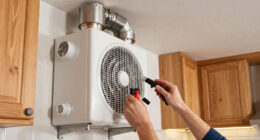
In the busy environment of your kitchen, multiple sources contribute to VOC levels constantly. Your monitor may detect these compounds but struggle to give you an accurate picture. This is especially true if you’re using air fresheners regularly or cooking frequently with a lot of fumes. To get a clearer understanding of your air quality, consider minimizing the use of VOC-emitting air fresheners, ensuring proper ventilation during cooking, and choosing appliances and furniture that off-gas less. Recognize that your kitchen’s activity can easily skew your monitor’s readings, so take multiple measurements over time and interpret them in context. Additionally, using proper ventilation can significantly reduce VOC buildup and improve your indoor air quality. Being aware of VOC sources and their impact can help you better manage your indoor environment and health.

Calibrite Photo Kit w/Display Pro HL Monitor Calibration Colorimeter w/ColorChecker Passport Photo 2, Capture to Edit Color Workflow for RAW, Custom Camera Profiles, White Balance, Accurate Displays
SPECIFICATIONS: Photo workflow kit includes Display Pro HL high luminance monitor calibration colorimeter plus ColorChecker Passport Photo 2,…
As an affiliate, we earn on qualifying purchases.
As an affiliate, we earn on qualifying purchases.
Frequently Asked Questions
How Do Cooking Fumes Affect VOC Monitor Readings?
Cooking fumes can profoundly impact your VOC monitor readings by introducing volatile organic compounds into the air. These fumes can overwhelm the sensor, reducing monitoring accuracy. Proper air filtration helps remove cooking fumes, ensuring more reliable VOC measurements. Without effective filtration, your monitor might show false high readings, making it seem like VOC levels are worse than they truly are. Regular ventilation and good air filtration are essential for accurate monitoring.
Can Everyday Kitchen Items Cause False VOC Readings?
Yes, everyday kitchen items can cause false VOC readings. Air purifiers and ventilation systems can sometimes trap or redistribute fumes, making your monitor think there’s higher or lower VOC levels than there truly are. Strong-smelling spices, cleaning products, or cooking oils release VOCs that may interfere with your monitor’s accuracy. To get precise readings, guarantee proper ventilation and keep air purifiers well-maintained to avoid misleading data.
Are There Specific Appliances That Skew VOC Measurements?
Certain appliances act like sneaky actors on a stage, skewing your VOC measurements. Gas stoves, microwaves, and coffee makers are prime odor sources, releasing appliance emissions that mask true air quality. As they operate, they send false signals to your monitor, making it seem like the air’s cleaner or dirtier than it really is. Be aware of these hidden culprits, so you can get an accurate read on your home’s air.
How Can I Reduce Kitchen VOC Interference?
To reduce kitchen VOC interference, you should boost air purification and improve ventilation strategies. Use a high-quality air purifier with activated carbon filters to trap VOCs effectively. Increase ventilation by opening windows, using exhaust fans, or installing range hoods that vent outdoors. Regularly maintain appliances and clean surfaces to minimize VOC emissions. These steps help clear indoor air, making your VOC monitor readings more accurate and your indoor environment healthier.
Do VOC Monitors Need Calibration for Kitchen Environments?
Yes, VOC monitors need calibration for kitchen environments. You should regularly perform VOC sensor maintenance to guarantee accuracy, as kitchen fumes can cause drift. Using air circulation techniques, like exhaust fans or air purifiers, helps reduce interference from cooking emissions. Proper calibration and air flow management keep your monitor reliable, preventing false readings caused by the high VOC levels typical in kitchens.

Airhub Air Purifiers for Home Large Room, AHAM Verified, HEPA Filter with Activated Carbon & Washable Pre-Filter, Quiet 20dB Sleep Mode, PM2.5 Air Quality Sensor, for Dust, Odor, Allergens & Pets
Why Choose the AirHub Air Purifier? AHAM VERIFIED Performance: Certified by the Association of Home Appliance Manufacturers (AHAM),…
As an affiliate, we earn on qualifying purchases.
As an affiliate, we earn on qualifying purchases.
Conclusion
So, next time you’re whipping up a storm in your kitchen, remember that your VOC monitor might be more fooled than a knight in shining armor. The smells and fumes from your culinary adventures can skew the readings, much like a mirage in the desert. Keep your eyes open and stay vigilant—your monitor’s accuracy depends on it. After all, even the best jesters can be fooled by a clever illusion, and your kitchen’s aroma might just be that illusion.

Amazon Smart Air Quality Monitor – Know your air, Works with Alexa
Know your air – An Alexa air quality monitor that makes it easy to understand what’s in your…
As an affiliate, we earn on qualifying purchases.
As an affiliate, we earn on qualifying purchases.

Car Air Freshener Vent Clips, 8 Pack, Provides Long-Lasting Scent, Up to 240 Days, Odor Eliminator (New Car Scent)
New Car Scent
As an affiliate, we earn on qualifying purchases.
As an affiliate, we earn on qualifying purchases.