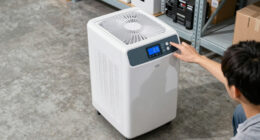
Implementing calibrated air quality sensors in schools and offices helps you maintain safe, healthy indoor environments. These sensors detect pollutants like VOCs, particulate matter, and harmful gases, providing accurate data essential for effective air quality management. Adhering to standards guarantees reliability and reduces false alarms or overlooked hazards. Proper calibration over time maintains sensor accuracy, so you can respond swiftly and confidently. To learn more about optimizing indoor air quality, continue exploring how these sensors support healthier spaces.
Key Takeaways
- Standards ensure air quality sensors provide accurate, reliable data for health and safety compliance in schools and offices.
- Proper calibration and maintenance of sensors are critical for effective pollutant detection and reducing health risks.
- Implementing sensor technology helps identify pollution sources, enabling targeted interventions for improved indoor air quality.
- Using calibrated sensors supports real-time monitoring, aiding prompt responses to air quality issues and preventing false alarms.
- High-quality sensors with adherence to standards enhance overall occupant well-being and help meet regulatory requirements.
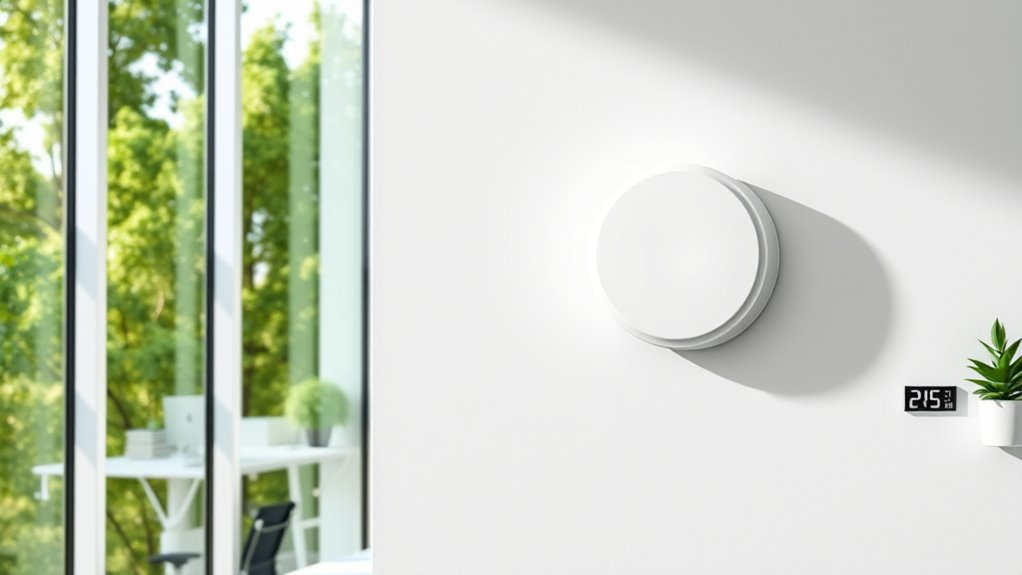
Ensuring clean air in schools and offices is more important than ever, especially as concerns about indoor pollution grow. Indoor pollutant sources can vary widely, including everyday activities like cooking, cleaning, and even the materials used in furniture and building finishes. These sources emit volatile organic compounds (VOCs), particulate matter, and other harmful pollutants that can affect health, concentration, and overall well-being. To effectively manage indoor air quality, you need reliable sensors that can detect these pollutants accurately. This is where proper sensor calibration techniques come into play. Calibration guarantees that sensors provide precise readings, which is critical for making informed decisions about air quality management. Without proper calibration, sensors may show inaccurate data, leading you to either overlook potential hazards or overreact to false alarms. Regular calibration helps account for sensor drift over time, ensuring consistent and trustworthy readings. For example, if a sensor begins to drift, it might underestimate pollutant levels, giving you a false sense of security. Conversely, overestimating pollutants can lead to unnecessary interventions, wasting resources. By implementing routine calibration procedures, you keep your sensors accurate, which is crucial for maintaining healthy indoor environments. Additionally, understanding the science behind sensor functionality can help you interpret data more effectively and optimize your air quality strategies. In addition to calibration, understanding the sources of indoor pollutants allows you to take targeted actions. For instance, if you identify that cleaning products are contributing to VOC levels, switching to eco-friendly alternatives can greatly improve air quality. Similarly, improving ventilation or installing air purification systems can reduce particulate matter and other pollutants. Sensors not only detect problems but also help you monitor the effectiveness of these interventions over time. When choosing air quality sensors, it’s important to consider those that support calibration features and are compatible with your existing systems. Investing in high-quality sensors with proven calibration techniques increases reliability and reduces maintenance costs. Properly calibrated sensors provide real-time data, enabling you to respond swiftly to air quality issues, whether by increasing ventilation, adjusting HVAC systems, or informing occupants about air quality status. Ultimately, maintaining accurate sensors and understanding indoor pollutant sources empower you to create safer, healthier environments where students and employees can thrive.

Air Quality Monitor Indoor, 10 in 1 Portable Smart Air Quality Tester for CO2 | TVOC | HCHO | Temp | AQI | PM0.3-1 Detection Suitable for Home, Cars, Plants, Pets and Hotels -Black
- 10-in-1 Multi-Gas Detection: Monitors CO2, HCHO, TVOC, benzene, PM2.5/10
- High-Definition Color Display: Real-time data with intuitive visual alerts
- Smart Sensor Technology: Ensures accurate, reliable long-term readings
As an affiliate, we earn on qualifying purchases.
As an affiliate, we earn on qualifying purchases.
Frequently Asked Questions
How Often Should Air Quality Sensors Be Calibrated for Accuracy?
You should calibrate your air quality sensors at least once every six months to guarantee accuracy. Regular sensor calibration is essential for maintaining reliable readings, as sensors can drift over time. Additionally, performing accuracy verification periodically—such as quarterly—helps catch any issues early. If you notice inconsistent data, consider more frequent calibration. Proper maintenance guarantees your sensors provide precise air quality data, helping you create a healthier environment.
What Is the Typical Lifespan of an Air Quality Sensor?
You can expect an air quality sensor’s durability to last about 3 to 5 years, depending on usage and maintenance. Regular calibration helps extend its lifespan, but eventually, you’ll need to plan for a replacement cycle. Keep an eye on sensor performance indicators, and when accuracy declines consistently, it’s time for a replacement to guarantee reliable air quality monitoring. Proper care ensures your sensor remains effective throughout its lifespan.
Are There Any Legal Regulations for Sensor Installation in Schools and Offices?
Think of legal regulations for sensor installation as a compass guiding your way. You must guarantee legal compliance and follow sensor standards to avoid trouble. Many regions have laws requiring air quality sensors in schools and offices, often specifying placement, calibration, and data privacy. Staying informed about local regulations helps you meet legal obligations, protect occupants’ health, and ensure your air quality system functions effectively and within legal boundaries.
How Do Sensors Differentiate Between Indoor and Outdoor Pollutants?
You can see how sensors differentiate between indoor air and outdoor contaminants by analyzing specific pollutant types and their source patterns. They detect indoor pollutants like VOCs, CO2, and humidity levels, while outdoor contaminants such as pollen or vehicle emissions are identified through different sensor inputs. By comparing these readings, sensors accurately identify whether pollutants originate indoors or outdoors, helping you maintain a healthy indoor environment.
What Maintenance Is Required to Keep Sensors Functioning Properly?
You might worry maintenance is complicated, but it’s straightforward. Regular sensor cleaning prevents dust buildup that can impair accuracy, while timely software updates ensure they operate efficiently and incorporate the latest features. Check sensors monthly, clean them gently with a soft cloth, and schedule updates as recommended by the manufacturer. This routine keeps your sensors functioning properly, providing reliable indoor air quality data to protect health and optimize ventilation systems.

Professional Indoor Air Quality Monitor with AQI Alerts, Portable Real-Time Detector for Home, Car, Plants & Pets (Cheese White)
- 16-in-1 Air Quality Detection: Real-time monitoring of multiple pollutants
- Easy One-Button Operation: Power on, mute, and switch units easily
- High-Precision Sensor & HD Display: Continuous data updates with clear visuals
As an affiliate, we earn on qualifying purchases.
As an affiliate, we earn on qualifying purchases.
Conclusion
By installing air quality sensors in your school or office, you’re taking a giant leap toward healthier, safer environments—far beyond what you might have imagined. These sensors don’t just monitor air; they revolutionize your space into a haven of pure, breathable air. Don’t settle for less when it comes to your well-being. Embrace this technology today and transform your environment into a fortress of clean air, because nothing is more essential than the air you breathe.
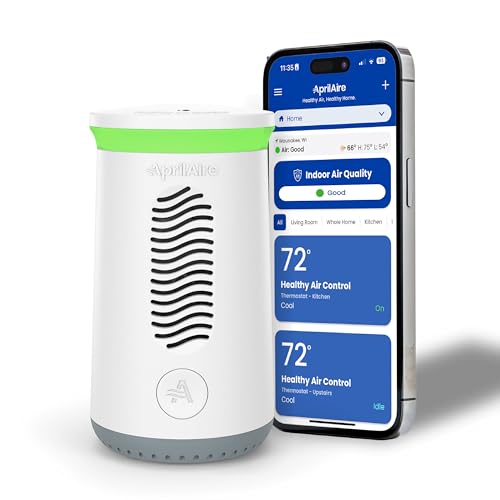
AprilAire ZAWTHCPV Smart Indoor 5-in-1 Wi-Fi Air Quality Monitor (CO2, VOC, PM 2.5, Particulate Matter, Humidity and Temperature), App Controlled IAQ Monitor for Home Air Quality Sensor
- Multi-Parameter Air Quality Monitoring: Measures PM2.5, VOCs, CO2, humidity, temperature
- User-Friendly Status Indicators: Color-coded system for quick air quality assessment
- Healthy Air Intelligence: Provides trend data, expert tips, and actionable insights
As an affiliate, we earn on qualifying purchases.
As an affiliate, we earn on qualifying purchases.

Professional Indoor Air Quality Monitor with AQI Alerts, Portable Real-Time Detector for Home, Car, Plants & Pets (Dark Orange)
- 16-in-1 Air Quality Detection: Real-time monitoring of multiple pollutants
- Easy One-Button Operation: Power on/off and mute with a single press
- High-Precision Sensor & Display: Continuous data updates with clear HD screen
As an affiliate, we earn on qualifying purchases.
As an affiliate, we earn on qualifying purchases.