If your air quality sensor is giving inconsistent readings, sudden spikes, or results that don’t match real conditions, it may need to be reset or recalibrated. Sensor drift over time and environmental factors can cause inaccuracies, so proper calibration and timely resets are essential. Regular maintenance, cleaning, and following manufacturer instructions help keep your sensor accurate. Keep going to learn how to perform resets and calibration correctly for reliable results.
Key Takeaways
- Perform a reset when sensor readings become inconsistent or significantly deviate from known standards.
- Reset your sensor if it shows signs of drift, dust buildup, or environmental interference affecting accuracy.
- Follow manufacturer instructions for resetting and recalibrating after prolonged use or exposure to extreme conditions.
- Regularly reset and clean sensors to prevent inaccuracies caused by dust, debris, or software glitches.
- Seek professional calibration if repeated resets and maintenance do not restore accurate, reliable readings.
What Are the Signs Your Air Quality Sensor Needs Calibration?
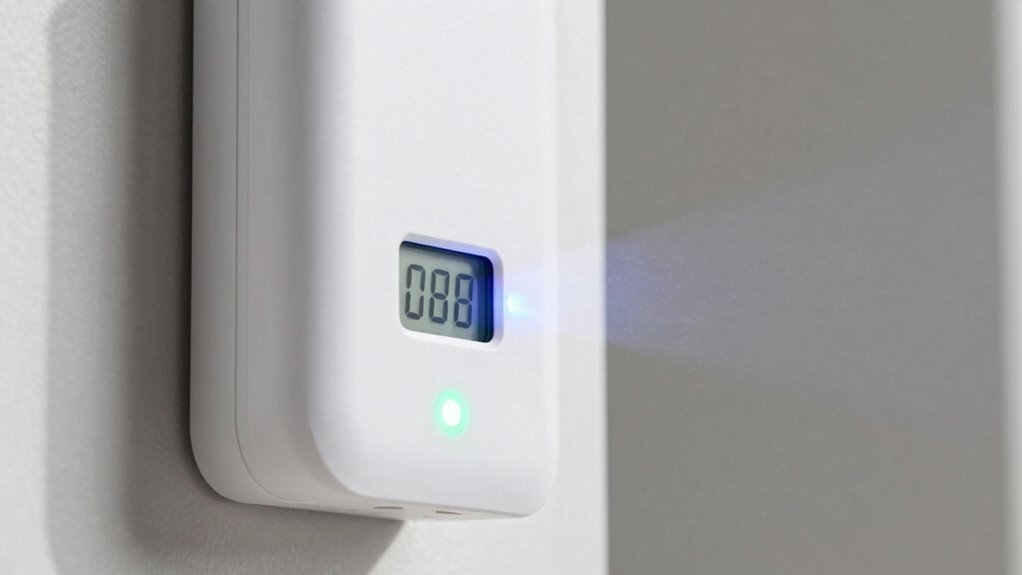
Your air quality sensor might need calibration if it starts giving inconsistent or unexpected readings. Over time, sensors can drift from their original accuracy due to environmental factors, affecting their sensor lifespan. If you notice sudden spikes or drops in data that don’t match real-world conditions, it’s a sign to check your calibration schedule. Additionally, if your sensor’s readings seem way off from other reliable sources, it’s time to recalibrate. Regular calibration helps maintain accuracy and guarantees your sensor performs at its best throughout its lifespan. Proper sensor maintenance can also extend its effective lifespan and ensure consistent performance, especially when combined with environmental considerations like natural factors. Being aware of potential stain buildup or contamination can help preempt calibration issues. Monitoring filter indicators and understanding how external conditions impact sensor performance can further prevent inaccuracies. Staying attentive to your sensor’s behavior ensures it stays accurate and reliable for as long as possible.
Why Is Accurate Calibration Important for Your Sensor?
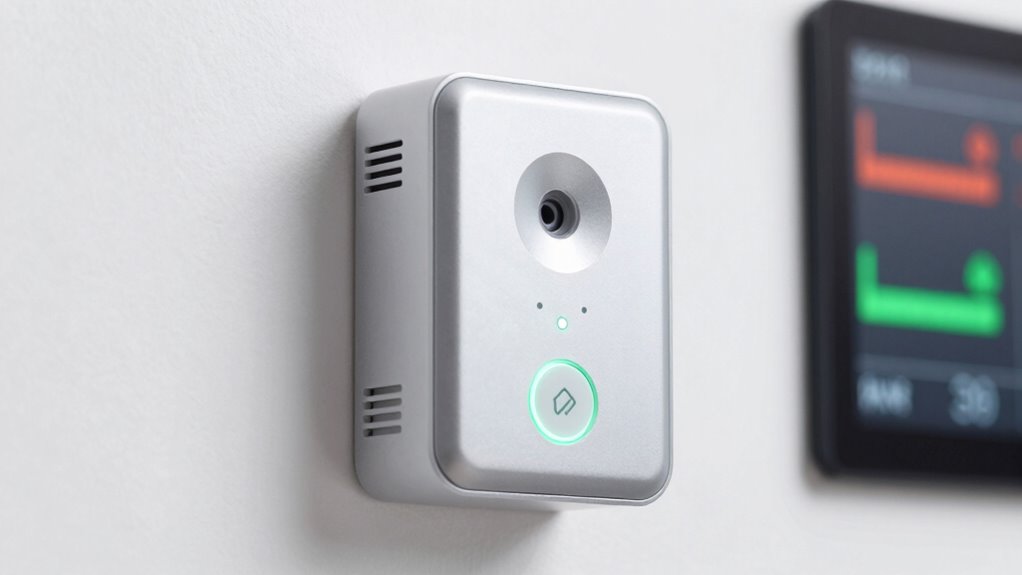
Accurate calibration is essential because it guarantees your sensor provides reliable data, which is critical for making informed decisions about air quality. Without proper calibration, your sensor’s readings can become inaccurate, leading to misguided actions and potential health risks. Regular calibration maintains sensor accuracy and can extend its lifespan by preventing drift. Additionally, understanding calibration frequency helps you avoid unnecessary resets or replacements. Proper calibration practices can also help identify issues like microplastics in dust that may affect sensor performance. Recognizing factors such as sensor drift and understanding calibration procedures can further improve long-term accuracy and reliability. Staying informed about regional air quality variations can also help optimize your sensor maintenance schedule, just as credit card security is vital for protecting sensitive data in digital transactions.
Getting Your Sensor Ready for Calibration

Before calibrating your sensor, it’s important to prepare it properly to guarantee accurate results. Start by checking the sensor’s placement—place it in a stable, draft-free environment away from direct sunlight, heat sources, or pollutants. Proper sensor placement ensures that calibration reflects real-world conditions and avoids false readings. Next, review the calibration frequency recommended by the manufacturer; regular calibration helps maintain accuracy over time. Before beginning, clean the sensor’s surface gently to remove dust or debris that could interfere with readings. Confirm that the sensor is powered on and has stabilized for a few minutes. Additionally, ensure the sensor is free from contaminants like dust or oil, which can impair accuracy. It’s also helpful to understand sensor maintenance best practices to keep your device in optimal condition. Regularly checking sensor calibration intervals can prevent drift and improve long-term reliability. To further support accurate calibration, consider implementing proper environmental conditions during the process. Preparing your sensor this way helps ensure that calibration produces reliable, precise data, making your air quality monitoring more effective and trustworthy.
How to Reset Your Air Quality Sensor Step-by-Step
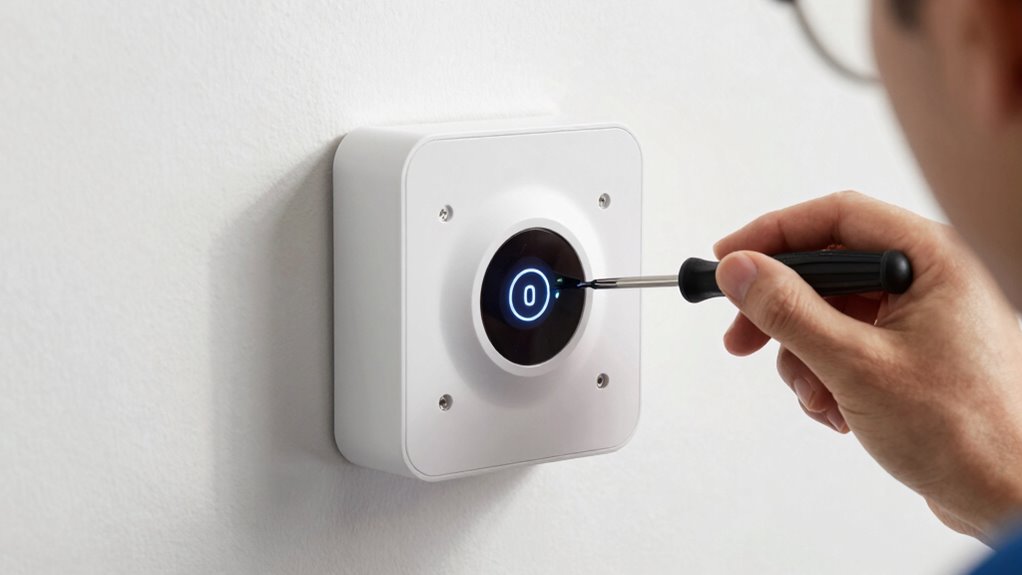
Resetting your air quality sensor is a straightforward process that helps resolve calibration issues or restore factory settings. Regular sensor maintenance and understanding calibration frequency are essential to ensure accurate readings. To reset your sensor:
- Turn off the device and unplug it from power.
- Locate the reset button, often on the back or bottom, and press it using a paperclip or similar tool for about 10 seconds.
- Turn the sensor back on and check the display or app to confirm the reset was successful.
- Proper calibration after resetting ensures your sensor provides accurate data and maintains home comfort.
- Be aware that consistent calibration challenges may indicate the need for deeper maintenance or sensor replacement.
- Calibration frequency may vary depending on environmental conditions and usage patterns, so regular checks are recommended.
- Performing periodic sensor cleaning can also help maintain optimal performance and accuracy.
Resetting can clear minor glitches, but remember, frequent resets may indicate the need for recalibration or maintenance. Following these steps helps keep your sensor functioning correctly and maintains calibration accuracy.
How to Calibrate Your Sensor Using Calibration Kits or Factory Settings

To guarantee your sensor provides reliable readings, calibrating it correctly is essential, whether you’re using calibration kits or factory settings. Calibration helps maintain accuracy over your sensor’s lifespan and determines how often you should perform calibration. Using calibration kits involves following step-by-step instructions to expose your sensor to a known standard, ensuring precise adjustments. Factory settings can be reset through your device’s menu, restoring baseline calibration. Keep in mind, calibration frequency depends on your environment and sensor quality. Regular checks prevent drift and extend your sensor’s lifespan. Here’s a quick overview:
| Method | Steps |
|---|---|
| Calibration Kits | Follow kit instructions for standard exposure. |
| Factory Reset | Access device menu, select reset, and confirm. |
| Calibration Frequency | Every 3-6 months or as recommended by manufacturer. |
| Sensor Lifespan Impact | Proper calibration extends operational life. |
| Precaution | Avoid calibration in extreme conditions. |
Additionally, understanding the sensor calibration process helps ensure your measurements stay accurate over time. Proper calibration is crucial for detecting sensor drift, which can compromise data accuracy if left uncorrected. Regularly reviewing calibration procedures is vital for maintaining sensor accuracy over the device’s lifespan.
Troubleshooting Calibration Errors and Inaccurate Readings

When your readings seem off, it’s vital to identify calibration errors early. You should consider common causes like environmental factors or sensor wear that can lead to inaccuracies. Sometimes, resetting your device properly can improve results and restore confidence in your measurements. Ensuring you have the right gaming gear and professional-grade tools can also help maintain accurate calibration. Regularly checking for sensor drift and performing maintenance can prevent persistent errors and extend your sensor’s lifespan.
Identifying Calibration Errors
Have you ever noticed your measurement readings seem off even after calibration? If so, you might be facing calibration errors. To identify these issues, start with these steps:
- Check if you’ve performed regular sensor maintenance, as neglect can cause inaccurate readings.
- Review your calibration frequency—calibrating too often or too rarely can lead to errors.
- Compare recent readings against known standards or external measurements to spot discrepancies.
Calibration errors often stem from inconsistent maintenance or improper calibration schedules. By closely monitoring your sensor’s performance and adhering to recommended calibration intervals, you can catch errors early. This proactive approach guarantees your air quality readings stay accurate, helping you make informed decisions about your environment.
Common Causes of Inaccuracy
Many factors can cause calibration errors and lead to inaccurate readings, making it essential to troubleshoot effectively. Sensor drift is a common culprit, gradually shifting your sensor’s baseline over time and compromising accuracy. Environmental interference also plays a significant role; sudden changes in temperature, humidity, or exposure to chemical fumes can distort sensor readings. Dust, dirt, or debris accumulating on the sensor surface may cause malfunctions, further skewing results. Additionally, electromagnetic interference from nearby electronic devices can disrupt sensor signals. Recognizing these causes helps you identify when your sensor’s inaccuracy stems from environmental factors or drift. Regular maintenance, monitoring environmental conditions, and understanding your sensor’s limitations are key to minimizing these issues and ensuring reliable air quality measurements.
Resetting for Better Results
Resetting your sensor is a crucial step when calibration errors or inaccurate readings occur. Regular sensor maintenance and adjusting calibration frequency help keep your device accurate. To reset effectively:
- Power off the sensor, then unplug it to ensure it’s fully disconnected.
- Follow the manufacturer’s instructions to perform a factory reset, which clears calibration data.
- After resetting, recalibrate the sensor according to recommended calibration intervals.
This process helps eliminate potential errors caused by accumulated dust, sensor drift, or software glitches. Remember, calibrating too often or too infrequently can compromise accuracy. Resetting ensures your sensor maintains reliable performance, especially when troubleshooting persistent issues. Proper sensor maintenance and timely resets are key to accurate air quality readings.
When to Consider Professional Calibration Services
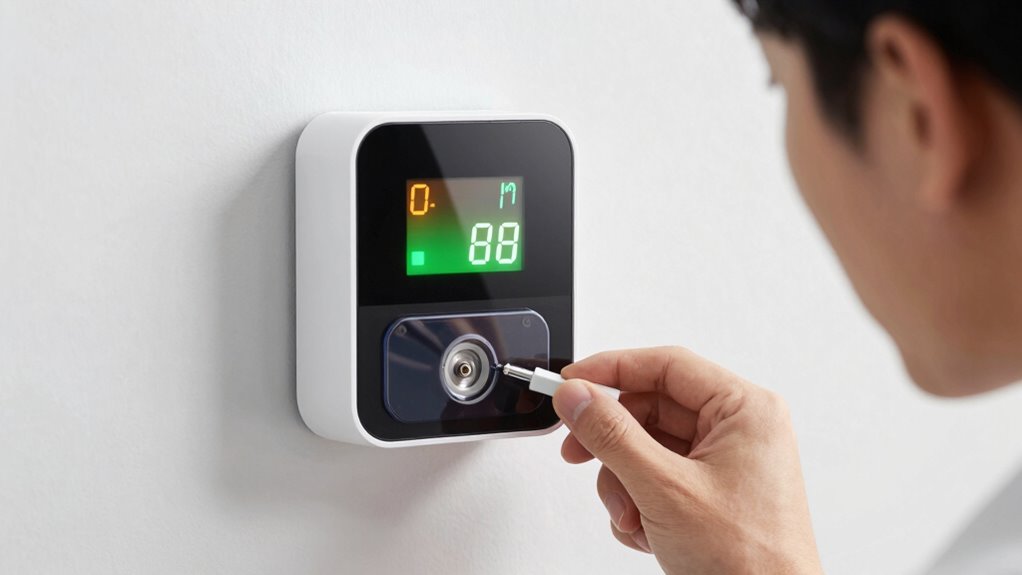
Knowing when to seek professional calibration services can guarantee accuracy. If your sensor’s readings seem consistently off despite proper placement, it’s time to contemplate expert help. When your sensor’s placement isn’t ideal or if you’ve followed recommended calibration frequency but still experience unreliable data, professional calibration ensures precision. Also, if your sensor has been exposed to extreme conditions or prolonged use without recalibration, it may need a professional touch. Regular calibration helps maintain sensor performance, but sometimes the complexity or age of the device calls for specialized calibration services. Trust professionals when you need thorough adjustments or if DIY methods aren’t restoring accuracy. Ultimately, seeking expert calibration keeps your air quality data reliable and your environment safe.
Tips for Keeping Your Sensor Accurate Over Time
To guarantee your sensor remains precise over time, regular maintenance and careful handling are essential. Proper sensor maintenance helps preserve data accuracy and extends its lifespan. Here are three tips to keep your sensor reliable:
Regular maintenance and careful handling ensure your sensor stays accurate and lasts longer.
- Keep your sensor clean and dust-free, preventing debris from affecting readings.
- Store it in a stable environment, avoiding extreme temperatures and humidity that could distort data.
- Calibrate periodically, especially after long periods of use or noticeable measurement drift.
How Reliable Air Quality Data Benefits Your Home or Office

When your air quality data is reliable, you can trust that your home or office stays healthier and safer. Accurate monitoring helps you spot issues early and take action before problems escalate. With dependable data, you make smarter decisions that protect everyone and improve your environment.
Accurate Air Quality Monitoring
Have you ever wondered how accurately your indoor air quality is being monitored? Reliable data helps you make informed decisions to improve your environment. To guarantee accuracy, consider these key factors:
- Proper sensor placement—avoid drafty spots or areas near sources of pollution for better readings.
- Maintain appropriate calibration frequency—regular calibration keeps sensors precise over time.
- Monitor sensor performance—check for drift or inconsistencies that can skew data.
Health and Safety Assurance
Reliable air quality data is vital for safeguarding the health and safety of everyone in your home or office. Regular sensor maintenance ensures your device continues to deliver accurate readings, preventing false alarms or overlooked hazards. Calibration frequency plays an indispensable role in maintaining sensor reliability; if you calibrate too infrequently, data accuracy may decline, risking exposure to harmful pollutants. Conversely, over-calibration can be unnecessary and time-consuming. By sticking to a consistent calibration schedule, you guarantee your sensor provides trustworthy information, allowing you to respond promptly to air quality issues. This proactive approach helps protect vulnerable populations, reduces health risks, and maintains a safe environment for all occupants. Proper sensor maintenance and calibration are investments in your home or office’s overall safety and well-being.
Informed Environmental Decisions
Ever wonder how accurate air quality data can empower you to make better environmental choices? Reliable sensor maintenance and proper calibration frequency guarantee your data reflects real conditions. With accurate readings, you can:
- Identify pollution sources quickly, reducing health risks.
- Optimize ventilation and air purification efforts effectively.
- Make informed decisions about cleaning, heating, or opening windows.
Frequently Asked Questions
How Often Should I Calibrate My Air Quality Sensor?
You should calibrate your air quality sensor every 3 to 6 months to prevent sensor drift and guarantee accurate readings. Regular calibration maintains the sensor’s precision, especially if you notice inconsistent data. Factors like environment changes and usage frequency influence calibration needs. Keep an eye on your sensor’s performance, and if you detect irregularities, increase the calibration frequency to maintain reliable air quality measurements.
Can Environmental Factors Affect Calibration Accuracy?
Environmental factors definitely affect calibration accuracy. Humidity interference can cause your sensor to give false readings, while temperature influence can lead to drift over time. You might think your device is precise, but these factors introduce errors. To maintain accuracy, monitor ambient conditions and calibrate regularly, especially in fluctuating environments. Recognizing these influences helps you keep your air quality measurements reliable and trustworthy.
What Are Common Causes of Sensor Calibration Failure?
You might experience sensor calibration failure due to sensor drift or hardware malfunction. Sensor drift occurs over time, causing readings to become inaccurate, while hardware issues like damaged components or poor connections can disrupt calibration. Environmental influences or contamination can also contribute. Regularly checking your sensor’s condition and performing calibration resets can help maintain accuracy and prevent these common causes from affecting your air quality measurements.
Is Calibration Necessary for All Types of Air Quality Sensors?
No, not every air quality sensor requires calibration, but most do to combat sensor drift. You might think one calibration method fits all, but different sensors need tailored approaches. Skipping calibration can lead to inaccurate readings, making you doubt your air quality data. So, whether you’re monitoring pollution or just pretending to care, it’s wise to check if your sensor needs calibration to keep results reliable and avoid playing the guessing game.
How Do I Know if My Calibration Was Successful?
You can tell your calibration was successful if your sensor shows consistent readings that match known air quality standards or reference measurements. Watch for sensor drift over time; if readings become unreliable, recalibration might be needed. Check your device’s calibration interval guidelines, and perform calibration regularly to guarantee accuracy. If your sensor responds correctly after calibration and maintains stable readings, it’s a good sign your calibration was successful.
Conclusion
Think of your air quality sensor as a compass guiding you through your home’s environment. When it’s misaligned, you risk wandering into unsafe territory. Regular calibration keeps your device true, ensuring you’re always heading in the right direction. By maintaining its accuracy, you protect your space and peace of mind, turning your sensor into a trustworthy lighthouse amid the haze. Stay vigilant and let calibration be your beacon for cleaner, healthier air.