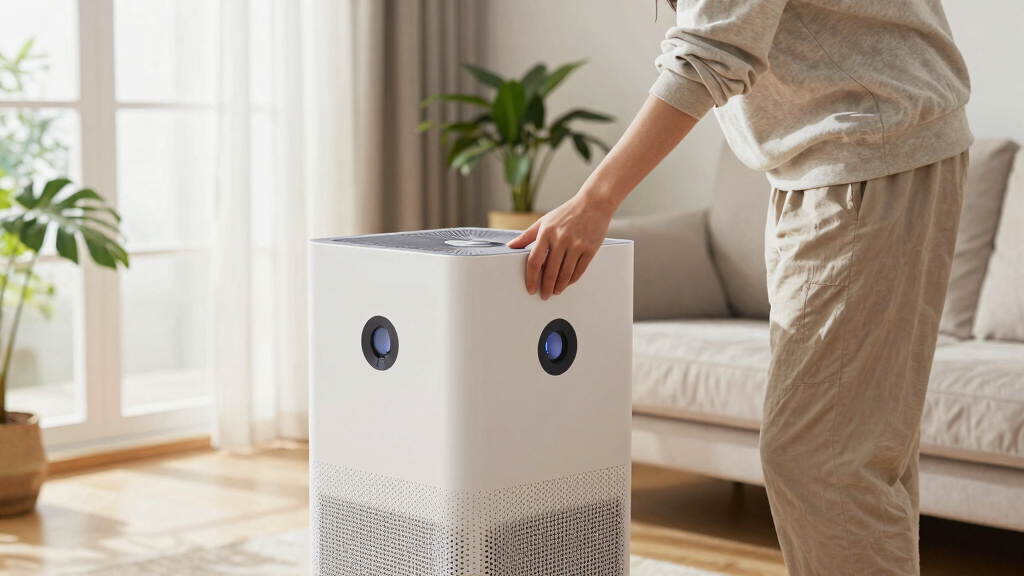

Choosing the right ERV for allergy season can significantly improve indoor air quality, especially during peak pollen and allergen times. For those seeking balanced ventilation, the Panasonic WhisperComfort 60 ERV offers customizable airflow and easy installation, making it ideal for smaller spaces. The Broan B210E75RS stands out for its large capacity and real-time diagnostics, suited for larger homes. Meanwhile, the Panasonic Intelli-Balance Elite Plus provides high airflow and advanced filtering for demanding environments. Each option balances performance with tradeoffs like cost, complexity, and installation needs, helping you find the best fit for allergy season.

Get home appliances delivered free with Prime
- Fast, free delivery on millions of items
- Prime Video, Amazon Music and more included
- Member-only deals all year
Complete the kit



Key Takeaways
- Balanced ventilation with customizable airflow improves indoor air quality during allergy season.
- High-efficiency filters, like MERV 13, are essential for removing allergens indoors.
- Installation complexity varies; professional help may be needed for larger or more advanced models.
- Wi-Fi control adds convenience but can increase initial cost and complexity.
- Larger capacity ERVs are better suited for bigger spaces but tend to be more expensive and harder to install.
| Panasonic WhisperComfort 60 ERV Ventilation Fan | 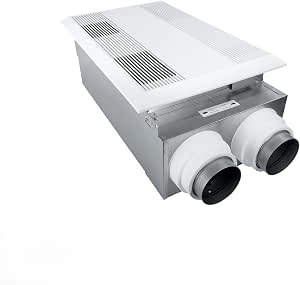 | Best Overall for Balanced Ventilation | CFM: 20-60 | Type: Energy Recovery Ventilation (ERV) | Mounting: Ceiling or wall | VIEW LATEST PRICE | See Our Full Breakdown |
| Wi-Fi-Enabled Pioneer 50 Single-Room Wall-Mounted ERV |  | Best for Smart Control and Energy Efficiency | Heat Recovery Efficiency: 97% | Airflow: 35 CFM | Control: Wi-Fi Smartphone App, Remote | VIEW LATEST PRICE | See Our Full Breakdown |
| Panasonic Intelli-Balance Elite Plus ERV, 120 CFM |  | Best for High Airflow and Customization | Power Source: AC/DC | Room Type: Indoor | Air Flow Capacity: 120 cfm | VIEW LATEST PRICE | See Our Full Breakdown |
| Panasonic FV-11ES1 Intelli-Balance Elite ERV, 110 CFM | | Best for Quiet, Precise Control | CFM: 110 | Motor Type: ECM | Filter Type: MERV 13 | VIEW LATEST PRICE | See Our Full Breakdown |
| Broan B210E75RS AI Series 210 CFM ERV |  | Best for Large Spaces and Ease of Use | Airflow: 210 CFM | Sensible recovery efficiency at 32°F: 81% | Filter Level: MERV 8 | VIEW LATEST PRICE | See Our Full Breakdown |
More Details on Our Top Picks
Panasonic WhisperComfort 60 ERV Ventilation Fan
The Panasonic WhisperComfort 60 ERV provides a reliable balance of fresh air intake and exhaust, crucial for reducing indoor allergens during pollen-heavy seasons. Its customizable airflow with multiple speed settings allows fine-tuning according to room size and needs, unlike smaller or less adaptable models. While installation is straightforward, it requires proper mounting to achieve optimal performance, and it lacks advanced digital controls like Wi-Fi. Compared with larger units, it’s more suited to smaller spaces or individual rooms, but it remains a versatile choice for those seeking a straightforward, effective ventilation solution.
Pros:- Provides balanced fresh air supply and exhaust for healthier indoor air
- Customizable airflow with multiple speed options
- Easy to install on ceiling or wall
Cons:- No specific price information available
- Requires proper installation for optimal performance
Best for: Small to medium-sized rooms or homes seeking balanced, customizable ventilation without complex controls.
Not ideal for: Large open-plan spaces or users wanting smart home integration.
- CFM:20-60
- Type:Energy Recovery Ventilation (ERV)
- Mounting:Ceiling or wall
- Certification:HVI
Our verdict“A solid, adaptable choice for small to medium spaces prioritizing balanced indoor air quality.”
Wi-Fi-Enabled Pioneer 50 Single-Room Wall-Mounted ERV
The Pioneer 50 ERV excels in energy recovery with a remarkable 97% efficiency, helping reduce allergy-related energy costs. Its Wi-Fi control allows remote operation, making it convenient for allergy sufferers who want to adjust airflow without manual intervention. The quiet operation and washable filters are advantages, but its limited airflow of 35 CFM makes it less suitable for larger spaces or high-demand environments. Professionals should handle installation because of ducting, which might be a barrier for DIY users. It’s an excellent choice for small rooms where energy conservation and smart features are priorities.
Pros:- High heat recovery efficiency of 97% helps save energy
- Wi-Fi control for easy, remote operation
- Quiet operation with 32.7 dB(A)
Cons:- Requires professional installation
- Limited airflow for larger spaces
Best for: Small rooms or apartments where energy savings and remote control are valued.
Not ideal for: Large open areas or households needing high airflow for multiple rooms.
- Heat Recovery Efficiency:97%
- Airflow:35 CFM
- Control:Wi-Fi Smartphone App, Remote
- Water Resistance:IPX4
Our verdict“Ideal for tech-savvy users seeking energy-efficient, quiet ventilation in small spaces.”
Panasonic Intelli-Balance Elite Plus ERV, 120 CFM
The Panasonic FV-12ESC1 Intelli-Balance Elite Plus stands out for its high capacity of 120 CFM, making it suitable for larger households or spaces with heavy allergy concerns. Its smart ECM motors and MERV 13 filters contribute to energy-efficient, high-quality ventilation. The system offers multiple mounting options and customizable airflow, but its complex installation might require professional help. Cost-wise, it’s a significant investment, but its durability and performance justify the price for allergy sufferers needing robust ventilation.
Pros:- Energy-efficient ECM motors operate quietly
- High-quality MERV 13 filters improve allergen removal
- Flexible installation options
Cons:- Complex installation process
- Higher initial cost
Best for: Large homes or spaces requiring substantial airflow and advanced filtering.
Not ideal for: Small spaces or users with tight budgets or limited installation options.
- Power Source:AC/DC
- Room Type:Indoor
- Air Flow Capacity:120 cfm
- Control Method:Touch
Our verdict“A powerful, customizable system suited for large spaces with serious allergy concerns.”
Panasonic FV-11ES1 Intelli-Balance Elite ERV, 110 CFM
The Panasonic FV-11ES1 offers adjustable airflow from 30 to 110 CFM, with dual ECM motors that automatically optimize airflow for quiet, energy-efficient operation. Its high-quality MERV 13 filters are effective at allergen removal, and flexible mounting options accommodate various installation needs. However, the system’s complexity might be overwhelming for DIYers and the higher cost reflects its advanced features. It’s best suited for those who prioritize precise control and minimal noise in allergy-sensitive environments.
Pros:- Adjustable airflow for tailored ventilation
- Energy-efficient dual ECM motors
- High-quality MERV 13 filters
Cons:- Complex installation
- Higher initial cost
Best for: Indoor spaces needing precise airflow control and quiet operation.
Not ideal for: Budget-conscious buyers or straightforward installations.
- CFM:110
- Motor Type:ECM
- Filter Type:MERV 13
- Control Options:Wi-Fi, touchscreen
Our verdict“A premium choice for allergy sufferers prioritizing quiet, customizable ventilation.”
Broan B210E75RS AI Series 210 CFM ERV
The Broan B210E75RS AI Series provides a high airflow of 210 CFM, ideal for larger homes or spaces with significant allergen accumulation. Its VIRTUO™ technology simplifies installation with auto-balancing, and the LCD screen offers real-time diagnostics, making maintenance straightforward. Its durable galvanized construction and 10-year core warranty enhance reliability, but it lacks ENERGY STAR certification and automatic shutoff features. This model excels in performance for bigger spaces but demands more involved installation and upfront investment.
Pros:- Easy installation with VIRTUO™ auto-balancing
- Real-time airflow diagnostics via LCD
- Durable galvanized construction with long warranty
Cons:- No automatic shutoff or timer
- Not ENERGY STAR certified
Best for: Large homes or spaces needing high-capacity ventilation with easy diagnostics.
Not ideal for: Small apartments or users seeking budget-friendly, simple solutions.
- Airflow:210 CFM
- Sensible recovery efficiency at 32°F:81%
- Filter Level:MERV 8
- Warranty:10 Years
Our verdict“A high-capacity, durable ERV suitable for larger homes with active allergen concerns.”

How We Picked
Our selection process focused on ERVs that excel at filtering allergens, maintaining indoor air quality, and operating efficiently during allergy season. We prioritized systems with adjustable airflow, high-quality filters, and user-friendly controls. Ease of installation was also a key factor, especially for those who prefer DIY solutions versus requiring professional setup. We considered product certifications like HVI and ENERGY STAR to ensure reliability and energy efficiency. Finally, comparisons between capacity, noise levels, and maintenance ease helped us identify models that balance performance with practicality for allergy sufferers.
Factors to Consider When Choosing Best Erv For Allergy Season Ventilation
Selecting the best ERV for allergy season involves understanding how different models handle allergen filtration, airflow, ease of installation, and energy efficiency. The right system should balance high-quality filters with adjustable airflow, and match your home’s size and your technical comfort level. Features like Wi-Fi control and smart diagnostics add convenience but may come with higher costs. This guide will help clarify what to focus on when choosing an ERV that keeps indoor air fresh and free of allergens during peak allergy periods.Airflow Capacity and Room Size Compatibility
Matching an ERV’s airflow capacity to your space is critical. Larger homes require higher CFM ratings to ensure fresh air reaches every corner, while smaller rooms benefit from lower, more energy-efficient airflow. Oversized units can cause unnecessary energy use and noise, whereas underpowered systems may leave allergens lingering. Always consider the size of your room or house when selecting an ERV, and look for models that specify suitable room sizes or recommend installation capacities.
Filtration Quality and Allergen Removal
Effective allergen removal depends heavily on the quality of filters integrated into the ERV. MERV 13 filters are generally recommended for allergy sufferers, as they can trap finer particles like pollen, dust mites, and pet dander. Some models include washable filters for convenience, but their filtration efficiency might be lower over time. Prioritize systems with high-grade filters that are easy to maintain, ensuring your indoor air stays as free of allergens as possible.
Ease of Installation and Maintenance
Installation complexity varies widely, from simple plug-and-play units to those requiring ducting and professional setup. Compact, wall-mounted models are easier for DIY installation, but larger systems with multiple mounting options may need expert help. Maintenance considerations include filter access, energy consumption, and diagnostic features. Systems with smart controls and real-time diagnostics can simplify ongoing upkeep, especially for allergy-prone environments where regular maintenance is crucial.
Smart Features and Energy Efficiency
Smart controls like Wi-Fi connectivity and programmable timers provide convenient operation, allowing you to adjust airflow remotely and optimize energy use, which can be valuable during allergy seasons when ventilation needs fluctuate. Energy recovery efficiency directly reduces energy costs by reclaiming heat or cooling from exhausted air. While these features often increase initial costs, they can lead to long-term savings and improved indoor air quality management.
Frequently Asked Questions
How does an ERV improve indoor air quality during allergy season?
An ERV exchanges stale indoor air with fresh outdoor air while recovering heat or cooling from the outgoing air. This process ensures continuous supply of filtered, allergen-reduced air, helping to lower pollen, dust, and other pollutants indoors. Proper filtration within the ERV further enhances allergen removal, making it a key component in allergy management during peak seasons.
What features should I prioritize for allergy-sensitive indoor environments?
High-quality filters such as MERV 13 or higher are essential for trapping allergens. Adjustable airflow allows customization based on room size and allergen levels. Quiet operation minimizes disturbance, especially in bedrooms or living areas. Energy-efficient models help reduce running costs, and smart controls offer convenience to monitor and adjust ventilation easily.
Can I install an ERV myself, or should I hire a professional?
Installation complexity depends on the model. Small, plug-in units are often suitable for DIY setup, but larger, ducted systems—especially those requiring wall or ceiling mounting—are best handled by professionals. Proper installation ensures optimal performance, energy efficiency, and allergen filtration, so consider your technical comfort level and the specific model’s requirements before proceeding.
Are smart ERVs worth the extra cost during allergy season?
Smart ERVs with Wi-Fi control and diagnostics can be highly beneficial during allergy season, allowing you to remotely adjust airflow and monitor system health. This flexibility helps maintain ideal indoor air quality without manual adjustments, and energy-saving features can reduce operational costs over time. If you value convenience and precise control, investing in smart features can be worthwhile.
How often should I replace or clean ERV filters?
Filtration maintenance varies by model and usage but generally involves replacing or cleaning filters every 6 to 12 months. Washable filters can be reused if cleaned regularly, while disposable filters need replacement to maintain efficiency. Regular maintenance is vital during allergy season to prevent allergens from bypassing the filtration system and to ensure consistent indoor air quality.
Conclusion
For smaller spaces or those new to ventilation systems, the Panasonic WhisperComfort 60 ERV offers straightforward, balanced air exchange. Larger homes or allergy sufferers who need high capacity and advanced filtering should consider the Broan B210E75RS or the Panasonic Intelli-Balance Elite Plus. Tech-savvy users prioritizing energy savings and remote control will find the Pioneer 50 ideal. Ultimately, your choice depends on your space size, budget, and desire for smart features—each model provides a unique solution to improve indoor air quality during allergy season.