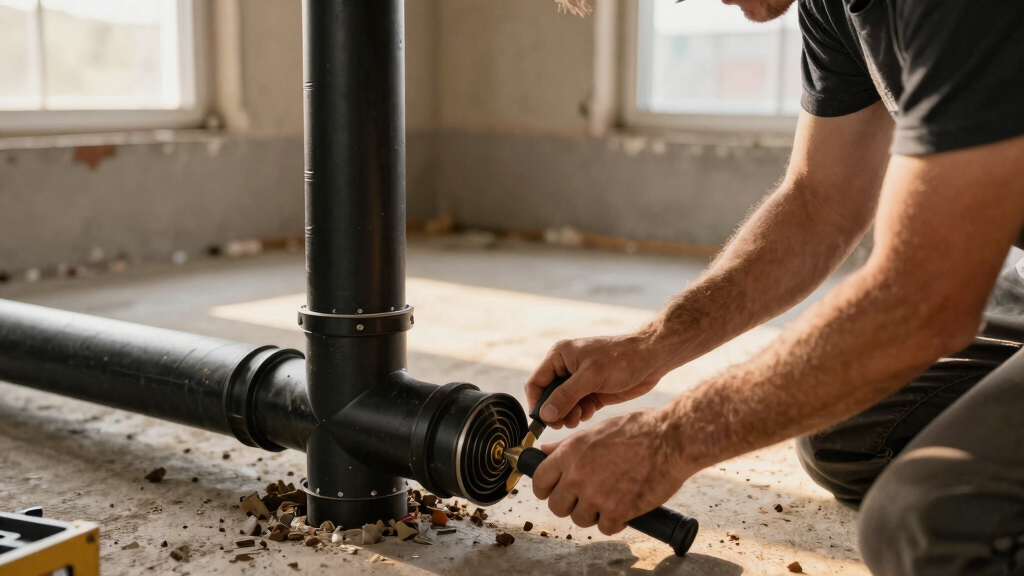

Choosing the best sub-slab depressurization fan for radon is essential for effective mitigation. The top pick, RadonAway XP151, offers reliable performance and energy efficiency, making it suitable for most homes. The Festa AMG Maverick EC stands out for its quiet operation and durability, ideal for noise-sensitive environments. Meanwhile, budget-conscious buyers might prefer the Suncourt Radon Mitigation System Kit for its affordability and straightforward installation. However, tradeoffs include varying noise levels, power consumption, and installation complexity. Continue reading to explore these options in detail and find the best fit for your needs.
Key Takeaways
- Performance consistency across different fan sizes and designs is key for effective radon mitigation.
- Energy efficiency often correlates with quieter operation and lower long-term costs, making it a crucial factor.
- Installation ease varies; kits with pre-installed components save time but may limit customization.
- Durability and waterproof ratings are vital for outdoor or basement installation environments.
- Higher-priced fans generally offer better noise control and longer lifespan, but some budget options are surprisingly capable.


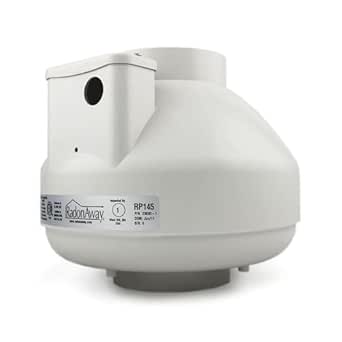


More Details on Our Top Picks
4 to 3 inch Radon Mitigation System Kit – 2 Speed Radon Fan 240CFM | 168CFM with Rubber Couplings and Air Pressure Indicator, Quiet and Energy Efficient, Fits 3” Piping
This kit stands out for its comprehensive design, including a dual-speed fan that balances power and noise. Compared to the RadonAway 23010-1 XP151, it offers more flexible installation options with a user-friendly kit that includes couplings and an air pressure indicator. Its two-speed operation allows homeowners to start at high power for quick radon reduction, then switch to low for quieter operation, which is ideal for residences close to living spaces. Its durable ABS+PC housing with waterproof rating (IP67) makes it suitable for both indoor and outdoor mounting, adding versatility. However, the fan’s higher noise level at high speed (44dB) might be noticeable in quieter environments, and its size could be less suitable for very small spaces. This pick makes the most sense for DIY homeowners seeking a reliable, quiet, and flexible radon mitigation solution that doesn’t compromise on performance.
Pros:- Two-speed operation for flexible radon control and noise management
- Complete installation kit with couplings and pressure gauge included
- IP67 waterproof rating for indoor/outdoor versatility
- Sturdy, durable construction with a 10+ year lifespan
Cons:- Moderate noise at high speed (44dB) may be noticeable in quiet areas
- Size may be less ideal for tight spaces or small closets
Best for: DIY homeowners wanting a ready-to-install, quiet, and durable radon mitigation fan suitable for outdoor or indoor use.
Not ideal for: Small apartments or homes requiring ultra-compact systems, as the kit’s size and installation space might be limiting.
- Air Flow Capacity:240 CFM high / 168 CFM low
- Noise Level:44 dB at high speed
- Size:12.2″D x 11.4″W x 13.3″H
- Material:ABS+PC waterproof housing
- Voltage:110V
- Wattage:95 watts
Bottom line: This kit is perfect for DIYers seeking a balanced, durable, and adaptable radon fan for both indoor and outdoor installation.
RadonAway 23010-1 XP151 Radon Mitigation Fan, 4″
The RadonAway XP151 is distinguished by its low energy consumption and sleek, low-profile design, making it ideal for homes where space is limited. Unlike the Festa AMG Maverick, which emphasizes quiet operation and energy efficiency, this model offers a robust, thermally protected motor with sealed seams that inhibit radon leakage, meeting strict electrical standards (ETL Listed). Its quiet operation (not specified, but designed for minimal noise) makes it suitable for continuous use without disturbing household activities. Its low-profile design is advantageous for discreet installation, but it may provide slightly less airflow than larger, more powerful fans like the Festa AMG Maverick. It’s a solid choice for those prioritizing energy savings and durability in a compact form.
Pros:- Low energy consumption for cost-effective operation
- Sealed seams and thermally protected motor enhance durability
- Compact, low-profile design for discreet installation
- ETL listed for safety and compliance
Cons:- Lower airflow capacity compared to larger models (not specified but generally less than 260+ CFM fans)
- Less suitable for very high radon levels or larger homes
Best for: Homeowners needing a quiet, energy-efficient fan suitable for indoor or outdoor use in residential settings.
Not ideal for: Large or heavily contaminated radon areas requiring maximum airflow, where higher capacity fans are needed.
- Diameter:4 inches
- Air Flow Capacity:variable, designed for efficiency
- Noise Level:quiet (exact dB not specified)
- Waterproof:Yes
- Power:Low energy
- Electrical Safety:ETL Listed
Bottom line: This fan is ideal for homeowners seeking a quiet, reliable, and energy-efficient radon mitigation solution for smaller or moderate spaces.
4 inch Radon Fan Installation Kit – 2 Speed Radon Mitigation Fan 260/188CFM Inline Centrifugal Fan with Rubber Couplers (4 inch x 3 inch) and Air Pressure Indicator
This kit makes a compelling choice for those wanting powerful radon removal with simple installation. Its 2-speed operation—260 CFM at high and 188 CFM at low—offers flexibility similar to the 4 to 3 inch Radon Mitigation System Kit, but with a streamlined design focused on high airflow. Compared to the Festa AMG Maverick, it emphasizes higher capacity, making it suitable for larger homes or more contaminated areas. The included rubber couplers and pressure indicator streamline installation, and the IP67 waterproof rating allows for outdoor mounting. Its noise level (45dB at high speed) is slightly higher than some competitors, but this is often acceptable given its performance. This kit suits homeowners who prioritize raw airflow and straightforward DIY setup.
Pros:- High airflow capacity (260 CFM at high speed)
- Simple, one-click wiring and included couplers for easy installation
- IP67 waterproof rating for indoor/outdoor use
- Two-speed operation for tailored radon mitigation
Cons:- Noise at high speed (45dB) may be noticeable in quiet environments
- Slightly larger size may be less suitable for tight spaces
Best for: Homeowners needing high airflow capacity with flexible, easy-to-assemble installation for larger or more radon-prone areas.
Not ideal for: Very small or noise-sensitive spaces where quieter operation is prioritized over maximum airflow.
- Air Flow:260 CFM high / 188 CFM low
- Noise Level:45 dB at high
- Size:12.2″D x 11.4″W x 13.3″H
- Material:Waterproof plastic
- Voltage:120V
- Wattage:98 watts
Bottom line: This kit is suited for those seeking robust airflow with straightforward installation in larger or more contaminated spaces.
Festa AMG Maverick Radon Fan – Quiet and Energy Efficient 260 CFM Radon Mitigation System Inline Duct Fan – 4″ Electric Inline – Made with Sturdy Glass Reinforced Poly-Resin – White
The Festa AMG Maverick excels in combining energy efficiency with quiet operation, making it ideal for homes where low noise is a priority. With a power draw of just 70 watts and a noise level between 50-60dB, it offers a quieter alternative to larger, louder fans like the 4 to 3 inch Radon Mitigation System Kit. Its sturdy construction with glass-reinforced poly-resin ensures durability over years of use, and the simple one-click wiring makes installation accessible for DIYers. While it boasts impressive energy savings and a 5-year warranty, it’s less powerful than fans with higher CFM ratings, which could limit its effectiveness in very high radon scenarios. This fan is best suited for homeowners seeking a balance of efficiency, quiet operation, and ease of installation.
Pros:- Low power consumption at 70 watts
- Quiet operation (50-60dB), suitable for living spaces
- Made with durable glass-reinforced poly-resin
- Extended 5-year warranty and easy DIY installation
Cons:- Lower airflow capacity (260 CFM) compared to some larger units
- Not suitable for very high radon environments or large spaces
Best for: Homeowners prioritizing quiet, energy-efficient radon mitigation in moderate-sized, low-to-moderate radon level homes.
Not ideal for: Large homes or areas with extremely high radon levels where maximum airflow capacity is necessary.
- Air Flow Capacity:260 CFM
- Noise Level:50-60 dB
- Power:70 watts
- Material:Glass reinforced poly-resin
- Size:4 inches
- Warranty:5 years
Bottom line: This fan is ideal for users seeking a quiet, energy-efficient, and durable radon mitigation fan for moderate residential needs.
Festa AMG Maverick EC Radon Fan – 4“ Installation Kit – Quiet and Energy Efficient Radon Mitigation Inline Fans – High Performance 4” Duct Fan
This Festa AMG Maverick EC fan stands out for its combination of energy efficiency, ease of installation, and quiet operation, making it ideal for homeowners tackling radon issues themselves. Compared to the RadonAway RP145C, it offers lower power usage and a user-friendly one-click wiring process, though the latter has a longer track record and slightly higher suction capacity. The Festa model’s energy savings can significantly reduce long-term costs, and its 7-year warranty provides peace of mind. However, its maximum pressure of 2.55″ w.g. may be insufficient for very large or complex systems, and its airflow capacity of 183 CFM might fall short for high-radon zones. This pick makes the most sense for DIYers seeking a quiet, energy-efficient solution with straightforward installation.
Pros:- Extremely energy efficient with 65W power consumption
- Simple, one-click wiring for easy DIY installation
- Quiet operation at 60 decibels
Cons:- Maximum pressure of 2.55″ w.g. may limit performance in larger systems
- Airflow capacity of 183 CFM might be insufficient for high-radon environments
Best for: Homeowners installing a radon mitigation system themselves, especially in structures with porous sub-slabs like gravel.
Not ideal for: Professionals needing the highest possible airflow or working in very high radon zones where maximum suction is critical.
- Power Wattage:65 watts
- Max Pressure:2.55″ w.g.
- Air Flow Capacity:183 CFM
- RPM:2968 RPM
- Voltage:115 Volts
- Dimensions:12.06″ D x 12.06″ W x 9.25″ H
Bottom line: This fan is perfect for homeowners looking for a quiet, energy-efficient inline radon fan suitable for smaller to medium-sized homes.
RadonAway RP145C Radon Fan P/N 23030-1 Inlet/outlet Diameter of 4.5
The RadonAway RP145C is a well-established fan known for its durability, quiet operation at around 30 decibels, and compliance with electrical codes, making it a favorite among professionals and serious DIYers. Unlike the Festa AMG Maverick EC, it offers slightly higher airflow at 260 CFM, which can be advantageous for larger or more radon-prone homes. Its 5-year limited warranty adds to its reliability. Nevertheless, it consumes more power and may generate more noise compared to newer, more energy-efficient models. Its size and weight (around 6 pounds) are manageable but slightly bulkier for tight installations. This fan is ideal for users needing dependable, proven performance with quiet operation in standard-sized systems.
Pros:- Proven durability with a 5-year warranty
- Quiet operation around 30 dB
- Meets all electrical code requirements
Cons:- Higher power consumption than newer models
- Bulkier size may complicate installation in tight spaces
Best for: Homeowners and contractors requiring a durable, quiet, and reliable radon mitigation fan with proven performance.
Not ideal for: Homeowners seeking the lowest energy consumption or very compact installation options.
- Air Flow Capacity:260 CFM
- Noise Level:30 dB
- Motor Type:Water-hardened impeller
- Diameter:4.5 inches
- Warranty:5 years
- Weight:Approximately 6 pounds
Bottom line: This fan suits those prioritizing proven reliability and quiet operation, especially in standard-sized radon systems.
4 inch EC Radon Mitigation Fan 4″ – 250 CFM Ultra-Quiet Inline Duct Fan, IP67 Waterproof, Electronically Commutated Energy-Efficient Motor – Indoor/Outdoor Radon Exhaust System
This 4-inch EC fan offers a robust 250 CFM airflow, with an ultra-quiet operation at approximately 38–40 dB, making it suitable for nighttime mitigation or noise-sensitive environments. Its IP67 waterproof rating ensures durability outdoors, surpassing the basic features of models like the Tjernlund PVC4. Designed with an energy-efficient EC motor, it consumes less power and has a longer lifespan, ideal for larger or more complex mitigation projects. However, its slightly higher cost and the need for standard 4-inch piping may limit its appeal for simple DIY installs. Its sealed design minimizes radon leakage, making it reliable for outdoor use. This model is best for larger homes or environments where noise reduction and outdoor durability are priorities.
Pros:- High capacity airflow of 250 CFM
- Ultra-quiet at 38–40 dB
- IP67 waterproof and dustproof rating
Cons:- Higher price point compared to basic models
- Requires standard 4-inch piping, limiting flexibility
Best for: Homeowners with larger radon zones or requiring outdoor installation with quiet operation.
Not ideal for: Small homes or users on a tight budget who do not need outdoor durability or high airflow.
- Air Flow Capacity:250 CFM
- Noise Level:38–40 dB
- Waterproof Rating:IP67
- Motor Type:Electronically Commutated (EC)
- Wattage:Approximately 16 watts
- Dimensions:6.4″ D x 6.5″ W x 6.8″ H
Bottom line: This fan is ideal for larger or outdoor radon systems where high airflow, durability, and quiet operation are essential.
4 inch Radon Fan Installation Kit -Radon Mitigation System Kit with Rubber Couplers (4 inch x 4 inch) and Air Pressure Indicator Indoor Outdoor IP67 Waterproof
This installation kit combines a 4-inch radon fan with rubber couplers and an air pressure indicator, simplifying the setup process for DIY homeowners. Compared to an individual fan like the Tjernlund PVC4, this kit provides all necessary components in one package, making it easier to install and maintain. Its IP67 waterproof rating allows outdoor use, akin to the 4 inch EC Radon Mitigation Fan. While the kit’s fan offers reliable performance and quiet operation, it may lack the advanced features or higher airflow capacities of dedicated systems, and the included components are basic. Its straightforward design is ideal for those new to radon mitigation or upgrading existing systems without complicated configurations. This kit makes radon reduction accessible for DIYers seeking a complete, weatherproof solution.
Pros:- Complete kit with fan, couplers, and pressure indicator
- IP67 waterproof for outdoor installation
- Simple, straightforward installation
Cons:- Limited airflow capacity compared to high-performance fans
- Basic components may not suit complex or large systems
Best for: DIY homeowners installing or upgrading radon mitigation systems with a focus on simplicity and weatherproofing.
Not ideal for: Professional installers needing high-capacity or advanced monitoring features.
- Fan Diameter:4 inches
- Waterproof Rating:IP67
- Includes:Rubber couplers, air pressure indicator
- Indoor/Outdoor Use:Yes
- Material:Plastic
- Wattage:Not specified
Bottom line: This kit is best for DIYers seeking an easy, weatherproof solution to install or upgrade a radon mitigation system.
Tjernlund PVC4 Radon Mitigation Fan Model – Exhaust Fan with 6-Ft. Power Cord, Minimal Power Consumption, 4 In. PVC Pipe. Ventilation Fans
The Tjernlund PVC4 is designed for quick and simple radon mitigation in residential settings, with a 6-foot power cord and minimal power draw. Its compact size and easy-to-assemble design make it ideal for DIY projects, especially where space is limited. Compared to the Festa AMG Maverick EC, it offers less airflow (around 90 CFM) but excels in ease of installation and affordability. Its sealed, heavy-duty galvanized steel housing ensures durability, and its backward inclined impeller reduces noise. On the downside, its lower airflow capacity limits its effectiveness in high-radon areas, and it is primarily suited for small to medium-sized systems. This fan is best for homeowners needing a quick, cost-effective solution for small-scale radon mitigation.
Pros:- Easy to install with quick assembly
- Low power consumption
- Includes a 6-foot power cord for convenience
Cons:- Limited airflow capacity of about 90 CFM
- Less suitable for large or high-radon environments
Best for: Homeowners installing a small-scale radon system or seeking an affordable, easy-to-assemble fan.
Not ideal for: Large homes or high-radon zones requiring higher airflow and more robust performance.
- Air Flow Capacity:90 CFM
- Power Consumption:16 watts
- Length of Power Cord:6 feet
- Mounting Type:Ceiling or wall
- Material:Galvanized steel
- Noise Level:Low
Bottom line: This fan is perfect for small or simple radon mitigation projects where ease of installation and affordability are priorities.
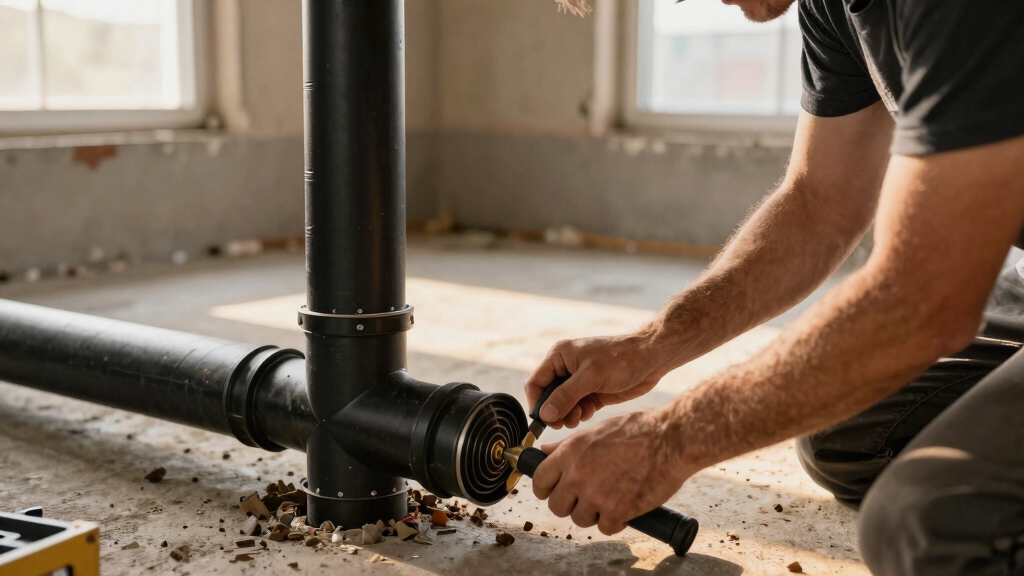
How We Picked
To determine the best sub-slab depressurization fans for radon, I focused on a combination of performance, durability, ease of installation, energy efficiency, and value. Each product was evaluated based on airflow capacity, noise levels, build quality, and suitability for indoor or outdoor use. The ranking reflects how well these factors align with typical consumer needs, balancing cost against longevity and effectiveness. We also considered user feedback and compatibility with common radon mitigation systems, aiming to highlight options that serve different priorities—from budget-friendly solutions to premium, quiet models.Factors to Consider When Choosing Best Sub-slab Depressurization Fan For Radon
Selecting the right sub-slab depressurization fan involves understanding several key factors. While performance is paramount, ease of installation, durability, and energy efficiency also influence long-term satisfaction. Being aware of these considerations helps avoid common pitfalls, such as choosing a fan that’s too small or not suited for outdoor use. This guide covers the main factors to weigh when making your decision, providing broader insights beyond product specs to ensure you pick a system that fits your home’s specific needs.Airflow Capacity and System Size
Matching the fan’s airflow capacity to your home’s size is essential. A fan that’s too small won’t effectively reduce radon levels, risking insufficient mitigation. Conversely, an oversized fan can waste energy and create unnecessary noise. Understanding your home’s square footage and basement configuration helps determine the appropriate CFM (cubic feet per minute) rating. Always consult local radon mitigation guidelines or a professional for precise sizing, especially for larger or complex homes.
Noise Levels and Quiet Operation
Noise is a common concern with radon fans, particularly if installed in living areas or bedrooms. Some models feature sound insulation or quieter motors, which can significantly improve comfort. Higher-quality fans often incorporate electronically commutated motors that reduce noise without sacrificing performance. Keep in mind that a quieter fan might come at a higher price, but the benefit often outweighs the cost if you value peaceful indoor environments.
Durability and Waterproof Ratings
Since many radon fans are installed outdoors or in damp areas, durability and waterproof ratings are vital. Fans with IP67 or higher ratings resist dust and water intrusion, prolonging lifespan and reducing maintenance. Outdoor-rated fans also withstand temperature fluctuations better, maintaining consistent operation over time. Choosing a well-built, weatherproof unit minimizes the risk of failure and costly replacements, making it a smart investment for long-term radon control.
Energy Efficiency and Operating Costs
Energy-efficient fans, especially those with electronically commutated motors, consume less power and generate fewer operating costs over time. While these models may have a higher upfront price, they often justify the expense through lower electricity bills and quieter operation. For homes where continuous operation is necessary, investing in an energy-efficient fan can lead to significant savings while contributing to a more sustainable system.
Ease of Installation and Compatibility
Ease of installation varies widely; some fans come as complete kits with rubber couplings and pressure indicators, simplifying setup. Others may require additional accessories or modifications, which can increase complexity and cost. Compatibility with existing piping and system components is also important—choosing a fan with adjustable inlet/outlet sizes or flexible mounting options can save time and reduce frustration. Always verify dimensions and compatibility before purchase to ensure smooth installation.
Frequently Asked Questions
How do I determine the right airflow capacity for my home?
Determining the proper airflow capacity depends on your home’s size, basement configuration, and radon levels. Typically, a system should provide sufficient airflow to lower radon concentrations below recommended limits. Local building codes or radon mitigation guidelines often specify CFM requirements based on square footage. Consulting a professional can help accurately size the fan, ensuring it’s neither underpowered nor excessively large, which optimizes performance and energy use.
Can I install a radon fan myself, or should I hire a professional?
Many sub-slab depressurization fans are designed for DIY installation, especially kits with clear instructions and pre-installed components. However, proper installation is critical for system effectiveness and safety, particularly when sealing the basement or crawlspace. If you’re comfortable with basic plumbing and electrical work, DIY might be feasible. For larger or more complex setups, or if local codes require it, hiring a professional ensures proper, compliant installation and peace of mind.
How often should I replace or maintain my radon fan?
Most radon fans are built to last several years, with many manufacturers recommending inspections every 2-3 years. Regular maintenance, such as cleaning vents and checking for unusual noises or vibrations, can extend lifespan. If the fan shows signs of failure—like decreased airflow, excessive noise, or electrical issues—it’s best to replace it promptly. Choosing a model with a durable motor and good warranty coverage can reduce long-term maintenance costs.
What features should I look for in a quiet radon fan?
Quiet operation typically involves high-quality motors, sound-insulating enclosures, and optimized blade designs. Electronically commutated motors are known for quieter performance and energy efficiency. Some models include noise-reduction features built into their design, which can be especially valuable in living spaces or bedrooms. While these features may add to the cost, they significantly improve comfort without sacrificing effective radon mitigation.
Is it worth paying more for a higher-end radon fan?
Investing in a higher-end fan often results in lower noise levels, greater durability, and better energy efficiency, which can justify the higher initial cost. These models are typically designed to operate reliably over many years, reducing maintenance and replacement expenses. For homes in high-radon areas or where continuous operation is required, paying more for a premium fan can lead to more consistent mitigation and peace of mind, making it a worthwhile long-term investment.