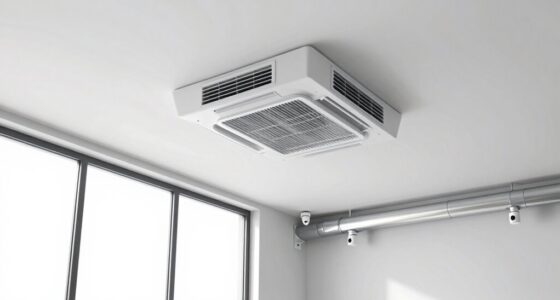
A mold-prone room audit helps you spot hidden moisture problems before they cause odors or health issues. You’ll evaluate air circulation, identify areas with poor ventilation, and check for excess humidity or leaks. Fixing issues early prevents mold from developing silently. Regularly inspecting ventilation systems and structural gaps keeps moisture at bay. Want to learn more about effective strategies to keep your home mold-free? Keep going to discover how proactive measures protect your indoor air quality.

Get home appliances delivered free with Prime
- Fast, free delivery on millions of items
- Prime Video, Amazon Music and more included
- Member-only deals all year
Key Takeaways
- Identifies hidden moisture issues before mold becomes visible or causes odors.
- Evaluates air circulation to prevent stagnant, damp areas conducive to mold growth.
- Checks structural and ventilation systems for blockages or leaks that trap moisture.
- Monitors humidity levels to maintain a mold-inhibiting environment proactively.
- Provides early detection of water stains or condensation signs indicating potential mold development.
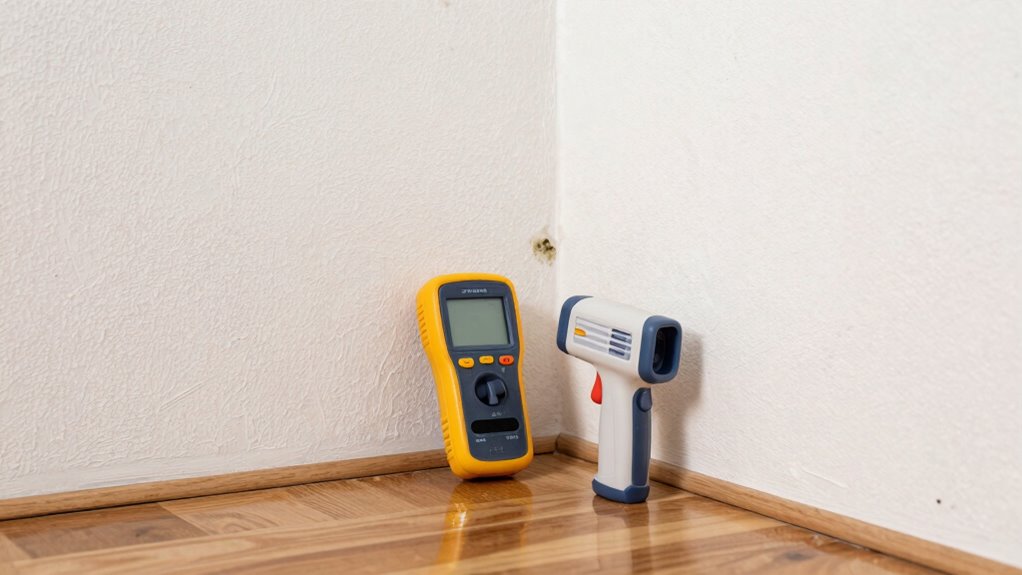
If your home tends to develop mold issues, conducting a thorough mold-prone room audit can help identify problem areas before mold becomes visible or causes health concerns. The key is to focus on how air circulation and moisture control influence mold growth. Mold thrives in damp, poorly ventilated spaces, so understanding these factors is essential. When you perform an audit, start by inspecting rooms where moisture tends to accumulate, such as bathrooms, basements, kitchens, and laundry areas. These are the prime spots where mold can develop unnoticed.
One of your main priorities should be evaluating air circulation. Poor airflow allows moisture to linger, creating a hospitable environment for mold spores to settle and grow. Check for areas where air seems stagnant—corners, behind furniture, or under sinks. If airflow is restricted, you might notice condensation buildup or persistent dampness. Improving air circulation can involve simple steps like opening windows regularly, using exhaust fans, or installing vents to promote better airflow. Doing this reduces humidity levels and helps keep surfaces dry. Proper ventilation prevents excess moisture buildup, which is crucial for controlling mold-friendly environments.
Improve airflow by opening windows, using exhaust fans, and installing vents to reduce humidity and prevent mold growth.
Moisture control is equally critical. Identify sources of excess moisture, such as leaks, condensation, or high humidity levels. Look for water stains, peeling paint, or warped materials—these signs point to ongoing moisture problems. Fix leaks promptly, and consider using dehumidifiers or air conditioners to regulate indoor humidity, ideally keeping it below 60%. When humidity stays high, mold spores find it easier to settle and grow. Use moisture meters if necessary to measure humidity levels in different rooms, especially in hidden or less ventilated areas. Additionally, understanding mold-prone environments can help you better address potential issues before they escalate. Proper moisture management is essential for long-term mold prevention and maintaining healthier indoor air quality.
In your audit, don’t forget to examine ventilation systems. Blocked or inefficient exhaust fans can trap moisture indoors. Clear any obstructions and ensure vent ducts are functioning properly. If you discover persistent dampness or mold, sometimes the issue is structural—poor insulation or inadequate sealing around windows and doors can allow moisture to seep in. Addressing these issues reduces the likelihood of mold developing over time. Regularly inspecting and maintaining these systems and structures is a proactive step towards healthier indoor spaces. Additionally, structural issues like gaps or cracks can significantly contribute to moisture intrusion, so addressing them promptly is vital.
As an affiliate, we earn on qualifying purchases.
Frequently Asked Questions
How Often Should a Mold-Prone Room Be Audited?
You should audit mold-prone rooms at least every three to six months to guarantee mold prevention and moisture control. Regular inspections help catch hidden issues early, preventing mold growth before it becomes visible or causes health problems. Keep an eye on humidity levels, fix leaks promptly, and maintain good ventilation. Consistent audits allow you to address moisture problems quickly, maintaining a healthy, mold-free environment.
Can I Perform a Mold Audit Myself?
Yes, you can perform a DIY inspection to catch mold early. Think of it as being your own detective in a mold prevention mission. Use a flashlight to check hidden corners, look for water stains, and inspect damp areas regularly. While professional testing offers thorough results, a careful DIY approach helps catch warning signs early, saving you from costly repairs and health issues down the line.
What Tools Are Needed for a Mold-Prone Room Audit?
You’ll need a few essential tools for a mold-prone room audit. A moisture meter helps you detect hidden dampness in walls and ceilings, while an air quality monitor measures airborne mold spores and pollutants. Combining these tools allows you to identify problem areas early. Make sure to also have a flashlight for inspecting dark corners and a camera or phone to document any signs of mold or moisture issues for future reference.
Are There Specific Signs Indicating Hidden Mold?
You’ll notice signs of hidden mold like persistent musty odors, water stains, or discoloration on walls and ceilings. Keep an eye out for peeling paint or wallpaper, warped surfaces, and visible mold growth in hidden corners. These signs often point to hidden moisture problems fueling mold growth. By spotting these clues early, you can address hidden moisture before it turns into a bigger mold issue, safeguarding your space and health.
How Much Does a Professional Mold Audit Typically Cost?
A professional mold audit usually costs between $300 and $600, depending on your home size and the extent of testing needed. This investment helps you focus on mold prevention and improves air quality by identifying hidden mold issues early. By catching problems before they become visible or cause health concerns, you protect your home’s integrity and maintain a healthier living environment. Regular audits are a smart, proactive approach to mold management.
As an affiliate, we earn on qualifying purchases.
Conclusion
Now that you’ve spotted the telltale signs and taken steps to prevent mold, the real test begins. Will your efforts keep the space safe and dry, or will hidden issues sneak past your defenses? The truth is, mold can be sneaky, lurking where you least expect. Stay vigilant, and don’t let your efforts go to waste. The next surprise might be just around the corner—are you ready to catch it before it takes hold?
As an affiliate, we earn on qualifying purchases.
As an affiliate, we earn on qualifying purchases.
NFL season / tailgating Picks
team gear
As an affiliate, we earn on qualifying purchases.