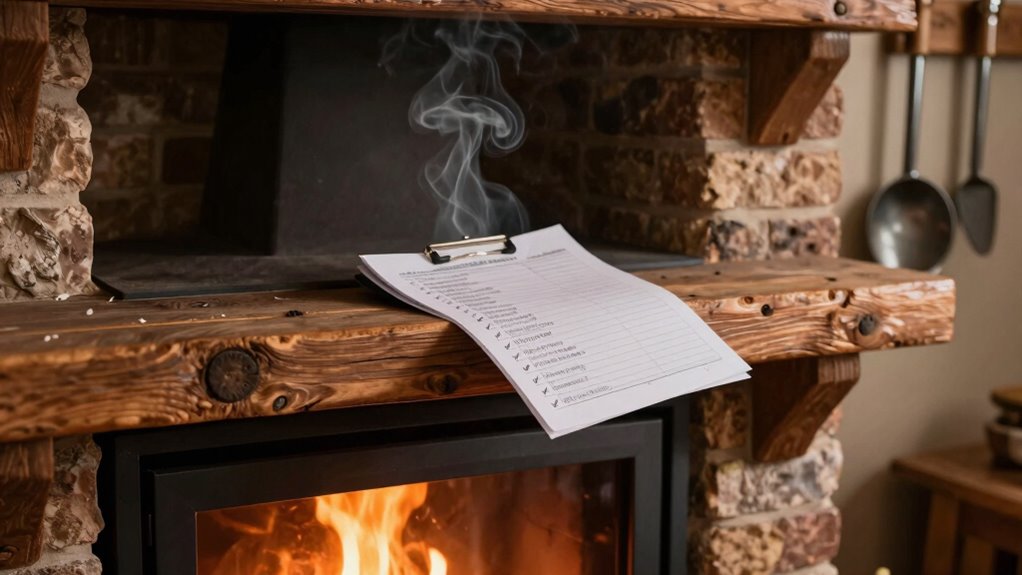

To spot airflow problems, start by checking for soot, creosote, or debris buildup inside the chimney, which can block airflow and cause smoke to escape. Make sure the damper opens fully and that there are no obstructions on the chimney cap or flue. Observe how smoke moves when starting a fire—backdrafts and lingering smoke suggest draft issues. Proper ventilation around your fireplace also matters. Keep investigating these points, and you’ll uncover more tips to keep your fireplace smoke-free.
Open a free Amazon Business account
Business pricing, bulk buying and tax-exempt orders.
As an affiliate, we earn on qualifying purchases.
Key Takeaways
- Regularly inspect and clean the chimney to prevent soot buildup blocking airflow.
- Observe smoke movement when starting a fire to identify draft or ventilation issues.
- Check for obstructions in the chimney cap or flue that may cause smoke escape.
- Adjust dampers and create slight pressure differences by opening windows or doors if needed.
- Schedule professional inspections to detect hidden blockages or damage affecting airflow.
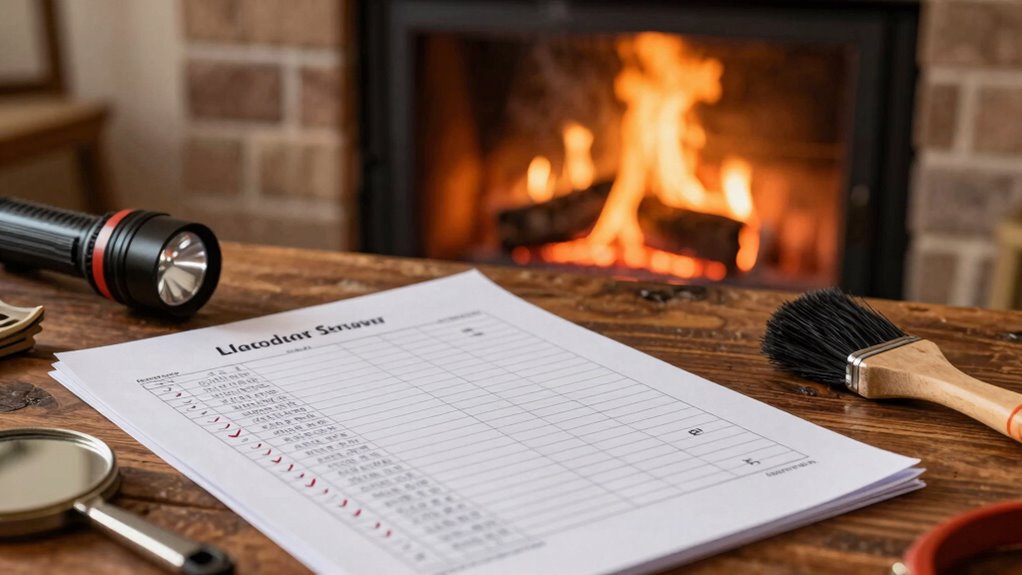
Have you ever wondered what to do if smoke starts escaping your fireplace unexpectedly? It can be frustrating and even dangerous if the smoke isn’t venting properly. One of the first steps you should take is to check whether your chimney needs cleaning. Over time, soot, creosote, and debris can build up inside the chimney, blocking proper airflow. Regular chimney cleaning is essential to keep the vent clear and guarantee that smoke rises efficiently. If your chimney isn’t cleaned regularly, you might notice smoke backing up into the room, which is a clear sign that airflow is compromised.
Check if your chimney needs cleaning—built-up soot and debris can block airflow and cause smoke backup.
Another key aspect is draft regulation. Proper draft is what pulls the smoke up and out of your fireplace, so if it’s not working right, smoke can escape into your living space. To troubleshoot draft issues, start by opening a nearby window or door slightly when you’re using the fireplace. This helps create a pressure difference that can improve airflow temporarily. If smoke still escapes, you might need to adjust the damper or look for obstructions in the chimney cap or flue. Sometimes, animals or debris can block the chimney opening, preventing proper draft regulation and causing smoke to leak out. Confirming your chimney cap is intact and clear of obstructions is a simple but crucial step.
In addition to cleaning and draft regulation, consider the design and condition of your fireplace. An uneven or damaged firebox can disrupt airflow, making it harder for smoke to vent properly. Also, check if your fireplace has adequate ventilation around it, as poor ventilation can cause negative pressure in the room, pulling smoke back inside. When inspecting for airflow problems, pay attention to how the smoke moves when you start a fire. If you see it billowing out of the chimney or lingering in the firebox, it indicates issues with draft or blockages. chimney maintenance and regular inspections are essential to keep your fireplace functioning safely and efficiently, preventing potential hazards before they arise.
Additionally, understanding the importance of chimney inspection can help identify hidden problems that might not be immediately obvious but could cause dangerous smoke leakage. Proper chimney inspection also helps ensure that the chimney components are functioning correctly and safely. Ultimately, this checklist helps you identify airflow problems before they turn into bigger hazards. Regular chimney inspections combined with attention to draft regulation can prevent smoke from escaping unexpectedly. If you notice persistent issues, don’t hesitate to call a professional chimney sweep to diagnose and resolve the problem thoroughly. By staying vigilant about chimney cleaning and understanding draft regulation, you can enjoy a cozy, smoke-free fireplace experience.
As an affiliate, we earn on qualifying purchases.
Frequently Asked Questions
How Often Should I Perform the Smoke Escape Checklist?
You should perform the smoke escape checklist at least twice a year, ideally before and after the heating season. Regular maintenance schedule and inspection frequency are key to keeping your fireplace safe and efficient. By doing this, you can spot airflow problems early, prevent smoke backup, and guarantee proper venting. Consistent checks help maintain peak performance and extend the lifespan of your fireplace, giving you peace of mind.
Can Airflow Issues Cause Indoor Air Quality Problems?
Yes, airflow issues can cause indoor pollution and affect ventilation efficiency. When airflow is blocked or insufficient, pollutants from fireplaces, cooking, or other sources can linger, reducing air quality. Poor ventilation prevents fresh air from circulating, trapping indoor pollution and potentially leading to health problems. Regularly checking your fireplace and ventilation systems guarantees proper airflow, keeps indoor air clean, and maintains a healthier environment for you and your family.
What Safety Precautions Are Necessary When Checking Airflow?
Checking airflow is like testing the flow of a river—you don’t want surprises. Always wear fire-resistant gloves and safety goggles to protect yourself from unexpected sparks or debris. Make sure your fire safety equipment is nearby, and open windows or doors for proper ventilation. Follow ventilation tips carefully, and never work alone in case of emergencies. These precautions keep you safe while accurately evaluating airflow and preventing potential hazards.
Are There Specific Tools Needed for This Checklist?
You’ll need a few essential tools for this checklist. An anemometer is vital to measure airflow accurately, while a flashlight helps inspect vents and chimneys thoroughly. A mirror can assist in hard-to-see areas, and a smoke pencil or incense stick is useful to observe airflow directions. These equipment essentials guarantee you can effectively identify airflow issues and confirm your fireplace’s safety and efficiency.
How Long Does It Typically Take to Complete the Inspection?
The inspection usually takes about 15 to 30 minutes, depending on your home’s setup and how thorough you are. To guarantee smooth inspection timing, do some prep steps first, like clearing the fireplace area and checking that vents are unobstructed. Taking these preparation steps helps you quickly identify airflow issues. Be patient and methodical, and you’ll complete the inspection efficiently while catching any potential problems early.
As an affiliate, we earn on qualifying purchases.
Conclusion
By using this fireplace smoke escape checklist, you can quickly identify airflow issues before they become big problems. Regularly checking your chimney and venting systems keeps your fireplace safe and efficient, saving you time and money. Remember, a stitch in time saves nine—address airflow problems early to prevent smoky surprises and potential hazards. Stay vigilant, and enjoy cozy, smoke-free fires all season long!
As an affiliate, we earn on qualifying purchases.
As an affiliate, we earn on qualifying purchases.
NFL season / tailgating Picks
team gear
As an affiliate, we earn on qualifying purchases.





![Pedestrian Walkways No Place For Chairs And Tables [WATCH] - NST Online](https://pureairadviser.com/wp-content/uploads/2026/09/pedestrian-walkways-no-place-for-chairs-and-tables-watch-nst-online-featured-260x140.jpg)