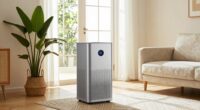
To quickly build a clean-air room during wildfires, choose a small, well-sealed space with minimal entry points, like a closet or interior room. Seal all gaps using weather stripping, caulk, and vents covers, then bring in HEPA air purifiers with activated-carbon filters. Keep windows and doors closed during smoke peaks and run the purifiers continuously. For more detailed steps and tips to keep your air safe, continue exploring these essential strategies.
Key Takeaways
- Select a small, well-sealed room with minimal entry points for effective containment.
- Seal doors, windows, vents, and leaks using weather stripping, caulk, foam, and airtight covers.
- Use HEPA air purifiers with high CADR ratings and keep filters maintained and spares ready.
- Ventilate only when necessary, ensuring airflow is from clean to contaminated areas, and monitor indoor air quality.
- Regularly inspect all seals, filters, and ventilation systems to ensure optimal performance during wildfire smoke events.

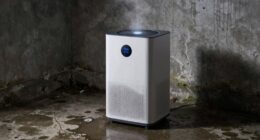
MOOKA Air Purifiers for Home Large Room up to 1076ft², H13 True HEPA Air Filter Cleaner, Odor Eliminator, Remove Smoke Dust Pollen Pet Dander, Night Light, B-D02L White
- Large Coverage Area: Covers up to 1076 ft² with 6 air changes/hr
- Effective Filtration System: Captures pet dander, smoke, odors, dust, pollen
- H13 True HEPA Filter: Removes airborne particles as small as 0.3 microns
As an affiliate, we earn on qualifying purchases.
As an affiliate, we earn on qualifying purchases.
Why a Clean-Air Room Is Essential During Wildfires

During a wildfire, smoke can quickly fill your home with harmful particles that pose serious health risks. Poor air quality during these events can worsen respiratory health, especially for children, the elderly, and those with pre-existing conditions. A clean-air room acts as an essential barrier, helping to reduce indoor smoke levels and protect your lungs. By sealing this space and using HEPA filters or air purifiers, you improve air quality and create a safe haven. This dedicated room minimizes exposure to dangerous particles, allowing you to breathe easier and avoid long-term health problems. Incorporating air filtration technology can significantly enhance the effectiveness of your clean-air space. Additionally, ensuring proper sealing techniques can prevent outdoor smoke from seeping into your protected area. Implementing ventilation strategies is also crucial in maintaining a consistent flow of clean air and preventing buildup of contaminants. Regularly testing indoor air quality with reliable monitoring devices helps ensure your efforts are effective and keeps you informed during smoky conditions.

Areyourshop 4PCS Door Belt Molding Weatherstrip Seal Kit for Honda Odyssey 2011-2017 Front Rear Left Right Window Sweep Weather Strips Replacement 72410-TK8-A11 72450-TK8-A11
- Complete 4-Piece Set: Includes front and rear, left and right weatherstrips
- Compatible with Honda Odyssey 2011-2017: Fits specific model years, check shape and part numbers
- OEM Replacement Part Numbers: Replaces 72410-TK8-A11, 72450-TK8-A11, 72910-TK8-A01, 72950-TK8-A01
As an affiliate, we earn on qualifying purchases.
As an affiliate, we earn on qualifying purchases.
How to Quickly Choose the Best Room for Your Safe Air Space

When choosing the best room for your safe air space, quick decision-making is essential to protect yourself from harmful wildfire smoke. Focus on choosing ventilation that minimizes outside air intake, such as rooms with windows that can be sealed tightly. Look for a room with enough space to comfortably set up filtration devices and allow for proper airflow. Avoid small or cramped rooms, which can hinder air circulation and make filtration less effective. Consider rooms that are easily accessible and have minimal entry points where smoke could infiltrate. Prioritize spaces with fewer doors, windows, or vents that are difficult to seal. Acting swiftly and selecting a room with ideal ventilation and suitable room size can markedly improve your chances of maintaining clean air during a wildfire. Additionally, being aware of indoor air quality and having strategies to improve it can further enhance your safety. Understanding air filtration options can help you choose the most effective solutions to keep your indoor environment safe. Ensuring the room has proper ventilation control can make a significant difference in maintaining clean air. Choosing a room with good air exchange rate can further optimize the filtration process and reduce indoor pollutant buildup.

16 in 1 Air Quality Monitor Indoor 7" Wildfire CO2 Monitor, 9 AQI+7 Alerts
- 16-in-1 Air Quality Monitoring: Detects 9 key air parameters and 7 AQI alerts
- Large 7-inch LED Display: Clear, high-resolution air quality readings
- Multiple Brightness Settings: Adjust display brightness for any lighting
As an affiliate, we earn on qualifying purchases.
As an affiliate, we earn on qualifying purchases.
Must-Have Materials and Devices for Wildfire Smoke Filtration

Having the right materials and devices is vital for effectively filtering wildfire smoke and protecting your health. The key device is an air purifier, and understanding the different air purifier types helps you choose the best one for your needs. HEPA filters are highly effective at capturing fine particles, including smoke, while activated carbon filters help remove odors and harmful gases. When selecting a purifier, consider size, airflow, and filter replacement frequency. Regular filter maintenance is essential; neglecting it reduces filtration efficiency and can circulate pollutants. Keep spare filters handy, and follow manufacturer guidelines for cleaning or replacing them. Proper DIY installation of filtration devices can improve effectiveness and ensure safety. Additionally, understanding performance metrics can help you select a device that meets your specific needs more accurately. For optimal protection, choosing a device with high CADR ratings ensures better filtration performance under wildfire smoke conditions. It’s also helpful to compare filter lifespan to plan for timely replacements and maintain consistent air quality. Analyzing cost-effectiveness can assist in selecting solutions that balance performance and affordability. By investing in quality air purifiers and maintaining their filters properly, you guarantee continuous protection against wildfire smoke’s harmful particles.

Daisypower Dryer Vent Window Kit, Adjustable Window Vent Kit with Outdoor Dryer Vent Cover,4 Inch Hood for Exhaust Ventilation
- Size Compatibility: Fits windows 16 to 47 inches wide
- Adjustable Design: Sliding side panels for easy fit
- Weatherproof Cover: Protects from dust, rain, and snow
As an affiliate, we earn on qualifying purchases.
As an affiliate, we earn on qualifying purchases.
Easy Steps to Set Up Your Emergency Air Purification Space

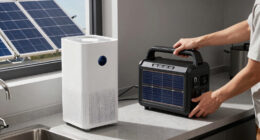
Setting up your emergency air purification space quickly and effectively can make a big difference in protecting your health during a wildfire. Start by choosing a small, well-sealed room with minimal windows and vents. Use air quality monitoring devices to assess indoor pollution levels and confirm your space’s safety. Gather your air purifiers with HEPA filters, ensuring they’re ready to run continuously. Include replacement filters and extra batteries for monitoring devices. Incorporate emergency preparedness planning by designating this room as your safe zone and informing family members. Keep a stock of masks, water, and essentials nearby. Regularly check air quality readings to guarantee your space remains safe. Proper ventilation techniques can help optimize air purification and reduce smoke infiltration. Ensuring your air purifier filters are properly maintained and replaced when necessary can significantly improve air quality. Being aware of indoor air quality monitoring methods allows you to respond swiftly and adjust your setup as needed, reducing smoke exposure during wildfire events. Additionally, understanding how air exchange rates influence indoor air quality can help you better control smoke infiltration and maintain a safer environment. Implementing ventilation strategies can further enhance your ability to keep smoke out and fresh air in.
Tips to Keep the Air Inside Your Safe Room Clean and Healthy

To keep the air inside your safe room clean, start by sealing all gaps and vents to prevent smoky air from sneaking in. Use HEPA filters effectively to trap harmful particles, and guarantee proper ventilation to maintain fresh air. These steps will help create a healthier environment during wildfire smoke events. Additionally, monitoring for microplastics in dust can help identify potential airborne contaminants that may affect indoor air quality. When installing cabling solutions like proper ventilation fans or air filtration systems, ensure they are securely mounted and correctly configured to maintain an airtight environment. Incorporating accessible air quality monitors can further help track and respond to indoor pollution levels. Regularly checking indoor air quality can provide early warnings and help you act promptly to protect your health.
Seal Gaps and Vents
Ever wonder how to keep wildfire smoke out of your safe room? The key is airtight sealing. Start by identifying gaps around doors, windows, and vents. Use weather stripping or foam sealant to block air leaks, ensuring ideal airflow inside. Proper sealing prevents smoky air from sneaking in and helps maintain a clean environment.
Here’s a quick guide:
| Gap Type | Solution |
|---|---|
| Doors & Windows | Weather stripping or door sweeps |
| Vents | Seal with airtight covers |
| Cracks & Holes | Use caulk or foam sealant |
Sealing these gaps boosts airflow optimization, keeping the air inside your safe room fresh and safe from wildfire smoke. Airtight sealing is your best defense.
Use HEPA Filters Effectively
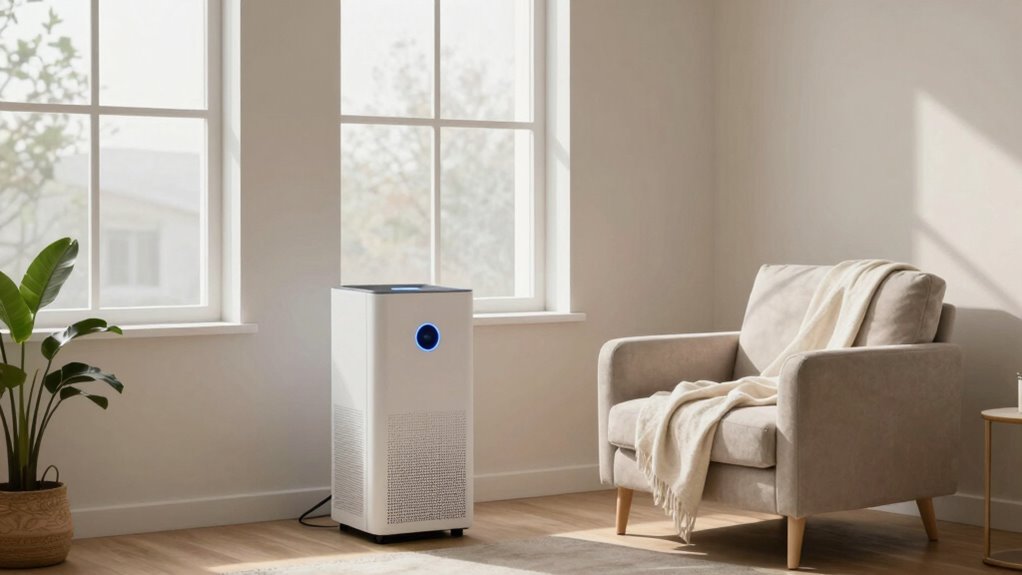
Using HEPA filters effectively is one of the best ways to keep the air inside your safe room clean and healthy during a wildfire. Regular HEPA filter maintenance ensures your air purifier works efficiently, trapping harmful smoke particles. Check and replace filters as recommended by the manufacturer to maintain essential performance. Proper air purifier placement is also vital; position it in the center of the room or near your breathing zone for maximum effectiveness. Keep doors and windows closed to prevent outside smoke from bypassing the filter. Avoid placing the purifier near walls or furniture that could block airflow. By maintaining your HEPA filter and strategically placing your air purifier, you’ll considerably improve indoor air quality and reduce smoke exposure during wildfire events.
Maintain Proper Ventilation
Maintaining proper ventilation is essential for keeping the air inside your safe room clean and healthy during a wildfire. You want to maximize air exchange with the outside while preventing smoke from entering. Use ventilation systems that are designed for wildfire conditions, such as filtered vents or exhaust fans with HEPA filters. Keep windows and doors sealed tightly when smoke levels are high, and only open them briefly if necessary. When ventilating, ensure air flows in one direction—fresh air in, contaminated air out—without allowing unfiltered smoke to infiltrate. Regularly check and maintain your ventilation systems to guarantee they are functioning properly. Proper ventilation helps dilute indoor pollutants and maintains a safer environment during wildfire smoke events.
Common Mistakes to Avoid When Building Your Wildfire Smoke Shelter

Building a wildfire smoke shelter requires careful planning, but many people make common mistakes that can compromise its effectiveness. One major error is falling into DIY mistakes, such as improperly sealing doors or windows, which allows smoke to seep in. Equipment errors are also frequent, like using inadequate filtration or failing to test ventilation systems in advance. These issues reduce the shelter’s ability to protect you from harmful smoke. To avoid these pitfalls, double-check your sealing techniques and ensure your filtration devices are rated for wildfire smoke. Additionally, test all equipment beforehand to identify potential flaws. Remember, rushing through construction or ignoring manufacturer instructions can lead to ineffective protection, so take the time to build your shelter correctly and avoid these common mistakes.
Frequently Asked Questions
How Long Can I Safely Stay in a Clean-Air Room During a Wildfire?
You can stay in a clean-air room as long as needed during a wildfire, especially if you monitor air quality regularly. Keep ventilation strategies in place, like using HEPA filters and sealing gaps, to maintain safe air levels. If air quality worsens or your filters become overwhelmed, it’s best to evacuate or seek alternative shelter. Stay vigilant with air quality monitoring to make certain of your safety during prolonged stays.
Can I Use DIY Methods to Improve Air Quality in My Safe Room?
Imagine turning your safe room into a tranquil oasis, where fresh air gently flows. You can try DIY filtration by creating simple air purifiers with household fans and HEPA filters. Adding lush household plants can also help, as they naturally filter pollutants. Just guarantee good ventilation and avoid overly humid conditions. These small steps can enhance your indoor air quality, making your refuge even more comforting during wildfire events.
What Are the Signs That Indoor Air Quality Is Deteriorating?
You’ll notice signs like a persistent, smoky smell or a dull, heavy feeling in the air, indicating airborne pollutants are building up. You might also experience coughing, eye irritation, or difficulty breathing. These signs often point to ventilation issues, causing pollutants to linger indoors. Pay attention to any increase in symptoms or odors, and consider improving airflow or filtering systems to restore safe indoor air quality quickly.
How Often Should I Replace Filters in My Emergency Air Purifier?
You should replace your emergency air purifier filters every 1 to 3 months, depending on usage and filter type. Neglecting filter maintenance can turn your purifier into a clogged, ineffective block of dust and smoke, drastically reducing its lifespan. Think of it like giving your purifier a fresh breath of life—regular changes keep it working at peak performance, ensuring your indoor air stays clean and safe during wildfire smoke events.
Is It Necessary to Seal All Windows and Doors in the Safe Room?
Yes, sealing all windows and doors is essential for effective airflow management in your safe room. This prevents smoke-laden air from entering and guarantees cleaner air stays inside. Use weather stripping or caulking to close gaps around window frames and door edges. Keep ventilation to a minimum, and consider installing an air purifier with a fresh filter to maintain good air quality. Proper sealing helps you breathe easier during wildfire smoke events.
Conclusion
Think of your safe room as a fortress amid a smoky storm. By quickly building and maintaining this barrier, you become the captain of your own ship, steering clear of danger’s reach. With the right materials and a calm approach, you create a sanctuary where clean air flows freely. Remember, your quick actions are like a sturdy shield—protecting you and your loved ones from the wildfire’s relentless assault. Stay prepared, stay safe.