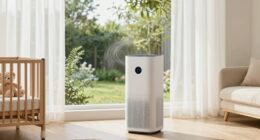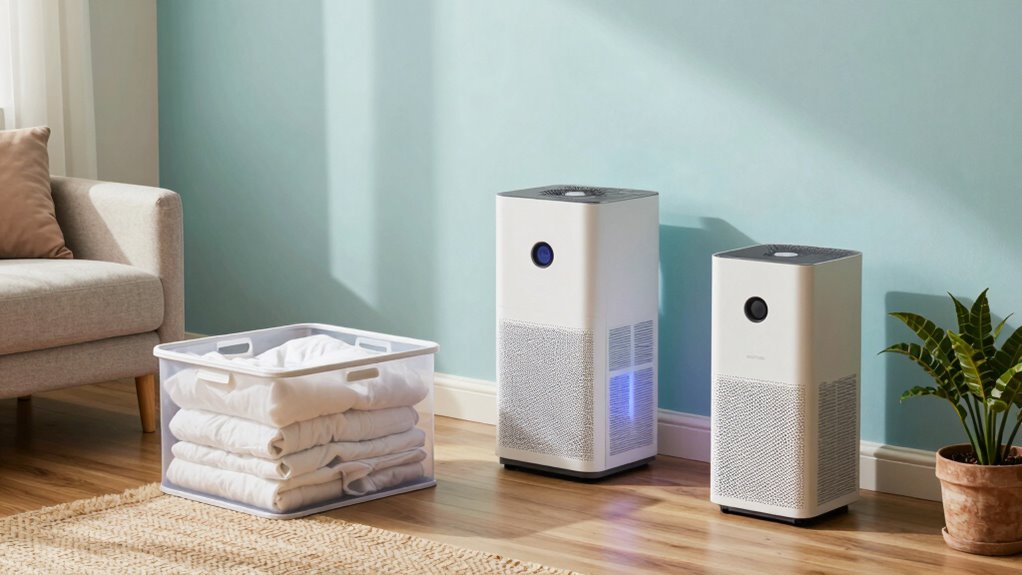
To allergy-proof your home, identify your triggers by tracking symptoms and monitoring pollutants with air quality monitors. Use HEPA filters on air purifiers and vacuum regularly. Encase pillows and mattresses with allergen-proof covers, wash bedding weekly, and choose allergen-resistant fabrics. Keep humidity levels below 50%, fix leaks promptly, and manage pet dander by grooming and cleaning pet areas. These simple fixes can greatly reduce allergens—continue exploring for more easy tips that make a big difference.
Key Takeaways
- Regularly replace HVAC and air purifier filters to maintain optimal indoor air quality.
- Use allergen-proof bedding and wash it weekly in hot water to reduce dust mites and pet dander.
- Enhance ventilation by opening windows and using exhaust fans to lower indoor humidity and mold risk.
- Keep humidity levels between 30-50% with dehumidifiers to prevent mold growth and dust mite proliferation.
- Regularly clean surfaces, vacuum with HEPA filters, and groom pets outdoors to minimize allergens and pests.
Figure Out Which Allergens Are Making You Sick
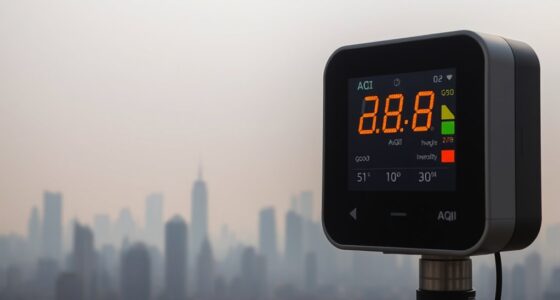
To effectively reduce your allergy symptoms, you first need to identify which allergens are causing the problem. Allergen identification is key to targeting your efforts and avoiding unnecessary triggers. Start by keeping detailed symptom tracking, noting when symptoms worsen or improve. Pay attention to patterns, such as whether symptoms flare after being outdoors or around certain pets. Consider keeping a diary that records exposure times, locations, and any changes in your environment. This information helps you pinpoint specific allergens like pollen, pet dander, or mold. The more precise your symptom tracking, the easier it becomes to identify the root cause. Additionally, understanding how home theater projectors work and their impact on lighting conditions can help optimize your environment for allergy relief by controlling ambient light and reducing glare. Being aware of air filtration systems and their role in removing allergens from indoor air can further support your efforts. Incorporating air quality monitoring devices can provide real-time data on indoor pollutants, allowing for more targeted allergen reduction strategies. Regularly checking and maintaining HVAC filters ensures optimal filtration efficiency and prevents allergen buildup. Implementing HVAC maintenance routines and regularly replacing filters can also significantly improve indoor air quality, making allergy management more effective. Once you know what’s triggering your allergies, you can take focused steps to minimize your exposure and find relief.
Clean Your Home Effectively to Reduce Dust, Dander, and Mold
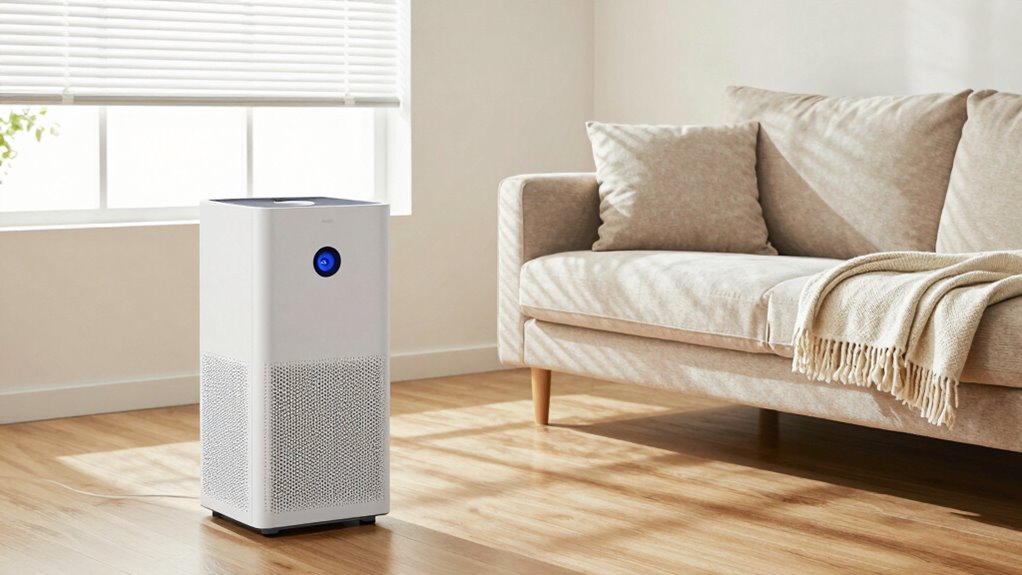
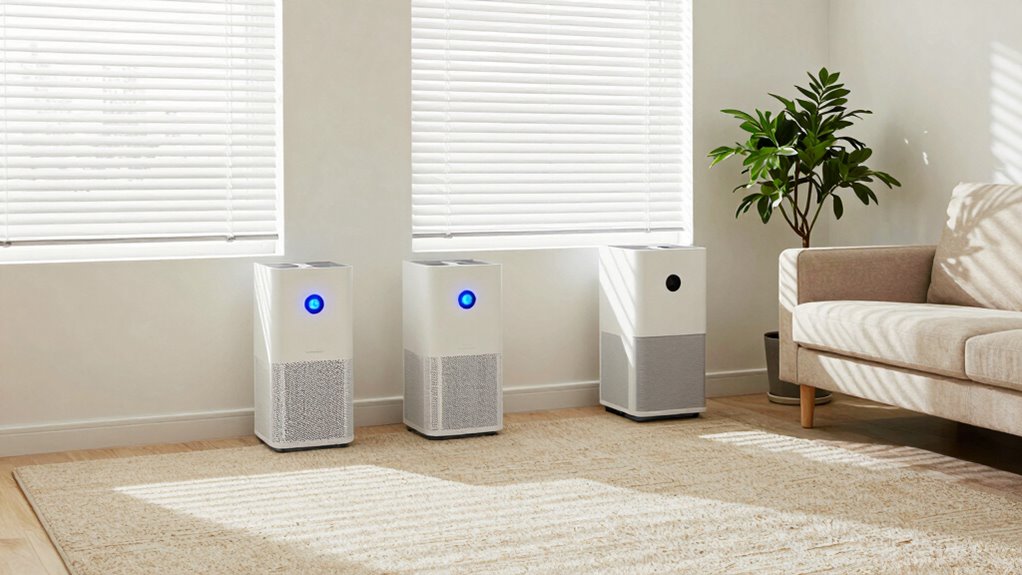
Regularly cleaning your home is essential for minimizing dust, pet dander, and mold, all of which can worsen allergy symptoms. To do this effectively, focus on removing allergens from common hiding spots. Use allergen-proof bedding on your pillows and mattress to block dust mites. Place air purifiers strategically in bedrooms and living areas to catch airborne particles. Regularly vacuum with a HEPA filter to trap dust and dander, and wash bedding weekly in hot water. Don’t forget to wipe down surfaces and clean mold-prone areas like bathrooms and basements. Additionally, incorporating halal cleaning products can ensure that your cleaning routine aligns with your cultural and religious preferences while maintaining a healthy home environment. Implementing air filtration systems can further improve indoor air quality by reducing airborne allergens and pollutants. Using appropriate cleaning methods can enhance the effectiveness of your routine and help remove embedded allergens from carpets and upholstery. These small steps make a big difference, creating a cleaner environment that helps reduce allergy flare-ups and improves overall air quality.
Use Air Purifiers and Proper Ventilation to Improve Air Quality
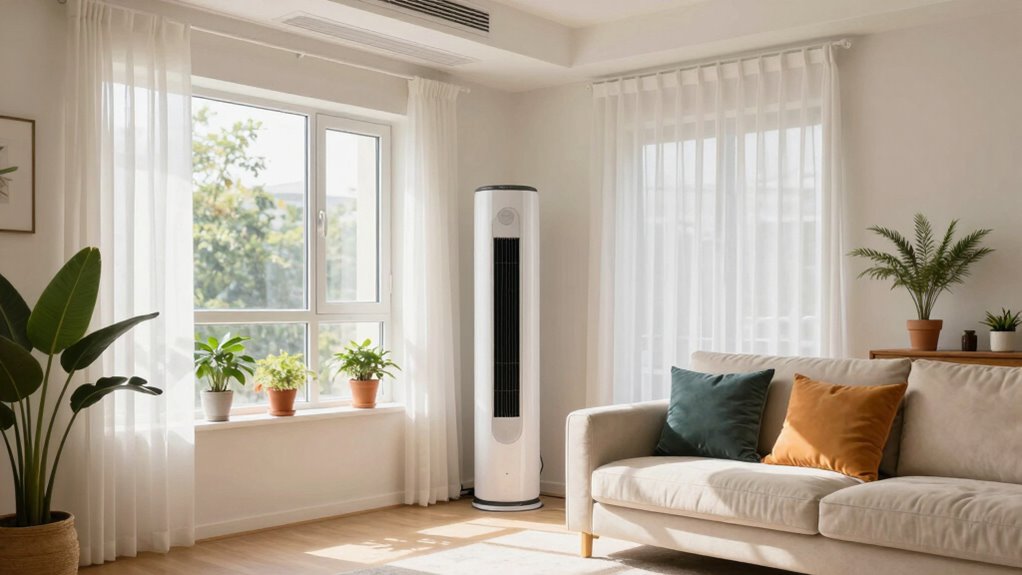
Choosing the right air purifier can make a big difference in reducing allergens in your home. You should also optimize your ventilation strategies to keep fresh air circulating and minimize indoor pollutants. Regular maintenance of your devices guarantees they stay effective and continue to improve your indoor air quality. Incorporating air fryer accessories designed for air filtration can further enhance your home environment. Additionally, selecting proper ventilation techniques can help prevent the buildup of indoor allergens and pollutants. Ensuring your ventilation systems are properly air filter maintenance can significantly improve overall air quality and reduce harmful microplastics and dust particles. Monitoring your home’s air quality levels with dedicated devices can help you stay informed about your home’s air conditions and adjust your strategies accordingly.
Choosing Effective Air Purifiers
Selecting the right air purifier can make a significant difference in reducing allergens and improving indoor air quality. To choose effectively, consider various air purifier types like HEPA filters, activated carbon, or UV models, each targeting different pollutants. Pay attention to filter replacement schedules; regular changes ensure peak performance. When shopping, think about your space size to find a unit with the right coverage. Also, look for features like quiet operation and energy efficiency. Keep in mind that some purifiers are better for dust, while others target pet dander or odors. By matching the air purifier type to your needs and maintaining the filters, you’ll create a healthier environment that reduces allergy triggers and boosts air quality. Additionally, understanding proper air purifier maintenance practices, such as regular filter cleaning and replacement, can significantly extend the lifespan and efficiency of your device. Regularly inspecting and cleaning your purifier ensures it continues to operate at peak filter efficiency, providing consistent air quality improvements. Incorporating proper ventilation techniques alongside air purifiers can further enhance air freshness and reduce indoor pollutants. Employing adequate airflow strategies can prevent pollutant buildup and improve overall indoor air quality. Ensuring proper humidity levels can also support your air quality efforts by preventing mold and dust mites.
Optimizing Ventilation Strategies
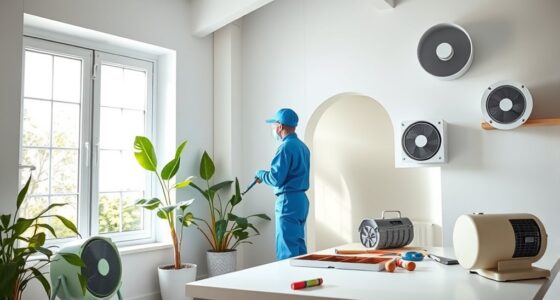
To effectively improve indoor air quality, it’s essential to combine proper ventilation with the use of air purifiers. Open windows when weather permits to bring in fresh air and reduce indoor pollutants. Use exhaust fans in kitchens and bathrooms to vent moisture and allergens outside. Incorporate indoor plants, which naturally filter airborne toxins and boost air quality. Consider natural remedies like charcoal or salt lamps that can absorb odors and allergens. Guarantee your home is well-ventilated without excessive drafts, balancing airflow to prevent mold and dust buildup. Proper Ventilation strategies are crucial for maintaining a healthy indoor environment. Incorporating essential oils such as eucalyptus or peppermint in diffusers can further enhance air purification and provide additional respiratory benefits. Regularly checking and maintaining your air filtration systems ensures optimal performance and continued air quality improvement. Using air quality monitors can help you track improvements and identify sources of indoor pollutants. Combining these strategies creates a healthier environment, reducing allergy triggers and supporting better breathing indoors.
Regular Maintenance Routines
Regular maintenance routines are essential for ensuring your air quality stays high. Consistently using air purifiers and maintaining proper ventilation helps remove allergens and airborne particles. Incorporate decorating tips like choosing allergy-friendly plants, which naturally filter indoor air, and avoid clutter that traps dust. Regularly clean or replace air purifier filters to keep them working effectively. Open windows when weather permits to improve airflow, and use exhaust fans in kitchens and bathrooms to reduce moisture and mold growth. Consider placing allergy-friendly plants such as snake plants or pothos in key areas—they’re low-maintenance and enhance air quality. Making these small, consistent updates ensures your home remains a healthier, more allergy-proof space.
Choose Allergen-Resistant Bedding and Fabrics for Better Sleep
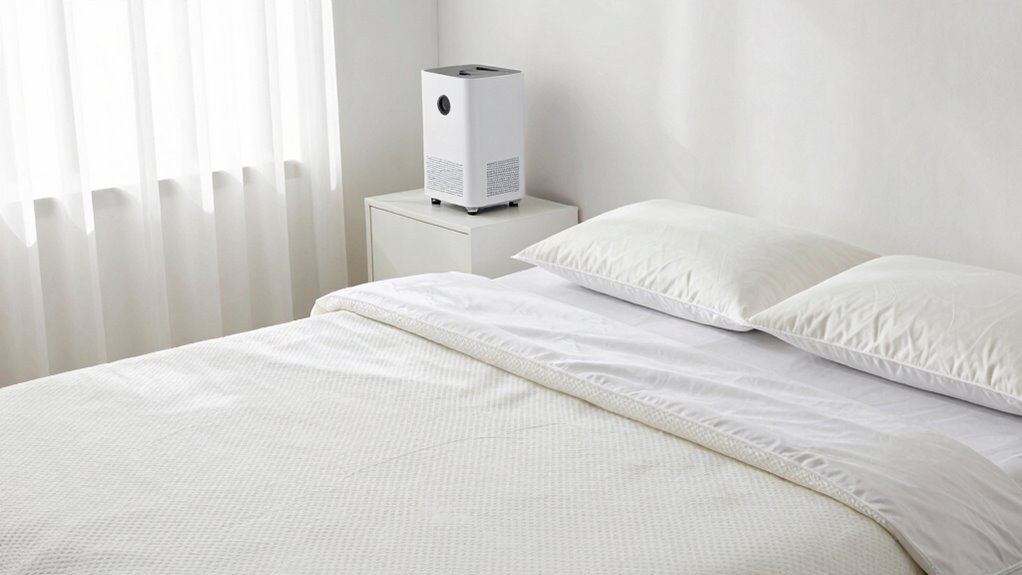
Choosing allergen-resistant bedding and fabrics can substantially improve your sleep quality by reducing exposure to dust mites, pet dander, and mold. Opt for hypoallergenic bedding, which creates a barrier against common allergens. Look for fabrics labeled as allergen resistant, designed to prevent allergen buildup and ease cleaning. These updates can make a significant difference in allergy symptoms and overall rest.
| Bedding Type | Key Benefit |
|---|---|
| Hypoallergenic pillows | Reduce dust mite exposure |
| Allergen resistant sheets | Prevent allergen accumulation |
| Dust-mite-proof mattress covers | Block mites and mold spores |
| Allergen resistant fabrics | Simplify cleaning and maintenance |
Manage Pets and Pests to Keep Allergens in Check
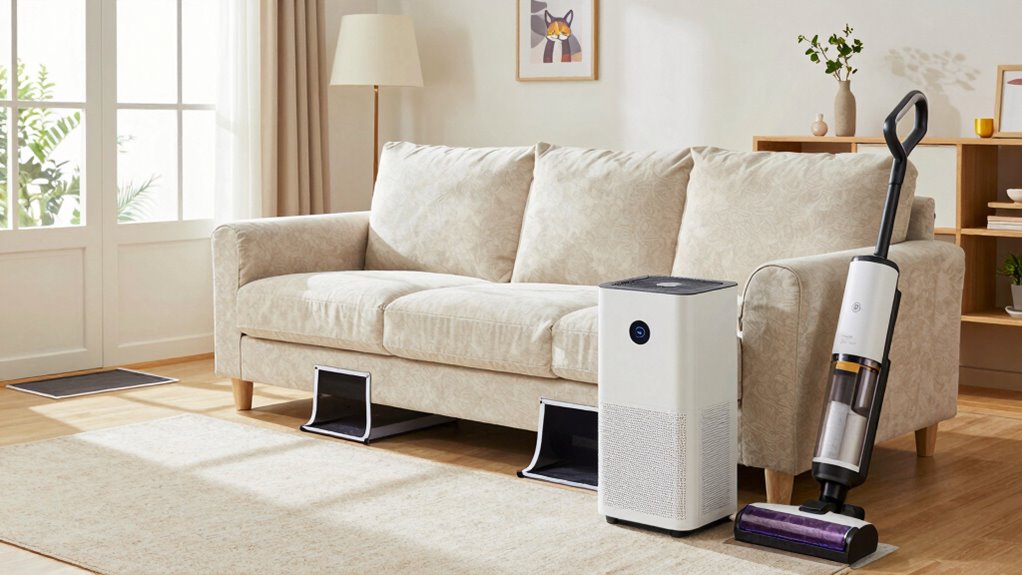
Keeping your pets and pests in check is key to reducing allergens in your home. Regular grooming and cleaning help minimize pet dander, while sealing entry points prevents pests from bringing in additional allergens. Taking these steps creates a healthier environment for everyone.
Pet Grooming and Cleaning
Pet grooming and cleaning are essential steps to reduce allergens caused by pets and pests in your home. Regular pet bathing helps remove dander and dirt that can trigger allergies. Use grooming tools like brushes and clippers to keep fur neat and minimize loose hair. Maintaining a clean environment also involves vacuuming carpets and washing bedding frequently to eliminate pet dander. Additionally, grooming your pets outdoors when possible reduces indoor allergens. Consider trimming your pet’s nails and cleaning their ears regularly to prevent dust and debris buildup. These small routines make a big difference in lowering allergen levels, creating a healthier home for allergy sufferers. Staying consistent with grooming and cleaning routines helps manage pet-related allergens effectively.
Seal Entry Points
Since pests and pets often enter your home through small gaps and cracks, sealing these entry points is essential for controlling allergens. Carefully inspect your walls, floors, and around doors and windows for gaps or holes. Use weatherstripping, caulk, or foam sealant to close off these openings. Pay special attention to areas where pipes, wires, or vents penetrate walls and floors. Sealing gaps prevents pests from sneaking inside and limits the entry of pet dander, dust mites, and other allergens. Regularly check and re-seal as needed, especially after home repairs or seasonal changes. By sealing entry points and gaps, you create a tighter barrier against allergens, making your home safer and more comfortable for allergy sufferers.
Control Humidity Levels to Prevent Mold and Dust Mites
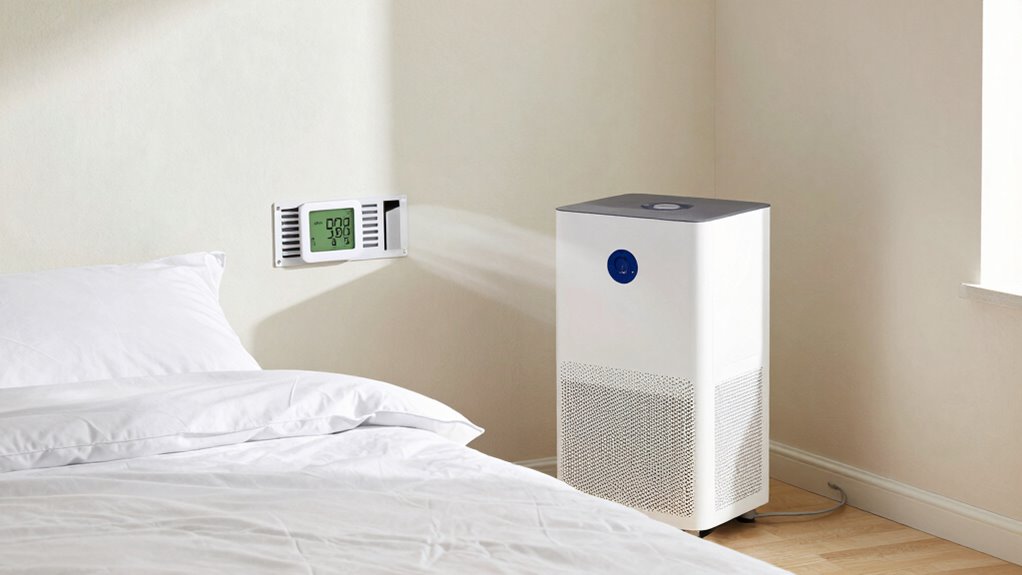
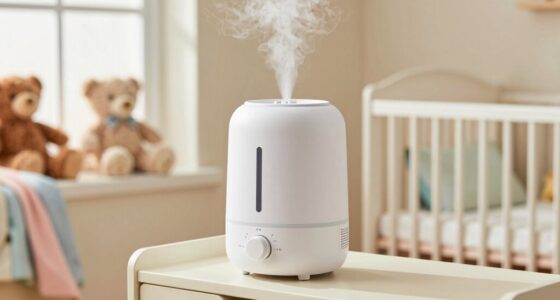
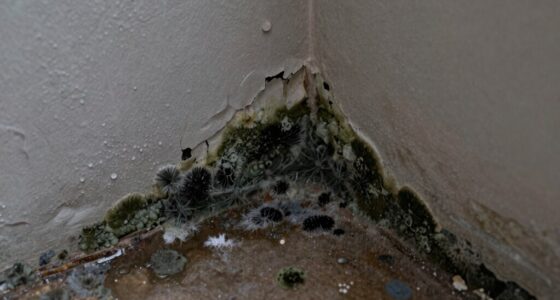
Controlling humidity levels is essential for preventing mold growth and reducing dust mites in your home. Keeping indoor humidity between 30-50% helps create an environment that discourages mold and dust mites from thriving. Use a hygrometer to monitor levels consistently. Consider these tips for effective humidity control:
- Use dehumidifiers in damp areas like basements and bathrooms
- Ventilate rooms well, especially during cooking or showering
- Fix leaks promptly to prevent moisture buildup
- Avoid overusing humidifiers, which can raise humidity too high
Maintaining proper humidity is a simple yet powerful mold prevention strategy. It not only limits mold growth but also reduces dust mite populations, helping you breathe easier and minimizing allergy symptoms. Small adjustments make a big difference in creating a healthier home environment.
Build Habits and Make Simple Fixes for Long-Term Allergy Relief
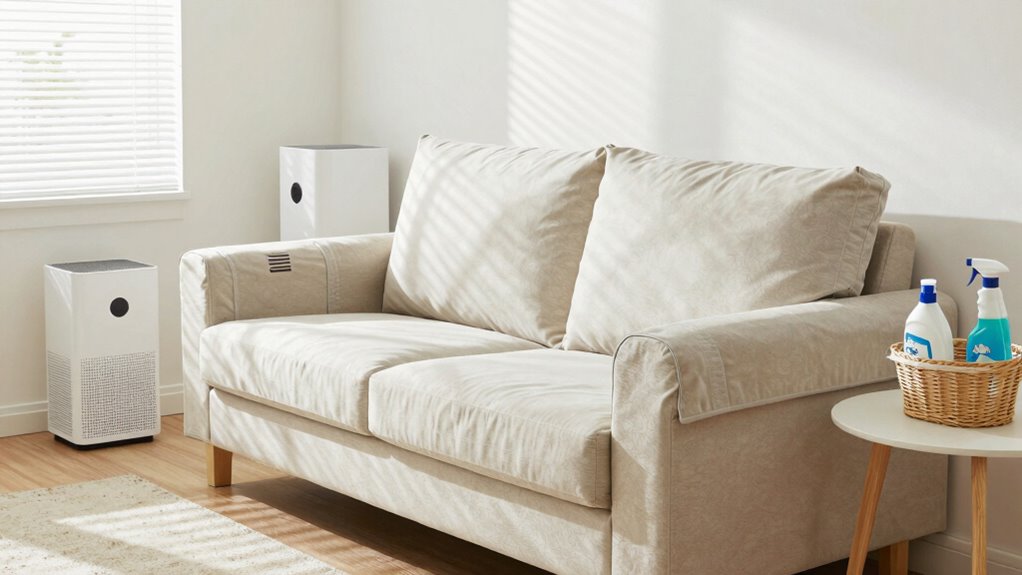
Maintaining ideal humidity levels is a great start, but establishing daily habits and making simple repairs can considerably enhance your allergy relief over time. Consistently cleaning surfaces and bedding reduces seasonal allergy triggers like pollen and mold. Develop routines such as washing bedding weekly or using air purifiers during high pollen seasons. Address minor repairs like sealing cracks or fixing leaks to prevent mold and pest entry. Incorporate food allergy management by keeping allergen-containing foods out of reach and cleaning kitchen surfaces regularly. Making these small, habitual fixes creates a healthier environment and minimizes triggers long-term.
| Habit or Fix | Purpose | Recommended Action |
|---|---|---|
| Daily dusting and vacuuming | Reduce dust mites and pollen | Use HEPA filters |
| Regularly washing bedding | Minimize seasonal allergy triggers | Weekly in hot water |
| Sealing leaks and cracks | Prevent mold and pests | Inspect quarterly |
| Safe food handling practices | Manage food allergies | Clean surfaces after cooking |
Frequently Asked Questions
How Do I Identify Specific Indoor Allergens Affecting Me?
To identify specific indoor allergens affecting you, start with allergen testing, which can pinpoint your triggers precisely. Keep symptom tracking to notice patterns and see how your symptoms change with different environments or activities. Pay attention to common allergens like dust mites, pet dander, mold, or pollen. Combining allergen testing with diligent symptom tracking helps you understand your sensitivities, so you can take targeted steps to reduce exposure.
What Are the Best Cleaning Products for Allergy-Proofing My Home?
You should choose allergen-friendly cleaning products like those with natural cleaning solutions, avoiding harsh chemicals. Regular vacuum cleaner maintenance is essential—use a vacuum with a HEPA filter and change bags or filters frequently to trap allergens effectively. Combine this with natural cleaning solutions like vinegar and baking soda to thoroughly clean surfaces, reducing dust mites, pet dander, and mold, and creating a healthier, allergy-proof home environment.
Which Air Purifier Features Are Most Effective for Allergy Relief?
Look for an air purifier with HEPA filters, high airflow, and adjustable air exchange settings. These features work together to trap allergens, improve air quality, and promote better breathing. HEPA filters capture tiny particles, while enhanced air exchange guarantees fresh airflow and reduces indoor pollutants. You’ll breathe easier and reduce allergy symptoms when your device combines these features, creating a cleaner, healthier environment for you to enjoy daily.
How Often Should I Replace Bedding and Fabrics to Reduce Allergens?
You should replace bedding and fabrics at least every 6 to 12 months to reduce dust mites and allergens effectively. Regular fabric replacement minimizes dust mite buildup, which can trigger allergies. Wash bedding weekly in hot water, and opt for allergen-proof covers. By staying consistent with fabric replacement and cleaning, you create a less allergenic environment, helping you breathe easier and improving your overall allergy relief.
What Are Simple DIY Fixes to Minimize Mold Growth Indoors?
You might think DIY mold prevention is complex, but simple moisture control techniques work wonders. Fix leaks promptly, use exhaust fans in bathrooms and kitchens, and keep humidity levels below 50%. Regularly clean and dry damp areas, and consider installing a dehumidifier. These moisture control techniques help prevent mold growth naturally, making your home healthier and reducing allergy triggers without costly repairs or harsh chemicals.
Conclusion
By making small changes, like switching to allergen-resistant bedding, you can dramatically reduce allergy symptoms. Imagine Sarah, who struggled with constant sneezing until she sealed her home’s leaks and installed an air purifier; her allergies improved within weeks. These simple fixes add up over time, creating a healthier living space. Start today—identify your triggers, keep your home clean, and embrace these easy steps for lasting allergy relief. Your lungs will thank you!