To guarantee safe and effective home workouts or gym sessions, focus on good indoor air quality by increasing ventilation with fresh air, using exhaust fans or air purifiers, and choosing low-emission cleaning and workout products. Avoid indoor pollutants from cleaning chemicals, paints, and equipment, and keep your space clean to reduce dust and mold. Maintaining ideal air quality boosts your comfort, respiratory health, and exercise performance—discover more ways to improve your workout environment below.
Key Takeaways
- Ensure proper ventilation by opening windows or using exhaust fans to introduce fresh air and remove stale indoor pollutants.
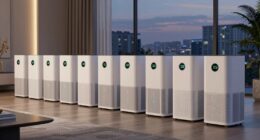
- Use HEPA air purifiers and regularly replace filters to reduce airborne allergens, dust, and VOCs during workouts.
- Minimize indoor pollutant sources like cleaning chemicals, aerosols, and building materials emitting formaldehyde.
- Maintain cleanliness by regularly cleaning gym equipment, mats, and surfaces to prevent mold, dust, and bacteria buildup.
- Consider outdoor air quality before ventilating; avoid bringing in polluted outdoor air that can compromise indoor air safety.

Have you ever wondered how the air you breathe during home workouts affects your health and performance? The quality of indoor air can profoundly influence your energy levels, recovery, and overall safety. To optimize your workout environment, it’s crucial to understand ventilation strategies and indoor pollutant sources. These elements determine how clean and fresh the air remains while you exercise, impacting your ability to perform at your best and stay healthy.
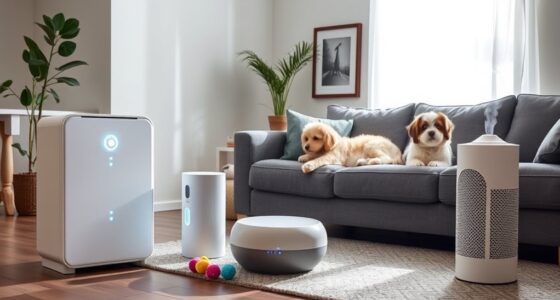
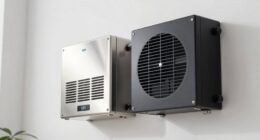
Ventilation strategies are your first line of defense. Proper ventilation means introducing fresh air and removing stale, contaminated air from your workout space. This can be achieved through natural methods, like opening windows and doors when weather permits, or by using mechanical systems such as exhaust fans, air purifiers, or HVAC systems with good filtration. The goal is to ensure a steady exchange of indoor and outdoor air, reducing the buildup of indoor pollutants. If you rely solely on natural ventilation, remember that outdoor air quality also matters—polluted air from traffic or industrial sources can seep inside, negating the benefits. Mechanical ventilation allows you to control airflow more precisely, especially in enclosed spaces or during extreme weather. Incorporating air purifiers with HEPA filters can further help by capturing airborne particles, allergens, and some volatile organic compounds (VOCs). Regularly maintaining and replacing filters guarantees your ventilation strategies remain effective and keep indoor air fresh. Additionally, understanding divergent ventilation techniques can help tailor your approach based on your specific space and needs.
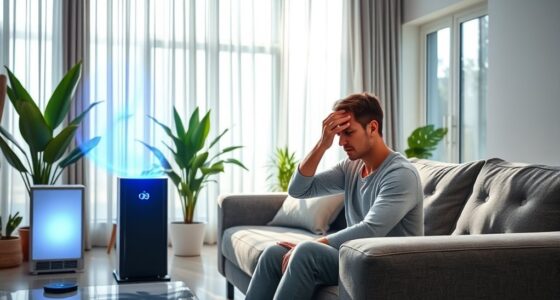
Indoor pollutant sources are the primary culprits behind poor air quality during workouts. Common sources include household cleaning products, air fresheners, and aerosols, which release VOCs that can irritate your respiratory system. Building materials like paints, carpets, and furniture may also emit formaldehyde and other chemicals over time. Even certain gym equipment or workout mats can harbor dust, mold, or bacteria if not cleaned regularly. Additionally, indoor activities like cooking or smoking introduce pollutants that linger in the air. Recognizing these sources allows you to minimize their impact. For example, use low-VOC cleaning products, keep your workout area well-ventilated during and after cleaning, and avoid indoor smoking. Choosing non-toxic materials for exercise equipment and maintaining cleanliness reduces dust and mold buildup, further improving air quality.
Frequently Asked Questions
How Often Should I Change Air Filters During Home Workouts?
You should change your air filter every 1 to 3 months to maintain good air filter maintenance. During periods of intense exercise or if your exercise environment is crowded, consider replacing filters more frequently. Regularly check your filter’s condition to guarantee ideal air quality, especially since a clean filter helps remove airborne pollutants and allergens. Proper air filter maintenance keeps your workout space safe and fresh for your routines.
Can Indoor Plants Improve Air Quality in My Gym Space?
Indoor plants can definitely improve your gym space’s air quality, offering plant benefits like natural air purification and increased humidity. They absorb carbon dioxide and release oxygen, helping to remove toxins and pollutants. By choosing plants known for their air-purifying properties, like snake plants or pothos, you create a healthier environment. Not only do they enhance air quality, but they also add a calming, natural aesthetic to your workout area.
What Are Safe VOC Levels for Indoor Workout Environments?
You should aim to keep VOC concentration below 500 parts per billion (ppb) for indoor air safety during workouts. Higher VOC levels can cause headaches, dizziness, or respiratory issues, hampering your exercise. To guarantee safety, ventilate your space well, use low-VOC products, and monitor indoor air quality regularly. Maintaining safe VOC levels helps you breathe easily and stay healthy while working out.
How Does Humidity Affect Air Quality During Exercise?
Humidity levels considerably impact air quality during exercise, influencing sweat evaporation, breathing ease, and comfort. When humidity is too high, sweat doesn’t evaporate effectively, making you feel sticky and sluggish, and increasing the risk of mold growth. Conversely, low humidity can dry out nasal passages, reducing airflow and causing irritation. Maintaining balanced humidity levels ensures proper sweat evaporation, improves breathability, and creates a healthier, more comfortable workout environment.
Are There Specific Air Purifiers Recommended for Workout Areas?
Yes, you should consider HEPA filter purifiers for your workout area because of their effectiveness in capturing airborne particles like dust and allergens. Ionic purifiers also offer benefits by reducing odors and airborne microbes. Look for models combining HEPA filters with ionic technology to maximize air quality. This way, you create a cleaner, healthier environment, helping you breathe easier and get the most out of your exercise sessions.
Conclusion
Prioritizing air quality during your workouts can boost your performance and overall health. Some might think opening windows isn’t enough, but combining proper ventilation with air purifiers greatly reduces pollutants. Even if you have a small space, taking these steps guarantees cleaner air, helping you breathe easier and stay energized. Don’t let concerns about space or cost hold you back—investing in good air quality is an essential, worthwhile step toward safer, more effective workouts at home.