Air duct booster fans help improve airflow and comfort when your duct system faces resistance or uneven temperature distribution, especially if the layout is long or poorly sealed. However, using them unnecessarily can lead to higher energy bills, noise, and system strain. To decide if they’re right for you, consider your home’s airflow issues and system performance. If you’re interested in optimizing your comfort and efficiency, explore the details below.

Get home appliances delivered free with Prime
- Fast, free delivery on millions of items
- Prime Video, Amazon Music and more included
- Member-only deals all year
Key Takeaways
- Booster fans improve airflow in poorly designed or long duct systems with high resistance, enhancing comfort and efficiency.
- They are effective when uneven temperature distribution or airflow issues are evident, especially in specific rooms.
- Booster fans can cause increased energy use, noise, and system strain if installed unnecessarily or in well-balanced ductwork.
- Proper placement—after long duct runs and away from sharp bends—is crucial to maximize benefits and reduce noise.
- Regular maintenance and proper duct design can often eliminate the need for booster fans, saving energy and reducing risks.
Products Worth Considering

Levoit Vital 200S-P Smart Air Purifier for Large Rooms

Levoit Core 600S-P Smart Air Purifier for Large Rooms

Bose TV Speaker (2nd Gen) Compact Soundbar with Bluetooth and HDMI Connectivity
As an affiliate, we earn on qualifying purchases.
What Are Air Duct Booster Fans and How Do They Work?

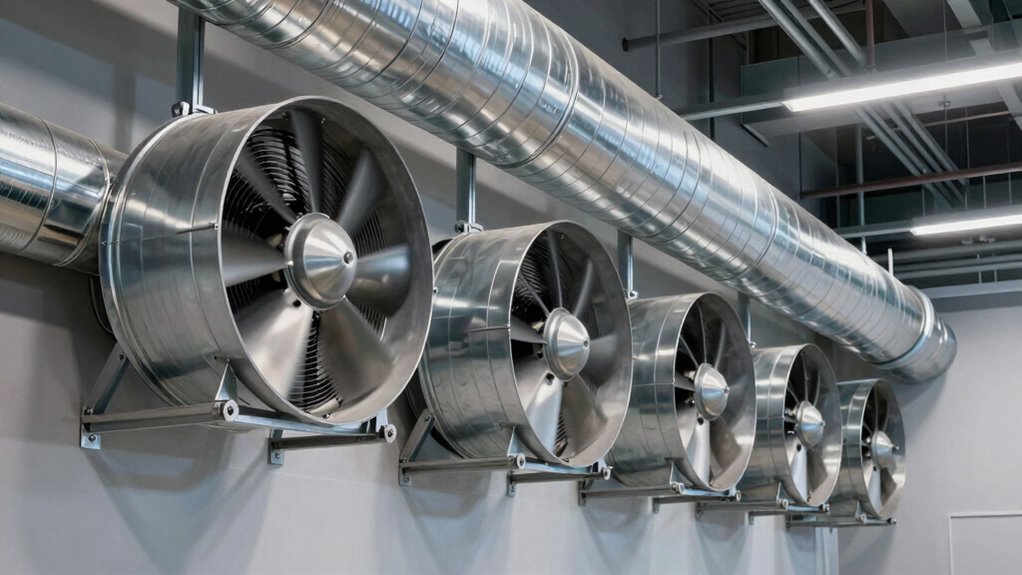
Have you ever wondered how to improve airflow in your home’s duct system? Air duct booster fans are devices designed to do just that. They help increase airflow, ensuring warm or cool air reaches all parts of your home more effectively. By boosting airflow, these fans can enhance your indoor air quality by reducing stagnant air and minimizing dust buildup. They also improve energy efficiency because your HVAC system doesn’t have to work as hard to maintain comfortable temperatures, saving you money on energy bills. Booster fans are installed within your ductwork and activated when increased airflow is needed. When used correctly, they can optimize your heating and cooling performance, making your home more comfortable and energy-efficient. Proper installation is essential to ensure these fans operate safely and effectively. Additionally, choosing the right airflow management solutions can further improve overall indoor air quality and energy savings. Ensuring system pressure is properly calibrated is also important to prevent issues like noise or reduced system lifespan.
How Do I Know If My HVAC Needs a Booster Fan?
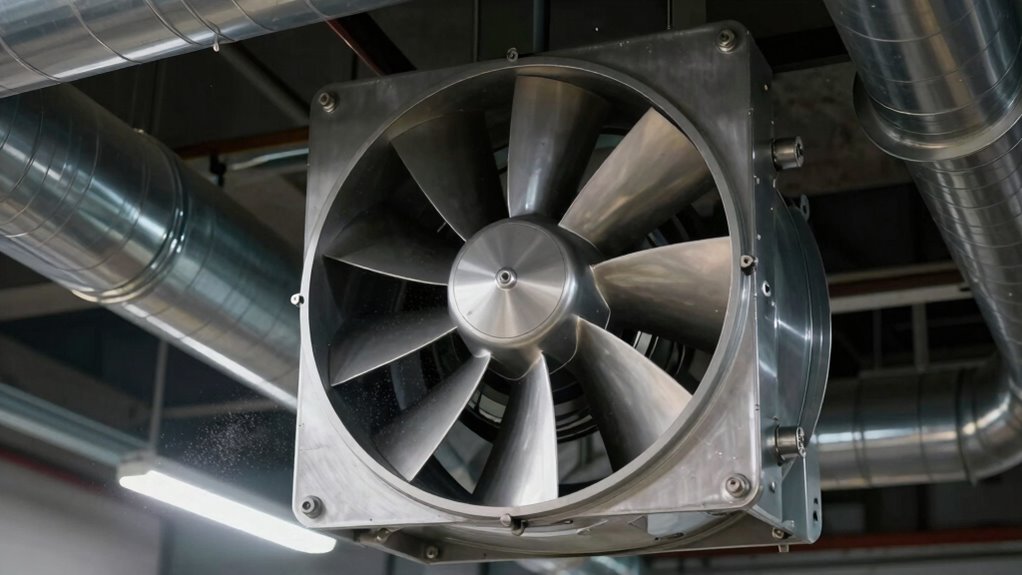
If you notice uneven airflow or persistent hot or cold spots in your home, your HVAC may need a booster fan. These issues often signal insufficient heating or cooling in certain areas, making it hard to stay comfortable. Recognizing these signs can help you decide if a booster fan could improve your system’s performance. Additionally, understanding safety tips and proper installation procedures can ensure you use booster fans effectively and safely. Considering HVAC efficiency can also guide you in making the best choice for your home climate control needs. For example, evaluating the horsepower of electric dirt bikes can help in understanding how power output impacts performance, similar to how booster fans enhance airflow in your HVAC system. Being aware of consumer rights and warranties when purchasing equipment can further support making informed decisions about upgrades. Moreover, consulting a professional installer can help you determine the correct installation practices to maximize safety and effectiveness.
Uneven Airflow Distribution
Uneven airflow distribution often signals that your HVAC system isn’t delivering consistent comfort throughout your space. You might notice some rooms feel stuffy or overly dry, while others are damp or too cold. This imbalance can affect indoor humidity levels, making certain areas uncomfortable or promoting mold growth. Additionally, inconsistent airflow can lead to increased noise levels in some parts of your home, as the system struggles to push air evenly. If you find yourself adjusting thermostats frequently or experiencing drafts in specific rooms, it’s a sign your ductwork may need a boost. Installing a booster fan can help even out airflow, improve indoor humidity control, and reduce noise disruptions, ensuring a more comfortable and balanced environment throughout your home. Proper airflow management is essential for maintaining indoor air quality and system efficiency.
Persistent Hot or Cold Spots
Persistent hot or cold spots in your home are clear signs that your HVAC system isn’t distributing air properly. These uneven temperatures indicate poor ventilation efficiency, which can leave some rooms uncomfortable while others feel perfect. If you notice consistent temperature differences despite adjusting thermostats, it might be time to contemplate a booster fan. These fans can help improve airflow and balance temperatures across your space. However, they can also increase noise levels, so it’s crucial to weigh whether the benefits outweigh potential disruptions. If your home experiences persistent temperature inconsistencies, a booster fan could enhance airflow and comfort. But if noise becomes a concern or airflow issues are minor, other solutions might be more suitable. Considering the importance of proper ventilation and airflow in maintaining a comfortable home environment can help determine whether a booster fan is the right choice.
Signs of Insufficient Heating or Cooling
Sometimes, your HVAC system just isn’t providing enough heating or cooling to keep your home comfortable. You might notice uneven temperatures, with certain rooms feeling too cold or too hot despite your thermostat settings. High energy bills can also be a sign that your system is working harder than it should, indicating poor energy efficiency. Additionally, if you hear excessive noise levels from your vents or ductwork, it could be a sign that airflow isn’t adequate. Insufficient heating or cooling often points to airflow issues that booster fans can help resolve. Proper airflow management is essential for maintaining overall system performance and comfort. Proper airflow management can also involve selecting the right storage and backup solutions to optimize your HVAC system’s efficiency. Regular system maintenance can prevent many airflow problems before they become serious. When airflow issues persist, consulting a professional HVAC technician can ensure proper diagnosis and solutions. Implementing airflow optimization techniques can further enhance your system’s performance and longevity. If these signs persist, installing a booster fan might improve air circulation, boost energy efficiency, and reduce noise levels, helping your HVAC system perform ideally.
When Do Booster Fans Actually Improve Airflow and Comfort?

Booster fans work best when your duct system is properly designed and the fan is correctly placed. If your ducts are too long or poorly sealed, even a strong booster fan can’t improve airflow effectively. Ensuring proper duct layout and strategic fan placement is key to boosting comfort and efficiency. Additionally, understanding airflow dynamics can help determine the most effective setup for your system. Knowing how airflow resistance impacts performance can guide you in optimizing your duct design for better results.
Proper Duct Design
Proper duct design plays a crucial role in ensuring that booster fans effectively enhance airflow and comfort. When your ducts are well-planned, they promote better airflow balance, preventing areas from becoming too hot or cold. A properly designed system minimizes obstructions, sharp bends, and narrow sections that can restrict airflow. This allows booster fans to work efficiently, boosting airflow where needed without overworking the system. If your ductwork is poorly designed, even the best booster fan won’t substantially improve comfort or airflow. Instead, it may cause noise, energy waste, or uneven air distribution. Ensuring your ducts are correctly sized and shaped is essential for maximizing the benefits of booster fans and maintaining an evenly comfortable environment. Additionally, proper duct design helps prevent issues like pressure loss and airflow imbalance, allowing the booster fans to operate at optimal efficiency.
Correct Fan Placement
Correct fan placement is essential for booster fans to effectively improve airflow and comfort. Proper placement ensures the booster fan works within the duct system’s limits and minimizes issues like noise or reduced efficiency. Consider these factors:
- Position the fan after long duct runs to boost airflow where pressure drops.
- Ensure the duct size matches the fan’s capacity to avoid noise and turbulence.
- Avoid placing fans too close to bends, as this can cause vibration and noise.
- Install the booster fan where it won’t cause excessive fan noise or disrupt airflow balance.
- Understanding the airflow dynamics helps optimize fan placement for maximum efficiency. Additionally, selecting the right performance parts can further enhance overall system efficiency.
When placed correctly, booster fans enhance airflow to improve comfort. Incorrect placement can lead to increased fan noise, inefficient operation, and little airflow benefit.
What Are the Risks of Using Booster Fans Unnecessarily?

Using booster fans unnecessarily can lead to several issues that might compromise your HVAC system’s efficiency and longevity. When overusing them, you risk increased energy consumption, which raises your utility bills and reduces overall energy efficiency. Noise concerns also come into play, as unnecessary fans can produce disruptive sounds that disturb your home environment. Additionally, excessive use can strain your ductwork and blower motor, causing premature wear or failure. Here’s a quick comparison:
| Effect | Cause | Impact |
|---|---|---|
| Increased energy use | Unneeded booster fans | Higher bills |
| Noise pollution | Overactive fans | Disrupts comfort |
| Mechanical wear | Continuous operation | Reduced system lifespan |
| Air imbalance | Improper fan placement | Inefficient airflow |
| Higher maintenance costs | Overuse and strain on components | Frequent repairs |
Furthermore, improper use of booster fans can lead to airflow imbalances, which decrease overall system efficiency and potentially cause discomfort in your living space.
How to Decide if a Booster Fan Is Right for Your Home?

Deciding whether a booster fan is right for your home depends on evaluating your current airflow and comfort needs. Consider these points:
Assess your airflow and comfort needs to determine if a booster fan is suitable for your home.
- Are rooms consistently cold or hot, indicating poor airflow?
- Do you notice high energy bills, suggesting inefficient heating or cooling?
- Are booster fans noisy, impacting your comfort or sleep?
- Is your current system struggling to maintain even temperatures?
If airflow is uneven, and you want to improve comfort without excessive energy use, a booster fan might help. However, if noise levels are a concern or energy efficiency is a priority, weighing these factors carefully is essential. Booster fans can be effective, but only if your home’s needs align with their capabilities. Always assess your specific situation before installation.
Alternatives to Booster Fans for Better Air Distribution?

Are there better ways to improve air distribution in your home without installing booster fans? Yes, focusing on your duct system’s design can make a big difference. Ensuring ducts are properly sealed and insulated prevents air leaks, enhancing overall air quality. Adjusting or upgrading your HVAC vents allows for more balanced airflow, reducing uneven temperature and airflow issues. Regularly cleaning and maintaining your ducts helps improve air quality and keeps noise levels down. Installing dampers can help direct airflow more effectively, eliminating the need for booster fans. Additionally, upgrading your HVAC system or adding zoning controls offers more precise temperature and airflow management. These solutions often provide quieter operation and better air quality, making them excellent alternatives to booster fans.
Troubleshooting Common Problems With Air Duct Booster Fans?
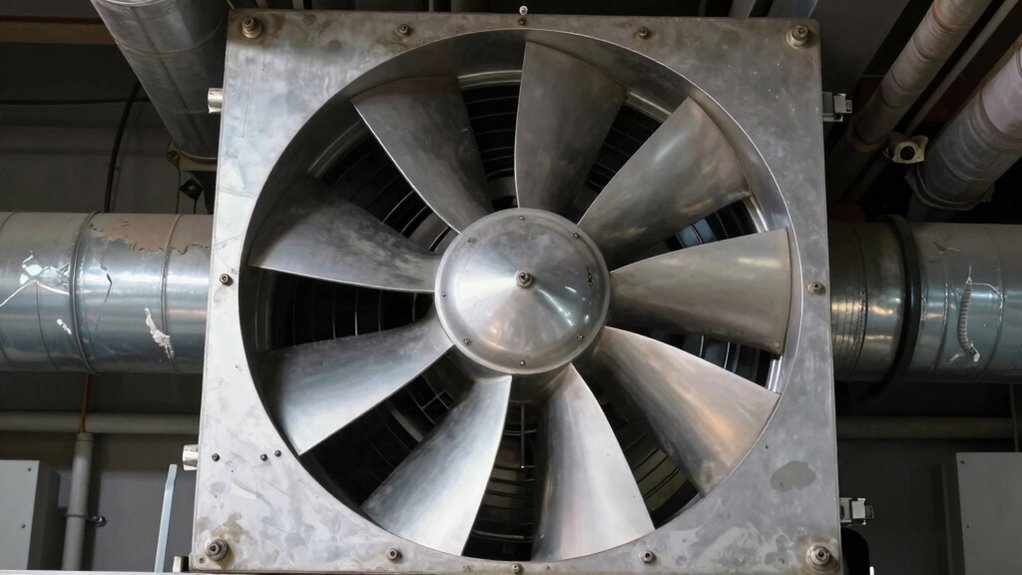
When your air duct booster fan isn’t working properly, troubleshooting can help identify the root cause and save you money on repairs. Start by checking the air filter maintenance; a clogged filter reduces airflow and strains the fan. Next, inspect duct insulation; damaged or poorly installed insulation can cause temperature loss and inefficient fan operation. Then, verify that the fan’s power supply is intact—look for blown fuses or loose wiring. Finally, listen for unusual noises or vibrations, which may signal debris or worn components. Regularly cleaning the fan blades and ensuring proper duct insulation can prevent many issues. By systematically addressing these points, you can keep your booster fan running smoothly and guarantee ideal airflow in your system.
Frequently Asked Questions
How Much Do Air Duct Booster Fans Typically Cost to Install?
You can expect to pay between $300 and $1,200 for installing an air duct booster fan. The cost comparison depends on the fan’s size and power, while the installation complexity varies based on your duct system. If you’re comfortable with basic DIY, you might save money, but professional installation guarantees proper setup. Always consider these factors to determine the best option for your home’s airflow needs.
Can Booster Fans Be Used in Commercial HVAC Systems?
Yes, booster fans can be your secret weapon in commercial applications, but only if they’re compatible with your system. Think of them as the turbocharger for your HVAC—boosting airflow when needed. Before installing, confirm your system can handle the extra load and that the fans are suited for commercial use. When properly matched, they help maintain even temperatures and improve efficiency across large spaces.
Are There Energy Efficiency Concerns With Booster Fans?
Yes, booster fans can raise energy consumption, which might increase your operational costs and environmental impact. When used unnecessarily or inefficiently, they waste power and contribute to higher energy usage. To improve energy efficiency, make sure you only run booster fans when needed, maintain them properly, and consider energy-efficient models. This approach helps reduce your environmental impact and keeps your system running sustainably.
How Long Do Booster Fans Usually Last Before Needing Replacement?
Typically, booster fans last around 10 to 15 years, depending on usage and maintenance. You should monitor their fan lifespan and look for signs of wear, like unusual noise or decreased airflow, which indicate it’s time for replacement. Regular upkeep can extend their life, but plan for a replacement timeline around this range to ensure your system stays efficient and reliable. Proper maintenance helps maximize your booster fan’s longevity.
Do Booster Fans Increase Noise Levels in My Home?
Booster fans can increase noise levels in your home, impacting sound levels, especially if they’re older or poorly maintained. You might notice more background noise or vibrations, which could be disruptive. However, modern models often feature quieter operation and sound-dampening technology. To minimize noise impact, choose high-quality, sound-insulated fans and ensure they’re installed correctly. Regular maintenance can also help keep sound levels in check.
Conclusion
Imagine walking into a room where the air feels perfectly balanced, each corner cool and comfortable. Now, picture a booster fan quietly working behind the scenes, restoring that harmony. But beware—using one unnecessarily could disrupt your system or worsen airflow. Before you decide, consider the signs, explore your options, and weigh the risks. The right choice could transform your home’s comfort, or it might lead you down a path you didn’t expect. Are you ready to find out?