
TL;DR

Get home appliances delivered free with Prime
- Fast, free delivery on millions of items
- Prime Video, Amazon Music and more included
- Member-only deals all year
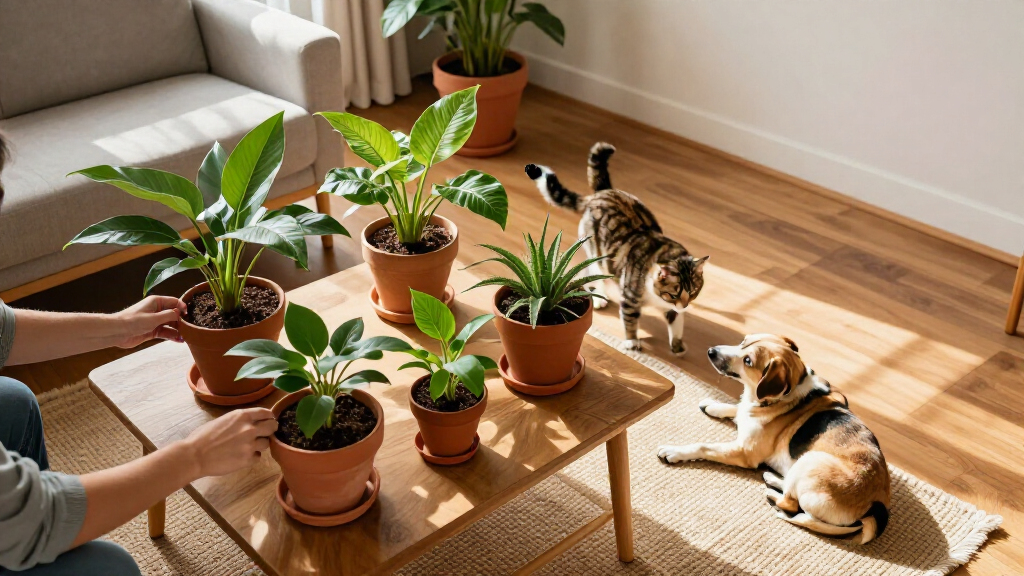
Ideal Home has highlighted six popular houseplants it describes as suitable for homes with cats and dogs: spider plant, Kentia palm, calathea, Chinese money plant, Boston fern and polka dot plant. The report cautions that “pet-friendly” does not mean pet-proof: eating a large amount of any plant may cause stomach upset or irritation.
Ideal Home has named six houseplants it describes as suitable for homes with cats and dogs, including spider plants, Kentia palms and calatheas. The lifestyle report says these choices let pet owners add indoor greenery, but cautions that no plant is entirely pet-proof and eating a large amount can still upset an animal’s stomach.
The six plants in the report are the spider plant, Kentia palm, calathea, Chinese money plant, Boston fern and polka dot plant. Ideal Home attributes its pet-safety guidance to plant specialists Jo Lambell, founder of Beards & Daisies, and Nick Wood, a plant expert at GardeningExpress.co.uk. The article does not provide links to veterinary studies or identify a particular animal poison-control source.
The plants are described as offering different growing conditions and appearances. Lambell recommends spider plants as easy to care for and says cats may chew them. She describes Kentia palms as suitable for lower-light areas and Boston ferns as a choice for humid rooms such as bathrooms. Wood says calatheas suit rooms with northeast- or west-facing light, while Chinese money plants prefer bright, indirect light and soil that dries slightly between waterings. Polka dot plants need bright, indirect light and lightly moist soil, according to Wood.
The report’s core qualification is that a plant’s classification as pet-friendly does not make it safe to eat in unlimited quantities. Lambell says even plants considered safe can cause stomach upset if a pet eats a lot. The article advises owners to watch animals that repeatedly chew plants; it does not give a veterinary response plan for suspected poisoning or symptoms.
Safer Greenery for Pet Homes
Houseplants can be difficult to choose for homes where pets may nibble leaves or dig in pots. A list of plants described as non-toxic or pet-friendly gives owners a starting point for comparing options, while the warning about overconsumption helps prevent the label from being mistaken for a guarantee that chewing is harmless.
The six suggestions also vary in size, light and moisture needs, so the report is not a one-size-fits-all planting plan. Owners still need to match a plant to the room and keep track of how their animals interact with it. Hanging planters or barriers may reduce access, but they do not establish that a plant is safe if a pet manages to reach it.
pet-safe houseplants for cats and dogs
As an affiliate, we earn on qualifying purchases.
As an affiliate, we earn on qualifying purchases.
How the Six Plants Differ
The list combines familiar foliage plants with options chosen for particular settings. Spider plants and Chinese money plants are presented as relatively straightforward choices, while the Kentia palm offers a larger, architectural look and is said to tolerate lower light. Calatheas and polka dot plants are included for their patterned leaves.
Ideal Home also connects Boston ferns with humid spaces, including bathrooms. Its article mentions claims that Boston ferns can help reduce condensation and damp, but gives no supporting evidence for that claim; it should not be treated as a substitute for addressing moisture problems in a home. The report includes retailer listings, but prices and stock can change and are not necessary to the plant-safety guidance.
““Even pet-safe plants can upset a tummy if they’re eaten in bulk, so it’s worth keeping an eye on any serial chewers.””
— Jo Lambell, founder of Beards & Daisies, as quoted by Ideal Home
As an affiliate, we earn on qualifying purchases.
Limits of the Safety Advice
The source calls the six plants safe or pet-friendly, but it does not specify the evidence or testing behind those classifications. It also does not distinguish between cats and dogs for every plant, describe the effects of eating particular species, or state what amount could cause symptoms. Individual reactions and the amount eaten remain important unknowns, and the article’s general warning is not a diagnosis or treatment guide.
The report also does not establish that any plant is harmless to every animal in every circumstance. If a pet has eaten a plant and seems unwell, readers should contact a veterinarian rather than rely on a general houseplant list.
As an affiliate, we earn on qualifying purchases.
Check Before Bringing Plants Home
Owners considering one of these plants can confirm its identity with the seller and check current pet-safety advice with a veterinarian or a reputable animal poison-control resource. They can also observe whether their pet chews leaves, keep plants out of reach where practical, and avoid leaving fallen leaves or trimmings accessible.
Ideal Home’s report does not announce further testing, a new safety standard or a follow-up date. Its practical next step for readers is to choose plants based on both the room’s growing conditions and the pet’s behaviour, while treating “pet-friendly” as a starting point rather than permission to let an animal eat the plant.
As an affiliate, we earn on qualifying purchases.
Key Questions
Which six houseplants does the report recommend?
Ideal Home lists the spider plant, Kentia palm, calathea, Chinese money plant, Boston fern and polka dot plant as pet-friendly choices.
Does pet-friendly mean a plant is safe for pets to eat?
No. The report says eating a large amount can still cause stomach upset, even with plants described as pet-safe. It advises watching pets that repeatedly chew plants.
Which plants may suit lower-light or humid rooms?
Jo Lambell says the Kentia palm copes with lower light. She describes the Boston fern as suited to humid rooms such as bathrooms. Actual results depend on the room’s conditions and care.
What should I do if my pet eats a houseplant?
The report does not provide treatment instructions. If your pet has eaten a plant and appears unwell, contact a veterinarian and provide the plant’s identity if you know it.
Source: rss
Fall yard work Picks
leaf blowers
As an affiliate, we earn on qualifying purchases.