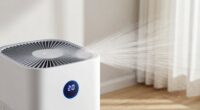
Controlling VOCs during paint drying isn’t as simple as cracking a window because VOC emissions depend on paint type, thickness, and environmental conditions. Ventilation alone often won’t fully remove lingering gases or prevent buildup, especially in poorly ventilated spaces. Using low-VOC paints, maintaining proper humidity, and employing activated carbon air purifiers can make a difference. To truly manage emissions, you need a combination of strategies—if you want to know how to do it right, keep exploring.

Get home appliances delivered free with Prime
- Fast, free delivery on millions of items
- Prime Video, Amazon Music and more included
- Member-only deals all year
Key Takeaways
- VOC emissions depend on paint type, thickness, and environmental conditions, making simple window cracking insufficient to eliminate them.
- Proper drying conditions, including temperature and humidity control, are essential to minimize VOC release effectively.
- Ventilation alone often fails to fully clear VOCs due to their chemical properties and indoor accumulation.
- Using low-VOC paints and air purifiers with activated carbon can significantly reduce indoor VOC levels during drying.
- Continuous monitoring and comprehensive strategies are necessary, as VOCs can linger and build up even with windows open.
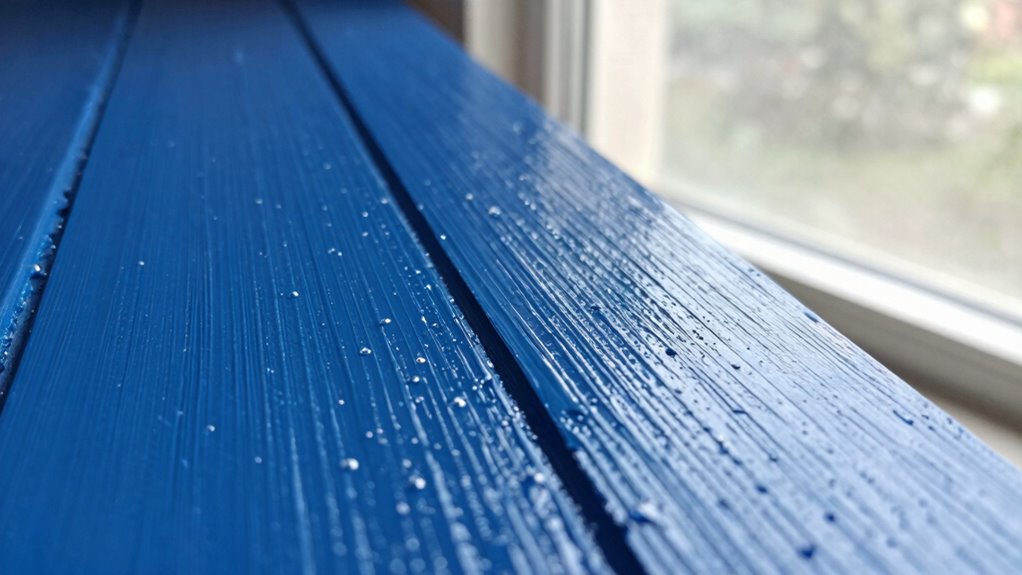
When you paint a surface, drying isn’t just about appearance—it also involves releasing volatile organic compounds (VOCs) into the air. These emissions can affect air quality long after the paint has dried. Even if you think cracking a window will solve the problem, it’s not always that simple. VOC emissions can linger, especially indoors, where ventilation might not be enough to fully remove these airborne chemicals. Ventilation helps, but it’s often inadequate to dramatically reduce VOC levels in the time it takes for paint to dry completely.
Drying paint releases VOCs that can linger indoors, requiring proactive ventilation and proper drying conditions for safer air quality.
The challenge lies in controlling these emissions during the drying process. When paint dries, solvents evaporate, releasing VOCs into the surrounding air. If you don’t manage this carefully, the air quality in your space can decline considerably. Poor air quality isn’t just uncomfortable—it can also pose health risks, especially for sensitive individuals, children, or those with respiratory issues. That’s why just cracking a window isn’t always enough; it might lower VOC concentrations temporarily but doesn’t eliminate them. The chemicals can still build up indoors, especially if you’re painting in a poorly ventilated room or if the weather doesn’t cooperate.
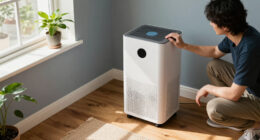
Minimizing VOC emissions requires more than simple ventilation. Using low-VOC or zero-VOC paints is a good start, but even these products release some compounds during drying. Proper drying conditions—like maintaining moderate temperatures and humidity—are vital for reducing VOC release. Using air purifiers with activated carbon filters can also help capture VOCs as they evaporate, improving air quality during and after the painting process. Additionally, drying times vary depending on paint type, thickness, and environmental conditions, which means you have to be patient and proactive in managing VOC emissions over time. Understanding the emission process of VOCs and how they are released during paint drying is crucial for effective management. Implementing proper ventilation techniques can further assist in controlling these emissions more effectively.
Furthermore, indoor air quality can be compromised for extended periods if VOCs are not properly controlled. It’s essential to monitor the environment and consider using additional air quality monitoring devices to better understand the VOC levels during the drying process. Properly managing VOC emissions also involves choosing appropriate painting times, such as during favorable weather conditions or in well-ventilated spaces, to minimize indoor chemical buildup. Ultimately, controlling VOC emissions isn’t just about quick fixes like cracking a window; it’s about understanding how paint releases these chemicals and taking detailed steps to limit their impact. That way, you promote better air quality and safer indoor environments, both during and after the painting project.
As an affiliate, we earn on qualifying purchases.
Frequently Asked Questions
How Long Do VOCS Typically Off-Gas After Painting?
VOC emission from painted surfaces can last anywhere from a few days to several weeks, depending on the paint formulation and environmental conditions. You should ventilate well during and after painting to help reduce off-gassing. Low-VOC and zero-VOC paints emit fewer chemicals, but even these can off-gas for some time. Typically, the strongest emissions occur within the first 48-72 hours, so patience and proper ventilation are key.
Are There Safer Alternative Paints With Low or No VOCS?
You can choose safer alternatives like eco-friendly formulations, low-VOC, or no-VOC paints, which reduce harmful emissions during and after painting. Chemical-free options are also available, often made from natural ingredients, providing a healthier environment. These options offer a cleaner, safer way to paint without trapping VOCs, helping you avoid the health risks associated with traditional paints. Always check labels to confirm you’re selecting the most environmentally friendly and low-emission products.
Can Humidity Levels Affect VOC Trapping During Drying?
Humidity levels substantially influence VOC retention during paint drying. High humidity delays evaporation, trapping VOCs longer in the paint film, which can increase fumes and drying time. Conversely, low humidity encourages faster VOC escape, reducing indoor air pollution. To minimize VOC trapping, aim for ideal humidity levels—around 40-50%. Proper ventilation and controlled humidity help guarantee safer, quicker drying, and less VOC buildup in your space.
What Are the Health Risks of Trapped VOCS?
Trapped VOCs in indoor air pose serious health risks, including respiratory issues, headaches, and eye irritation. You might also experience dizziness or allergic reactions due to chemical exposure. Prolonged exposure can increase the risk of more severe health problems, like liver or kidney damage. To protect yourself, guarantee proper ventilation during and after painting, and use low-VOC or VOC-free products whenever possible to minimize indoor air contamination.
How Can I Improve Ventilation Effectively During Drying?
Think of your space as a busy highway—good airflow keeps everything moving smoothly. To improve ventilation during paint drying, optimize airflow by using exhaust fans or open windows strategically. Incorporate ventilation equipment like air purifiers with activated carbon filters to trap VOCs effectively. Keep doors and windows open when possible, and use fans to direct airflow outside, ensuring fresh air replaces contaminated indoor air and speeds up VOC dispersal.
As an affiliate, we earn on qualifying purchases.
Conclusion
Just as Icarus soared too close to the sun, rushing to dry your paint can trap VOCs, risking more harm than good. Take a moment to let your space breathe naturally, allowing the paint to dry without sacrificing air quality. It’s a delicate balance—like balancing on the edge of the mythic world— but patience guarantees your home remains a safe haven. Remember, true progress often comes with a little restraint.
As an affiliate, we earn on qualifying purchases.
As an affiliate, we earn on qualifying purchases.
Halloween Picks
halloween
As an affiliate, we earn on qualifying purchases.