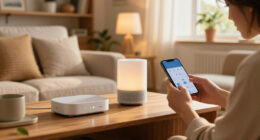
Building an entryway anti-pollen station is simpler than you might think. You just need a sturdy spot near your door, like a small table or bench, with a bristle mat for shoes and hooks for jackets. Add a shoe basket and some lint rollers for clothes, and you’re set to trap pollen before it enters your home. Regular cleaning keeps it effective, and using air purifiers helps even more. Keep going to discover all the tips to make it work perfectly.

Get home appliances delivered free with Prime
- Fast, free delivery on millions of items
- Prime Video, Amazon Music and more included
- Member-only deals all year
Key Takeaways
- Simple DIY setup with basic materials like bristle mats, hooks, and a small table or bench.
- Can be placed conveniently near the entrance for easy access and use.
- Requires minimal tools and straightforward assembly for quick installation.
- Regular maintenance like cleaning mats and storing outerwear keeps it effective.
- Incorporates common household items, making the project cost-effective and manageable.
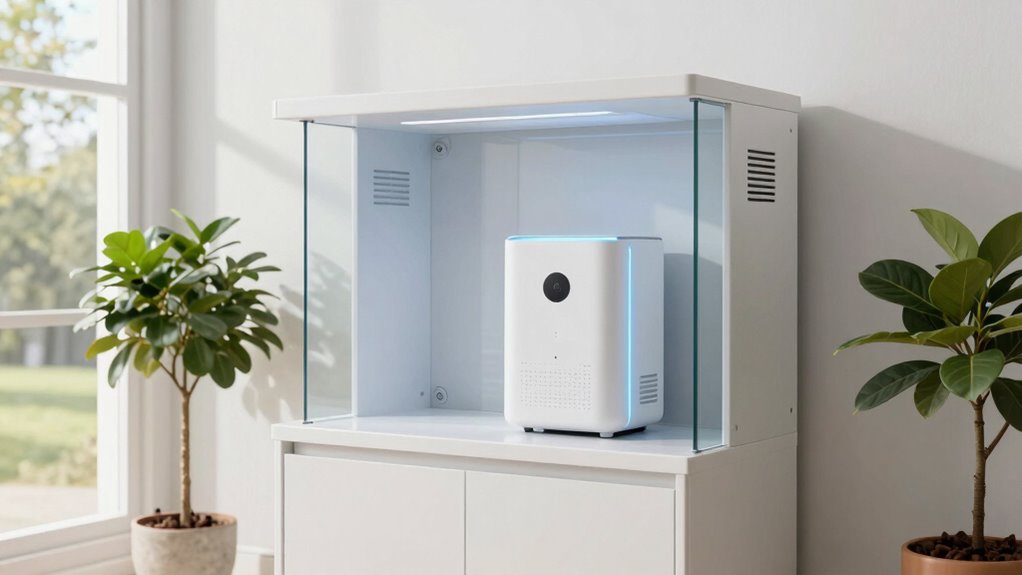
Are pollen spores invading your home every spring? If you find yourself sneezing, coughing, or experiencing itchy eyes whenever the season changes, it’s likely due to seasonal allergies. Pollen isn’t just a nuisance outdoors—it can also impact your indoor air quality, making your home uncomfortable and unhealthy. That’s where an entryway anti-pollen station becomes a game-changer. Building one isn’t complicated or expensive, and it can considerably reduce the amount of pollen that enters your living space.
An entryway anti-pollen station acts as a first line of defense, helping you remove pollen from your shoes, clothes, and even your pets before they carry it further inside. Think of it as a filter that intercepts pollen before it disperses into the main living areas. You don’t need to be a DIY expert to set one up; a few simple steps can make a big difference. Start by choosing a designated spot near your entrance—ideally a small table or bench where you can place shoes and outerwear. Adding a sturdy tray or mat with bristles can help scrape off pollen and dirt from your shoes. These mats are specifically designed to trap pollen particles, reducing what gets tracked inside. Incorporating proper maintenance routines ensures the effectiveness of your anti-pollen station over time.
Create a dedicated entryway spot with a bristle mat to trap pollen and keep your home cleaner.
Next, consider installing hooks or a rack for jackets, hats, and scarves. Pollen clings to fabrics, so removing these items immediately upon entering prevents allergens from spreading throughout your home. Keep a basket nearby for shoes, and encourage everyone in your household to remove them as soon as they step inside. You might also add a washable lint roller or a sticky roller for quick pollen removal from clothing. If you have pets, brushing them outside and wiping their paws before they enter can lessen pollen transfer even more. Additionally, using color management techniques to monitor and reduce indoor pollen levels can further improve air quality. Incorporating air purifiers with HEPA filters can also significantly decrease airborne pollen particles indoors. Understanding how indoor air quality impacts allergy symptoms can motivate you to take these preventative steps seriously.
As an affiliate, we earn on qualifying purchases.
Frequently Asked Questions
What Materials Are Best for Building an Anti-Pollen Station?
You should use sturdy materials like PVC or metal for your anti-pollen station, as they’re durable and easy to clean. Incorporate air filtration systems with HEPA filters to trap pollen effectively. Consider using washable filters or replaceable ones for ongoing maintenance. The key is choosing materials that withstand weather and frequent cleaning, ensuring your station remains effective and long-lasting in filtering out pollen and improving air quality at entry points.
How Much Does It Cost to Set up an Entryway Anti-Pollen Station?
Pondering the price of setting up your entryway anti-pollen station? You’ll find costs depend on the scale and sophistication, but generally, it’s quite affordable. For improved indoor air quality and effective pollen filtration, expect to spend around $200 to $1,000. You can customize your setup with basic filters or advanced air purifiers, making it budget-friendly while boosting your home’s health.
How Often Should the Station Be Cleaned and Maintained?
You should clean and maintain your anti-pollen station at least once a week, depending on pollen levels and usage. Follow a regular cleaning schedule to remove accumulated debris and pollen, using a damp cloth and mild cleaning solutions. Maintenance tips include checking filters and brushes monthly, replacing worn parts promptly, and making certain entry mats are clean. Consistent upkeep keeps your station effective and ensures a healthier environment for everyone entering.
Can I Customize the Anti-Pollen Station Design?
Ever wondered if you can customize your anti-pollen station? Absolutely! You have plenty of design flexibility and aesthetic options, allowing you to tailor it to your space and style. Whether you prefer a sleek modern look or something more inviting, customization is totally doable. You can choose colors, materials, and layout features that match your entryway’s vibe, making your anti-pollen station both functional and visually appealing.
Are There Any DIY Tutorials Available for Installation?
Yes, there are DIY tutorials available for installation. You’ll find step-by-step guides that walk you through the entire process, making DIY assembly straightforward. These tutorials often include videos and detailed instructions, so you can follow along easily. With a little patience and basic tools, you can assemble your anti-pollen station yourself, saving time and money while customizing it to fit your entryway perfectly.
As an affiliate, we earn on qualifying purchases.
Conclusion
Building an entryway anti-pollen station isn’t as complicated as it seems. By following simple steps, you can create a practical space to keep pollen at bay and enjoy fresher air indoors. Trust the theory that a small, dedicated area can substantially reduce pollen entry, making your home more comfortable during allergy season. With a little effort, you’ll find that managing allergies becomes easier, allowing you to breathe easier and enjoy your space more fully.
washable lint roller for clothes
As an affiliate, we earn on qualifying purchases.
As an affiliate, we earn on qualifying purchases.
As an affiliate, we earn on qualifying purchases.
NFL season / tailgating Picks
team gear
As an affiliate, we earn on qualifying purchases.