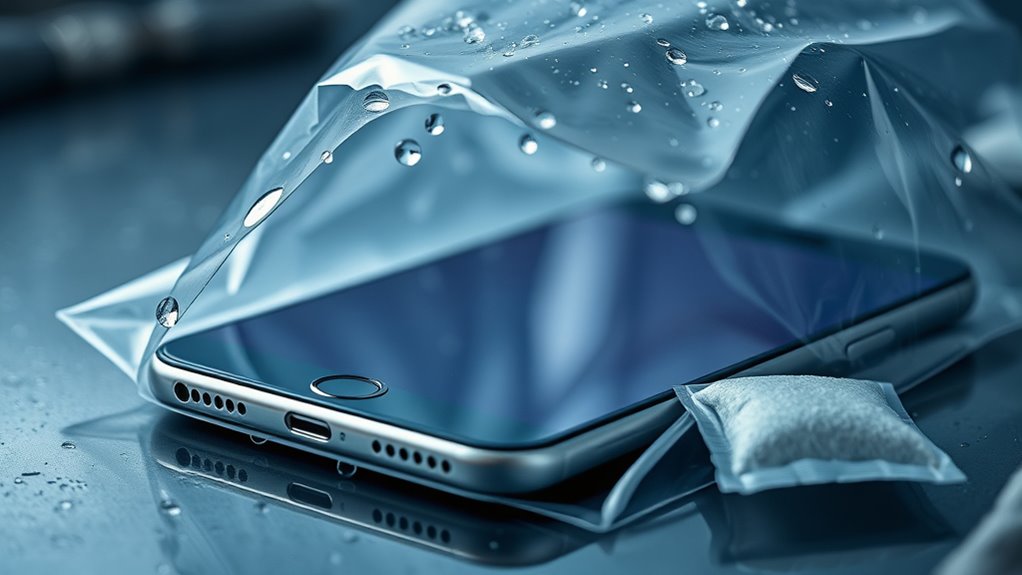

To protect your gadgets from moisture damage, keep humidity levels low using a dehumidifier and guarantee it’s well-maintained. Apply moisture-resistant coatings to sensitive electronics, especially if they’ll be used outdoors or in humid environments. Store your devices in climate-controlled spaces and inspect them regularly for signs of corrosion or moisture. Combining these steps helps extend your electronics’ lifespan and prevents costly failures. If you want to learn more, there’s valuable info to help you stay protected.
Key Takeaways
- Use dehumidifiers and maintain them regularly to reduce indoor moisture and prevent condensation around gadgets.
- Apply moisture-resistant coatings to electronics before exposure to humid environments for added protection.
- Store devices in climate-controlled areas with stable humidity levels to minimize moisture-related damage.
- Inspect gadgets regularly for signs of corrosion or moisture damage and address issues promptly.
- Combine proper dehumidifier maintenance and protective coatings to ensure comprehensive and long-term electronic protection.
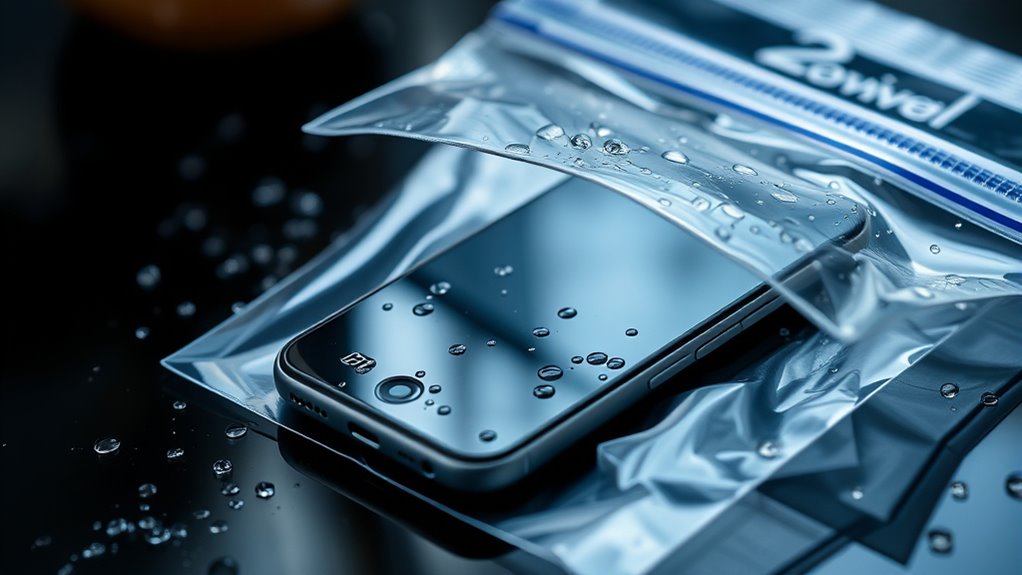
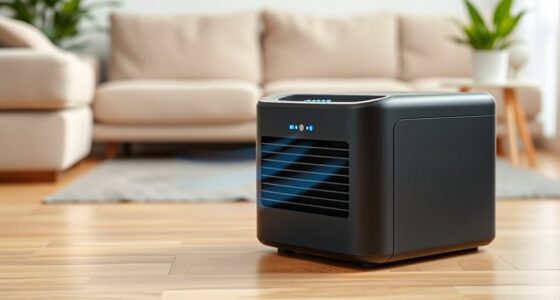
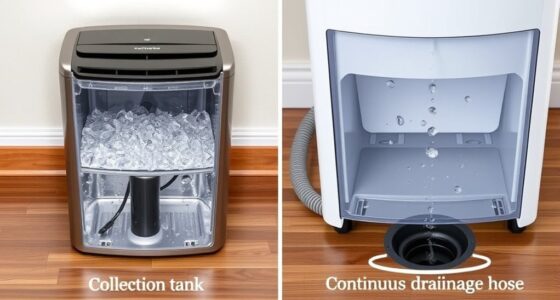
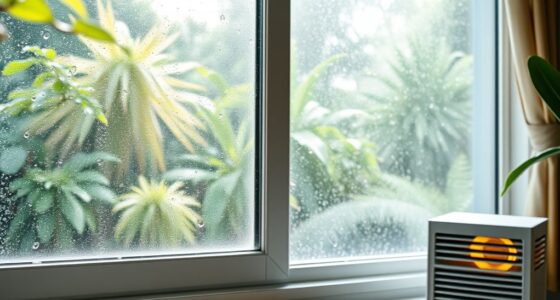
Have you ever wondered how humidity affects your electronic devices? High moisture levels can cause significant damage, leading to corrosion, short circuits, and even complete device failure. To protect your gadgets, understanding how to manage humidity is vital. One effective way is through proper dehumidifier maintenance. A well-maintained dehumidifier reduces indoor moisture, creating a dry environment that discourages condensation and corrosion. Regularly cleaning and replacing filters, checking for leaks, and ensuring the unit operates efficiently keep humidity levels in check. Keeping the air dry minimizes the risk of moisture buildup inside your devices, especially in areas prone to dampness or high humidity, like basements or areas near water sources.
Another essential aspect is applying moisture resistant coatings to sensitive electronic components. These coatings act as a barrier, preventing moisture from penetrating delicate circuitry. They’re especially useful for devices exposed to humid environments, such as outdoor equipment or industrial machinery. Using moisture resistant coatings isn’t just about applying a protective layer; it’s a proactive step to extend your devices’ lifespan. When you choose coatings designed specifically for electronics, you add an extra layer of defense against humidity-related damage. This can be particularly valuable if you work in environments where controlling humidity isn’t always feasible or during transportation, where devices are exposed to varying conditions. Additionally, creative problem-solving can help develop innovative solutions for humidity management in challenging environments.
Incorporating both dehumidifier maintenance and moisture resistant coatings into your routine creates a thorough approach to safeguarding your electronics. For instance, if you’re storing gadgets for an extended period, ensure the storage area is climate-controlled and the dehumidifier is functioning correctly. Applying moisture resistant coatings before storing or deploying devices in humid areas can drastically reduce the risk of corrosion and malfunction. It’s also wise to regularly inspect your devices for signs of moisture damage, such as corrosion or discoloration, and take immediate action if you notice any issues.
Ultimately, protecting your electronics from humidity isn’t a one-time effort—it’s an ongoing process. Maintaining your dehumidifier ensures consistent moisture control, while applying moisture resistant coatings provides long-term protection for critical components. Together, these steps help you avoid costly repairs, extend device longevity, and keep your gadgets functioning smoothly even in challenging environments. By staying vigilant and proactive about humidity management, you’re actively safeguarding your investment and ensuring your electronics stay reliable for years to come.
Frequently Asked Questions
Can Humidity Damage Electronic Batteries Over Time?
Yes, humidity can damage electronic batteries over time. Excess moisture ingress causes battery corrosion, which deteriorates internal components and reduces battery life. When you expose gadgets to humid environments, moisture can seep into the device, accelerating corrosion and potential failure. To protect your batteries, keep devices in dry places, use protective cases, and avoid prolonged exposure to high humidity, ensuring longer-lasting performance and preventing costly replacements.
What Are the Signs of Moisture Damage in Gadgets?
Imagine a tiny fog settling inside your device, leading to condensation formation. You might notice corrosion risks appearing as rust or discoloration on ports and connectors. Screens could flicker or display strange lines, and buttons may become unresponsive. Sometimes, your gadget simply stops working unexpectedly. These signs indicate moisture damage, which accelerates internal deterioration and risks long-term failure, so catching them early helps protect your electronics from irreversible harm.
How Does Humidity Affect Smartphone Screens Specifically?
Humidity causes your smartphone screens to suffer from moisture infiltration effects, leading to foggy displays and touch sensitivity issues. Increased humidity can induce corrosion on internal components, damaging the delicate circuits behind your screen. This corrosion results in pixel malfunctions or display failure over time. To prevent humidity-induced corrosion, keep your device in a dry environment and consider using silica gel packs or waterproof cases, especially in humid climates.
Are Certain Electronic Components More Vulnerable to Moisture?
Certain electronic components are more vulnerable to moisture, like the delicate circuit boards and connectors, which act as the Achilles’ heel of your gadgets. When water condensation occurs, these parts face an increased corrosion risk, threatening their longevity. You should pay extra attention to these vulnerable areas, ensuring proper sealing and moisture control. Protecting these critical components keeps your devices functioning smoothly and avoids costly repairs down the line.
What Are Long-Term Effects of High Humidity on Electronics?
High humidity can cause long-term damage to your electronics by increasing corrosion risks and encouraging mold growth. Over time, moisture buildup damages internal components, leading to degraded performance or complete failure. You might notice sluggish operation, strange odors, or visible mold. To prevent this, keep devices in dry environments, use silica gel packs, and regularly inspect for signs of moisture. Proper care extends your gadgets’ lifespan and maintains their functionality.
Conclusion
Remember, a stitch in time saves nine. Protecting your electronics from humidity isn’t just about avoiding costly repairs; it’s about preserving your gadgets for the long haul. Keep your devices dry, use proper storage, and stay vigilant during humid months. By taking these simple steps, you can prevent moisture damage and extend your electronics’ lifespan. Don’t wait until it’s too late—act now to keep your gadgets safe and functioning perfectly.